Technology
Cannibal Jellyfish Infestation Threatens Tourism Hotspot’s Waters
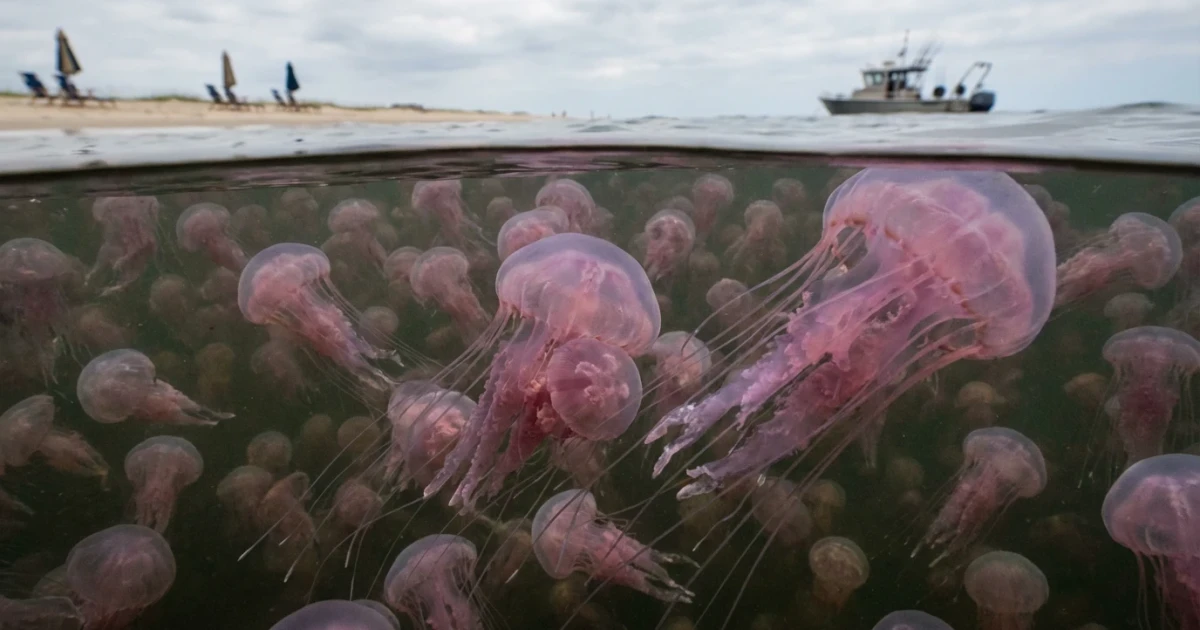
A sudden invasion of cannibal jellyfish has unsettled the waters around a renowned tourism hotspot, raising alarms among local authorities, marine biologists, and the tourism sector. The unexpected swarm has cast a shadow over the area’s reputation for safe, picturesque beaches and could pose significant risks to both marine life and the local economy.
What Is the Cannibal Jellyfish?
The species, commonly referred to as the cannibal jellyfish, is notorious for its aggressive behavior and propensity to feed on its own kind. This predatory instinct makes the species uniquely disruptive to local marine ecosystems, as their presence often leads to a rapid decline in other jellyfish populations and can have ripple effects across the food chain.
Impact on Local Tourism
The appearance of these jellyfish comes at a critical time, as the region gears up for its peak tourist season. The area’s beaches are a magnet for visitors seeking sun, sand, and water sports. However, the influx of jellyfish has prompted authorities to issue warnings, and some beaches have already restricted swimming to minimize the risk of stings. Such measures, while necessary for public safety, threaten to dampen tourist enthusiasm and reduce visitor numbers, potentially affecting local businesses reliant on seasonal tourism revenue.
- Public safety warnings have been issued for popular beaches.
- Some swimming areas are temporarily closed or have increased lifeguard presence.
- Tour operators are monitoring the situation and adjusting activities as needed.
Environmental Concerns
Beyond the immediate threat to swimmers, marine experts are closely tracking the ecological consequences of the jellyfish surge. Cannibal jellyfish are known to disrupt local food webs, outcompeting other gelatinous species and preying on both smaller jellyfish and fish larvae. Such dramatic shifts can destabilize marine biodiversity and have long-term effects on fisheries and native wildlife.
Possible Causes and Responses
While the exact cause of this sudden influx remains under investigation, scientists suggest that unusual ocean currents, rising sea temperatures, and changing salinity levels may have contributed to the migration of the cannibal jellyfish into these waters. Local authorities are collaborating with marine biologists to monitor the situation and explore mitigation strategies, such as deploying protective nets and increasing public awareness campaigns.
What’s Next for the Region?
As the region confronts this environmental challenge, officials urge caution and vigilance. The long-term impact on tourism and the marine ecosystem will depend on how quickly the jellyfish population can be managed and whether normal conditions return. In the meantime, travelers are advised to heed local advisories and stay informed about water safety measures.
For ongoing updates, visitors and residents can check local government bulletins and marine safety alerts. The situation serves as a stark reminder of the complex relationship between environmental changes and human activity in coastal regions.