World
Cannot verify Sheffield Press story, source notes missing
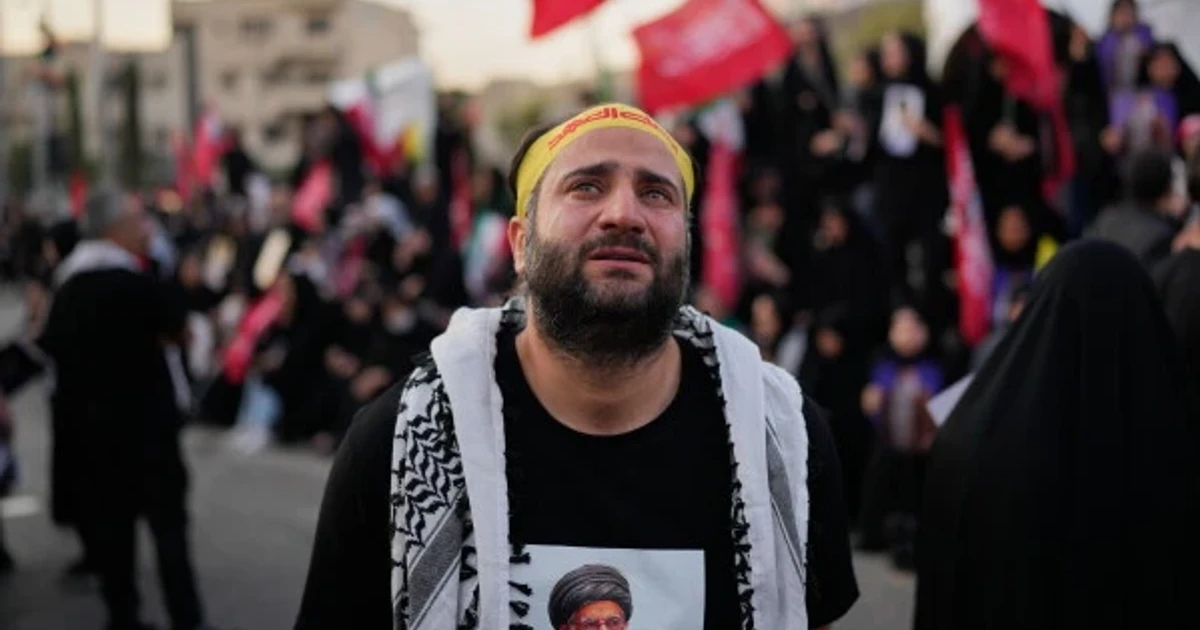
Tehran’s streets filled with black-clad mourners for Ayatollah Ali Khamenei’s funeral, as Iran turned it into a week of mourning and a tightly managed display of loyalty, grief and state power. The body lay in state at the Imam Khomeini Grand Mosalla, where clerics, officials, foreign dignitaries and other mourners paid their respects inside a hall built for major religious and state occasions.
The ceremony had been delayed for months after Khamenei was killed on Feb. 28 in Israeli and U.S. airstrikes, and the burial had initially been set for March before being pushed into July as the war dragged on. The planned route stretched from Tehran to Qom, then to Najaf and Karbala in Iraq, before final burial in Mashhad, one of Iran’s holiest pilgrim cities.
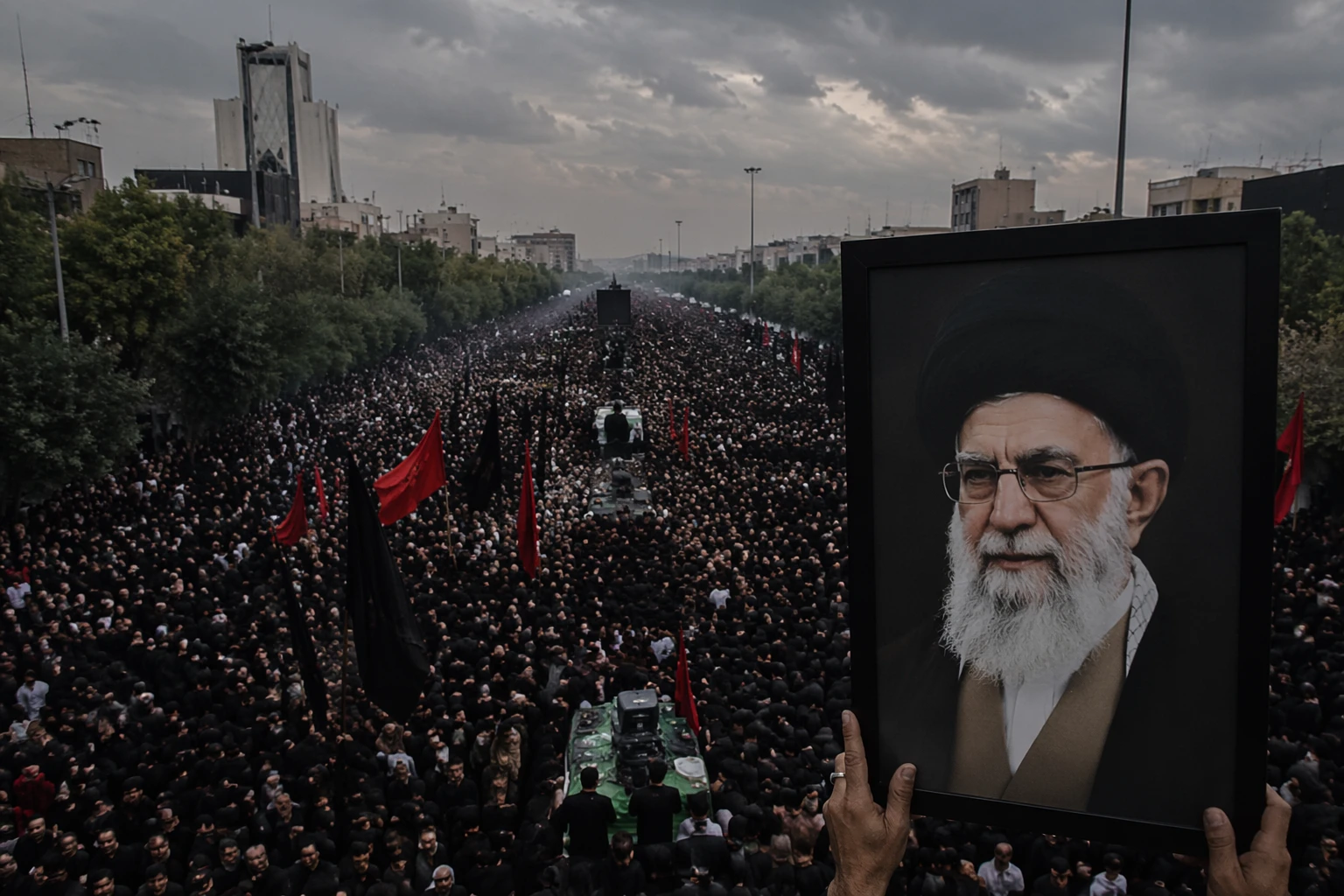
Iran’s ruling clerics framed the rites as proof that the Islamic Republic could still command devotion. Qom Friday prayer leader Ayatollah Mohammad Saidi said, “The large public turnout at the funeral procession of the martyred leader and the other martyrs will, in effect, be another referendum for the Islamic Republic,” and authorities tried to engineer that result by offering transport, accommodation and food to bring millions into the streets.
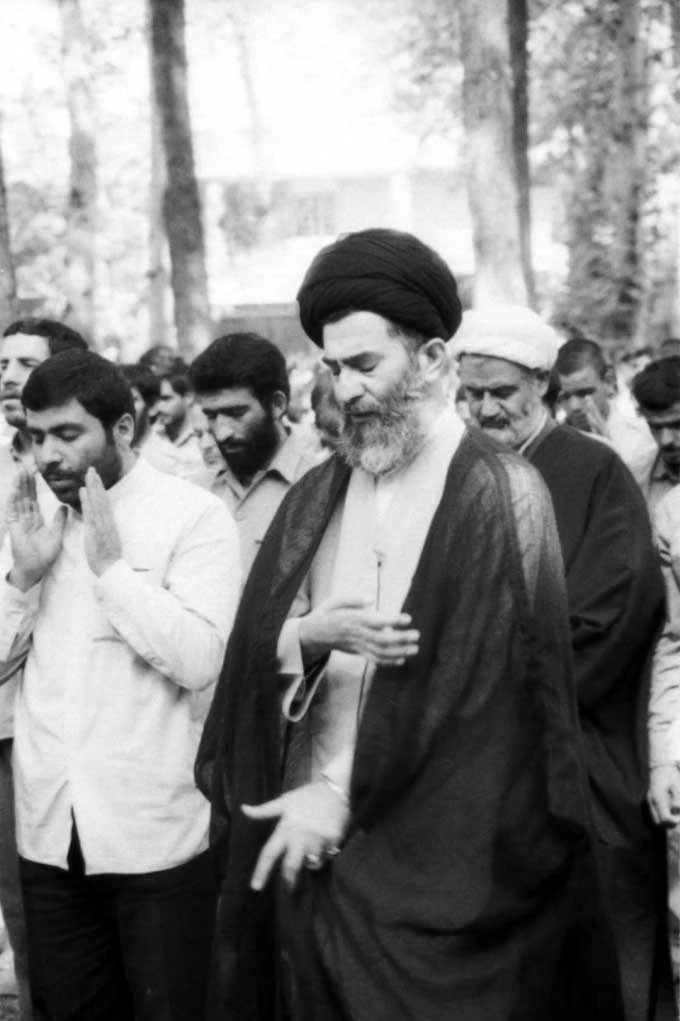
Military and police vehicles lined Tehran’s major roads, with police and black-shirted Basij volunteers patrolling on motorbikes, while red and black pennants and large banners filled the streets.
Sources
- [1]nytimes.com