US News
Cape May refuge protects migratory birds along New Jersey coast
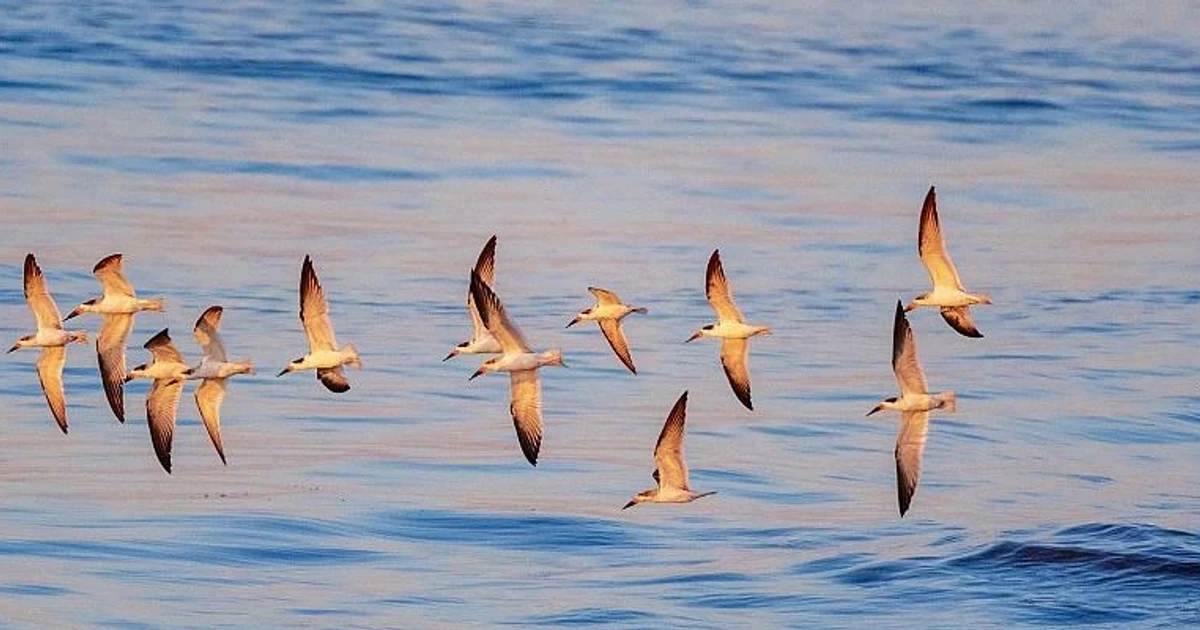
At the southern tip of New Jersey, Cape May National Wildlife Refuge protects a narrow stretch of coast that migratory birds need and people use in equal measure. Established in 1989, it now spans three units, supports 317 bird species, and sits on one of the Atlantic Flyway’s most important stopovers. The same beaches and dunes that draw summer visitors also shelter nesting shorebirds, making Cape May a clear view of how conservation, recreation and coastal change collide on the American shoreline.
A refuge built for the flyway
Cape May National Wildlife Refuge was created to protect critical habitat for migratory birds and other wildlife, and its scale reaches well beyond a single beach. The refuge includes the Two Mile Beach Unit, the Delaware Bay Division and the Great Cedar Swamp Division, a mix of shoreline, bayfront and forested wetland habitat that supports 42 mammal species, 55 reptile and amphibian species, and numerous fish, shellfish and other invertebrates.
The refuge’s standing in bird conservation is unusually deep. It has been designated a Flagship Project of the North American Waterfowl Management Plan, identified as an Important Bird Area, included in the Western Hemisphere Shorebird Reserve Network and recognized as a Delaware Bay Wetland of International Importance. Those labels matter because Cape May is not just a scenic stop on the map. It is part of a continent-spanning migration system that depends on a chain of safe feeding and resting places.
Where access and protection meet
The refuge is open year-round and free to the public, with hiking, fishing, birding, hunting and photography all part of the experience. That public access is a major reason the refuge serves as both habitat and classroom, giving visitors a direct look at dune systems, marshes and the bird movements that follow them each season.
Protection, however, is not uniform across the shoreline. The Two Mile Beach beach area is closed from April 1 through September 30 each year to protect nesting and migrating shorebirds, although trails remain open. That seasonal closure reflects the refuge’s central challenge: keeping people close enough to care about the landscape, while keeping the most sensitive habitat quiet enough for birds to breed and refuel.
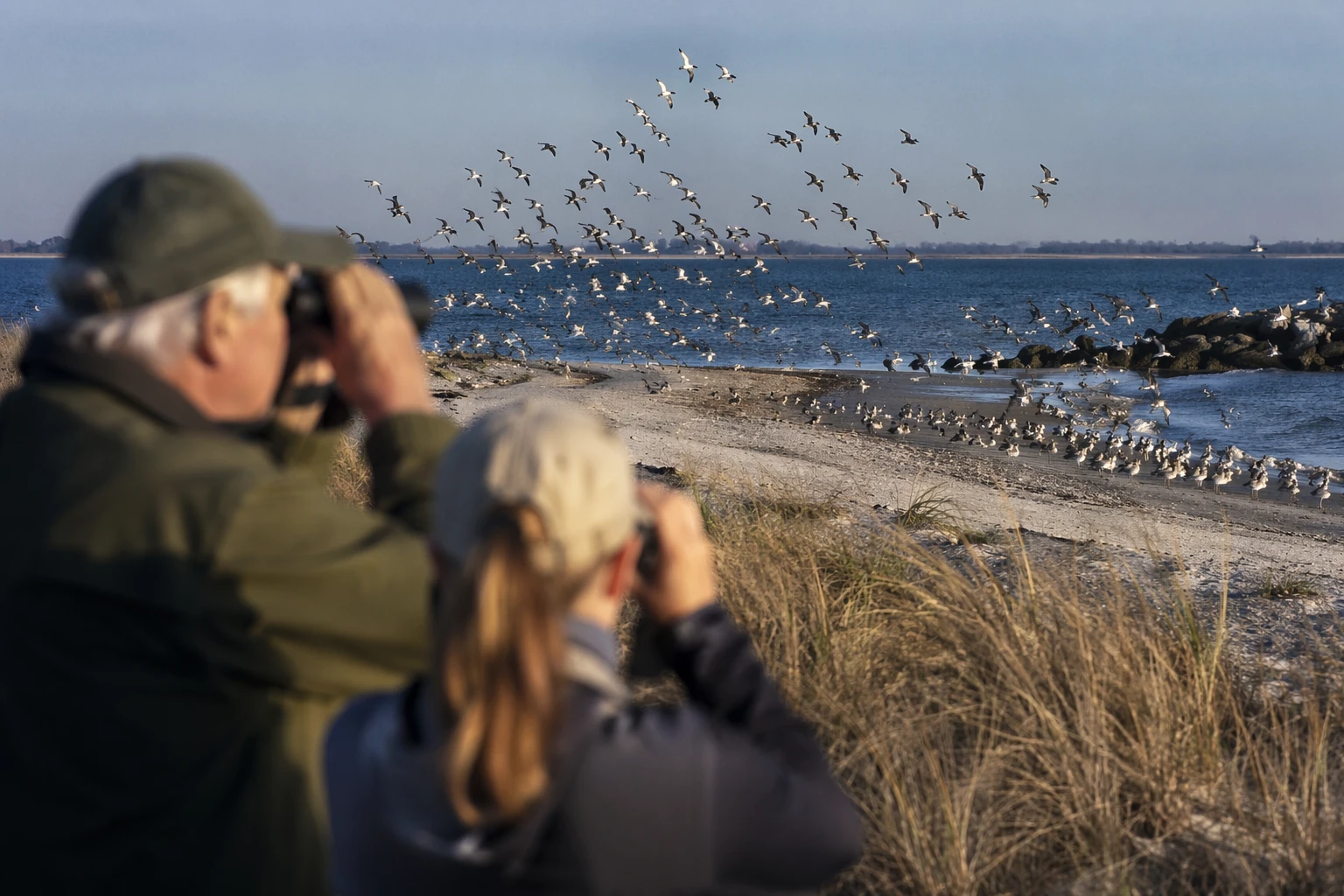
The refuge also has an economic dimension. The Fish and Wildlife Service says about 145,000 people annually contribute to the local tourism economy by visiting the refuge, a reminder that conservation on this coast is tied to more than ecology. It supports birding, surf fishing and other off-season activity that can spread visitors beyond the peak beach months.
Why Delaware Bay is such a critical staging ground
The Delaware Bay shoreline at Cape May is one of the most important shorebird staging areas in North America. Each spring, hundreds of thousands of shorebirds stop there, and the Fish and Wildlife Service says the bay is second only to Alaska’s Copper River Delta as a staging area on the continent. That concentration of birds makes the shoreline a high-value link in a migration network that cannot afford weak stops.
The threatened rufa red knot is one of the best-known examples. New Jersey environmental officials note that red knots stop in Delaware Bay each year to feed on horseshoe crab eggs before continuing to their Arctic breeding grounds. That relationship, between a migrating bird and a food source concentrated on a single stretch of bay shoreline, is why habitat protection in Cape May has consequences far beyond New Jersey.
Beach-nesting birds face a different set of pressures. Piping plovers, American oystercatchers and least terns are vulnerable to predators, flooding and human disturbance, which makes open sand and intact dunes especially valuable. In New Jersey, that vulnerability is showing up in the numbers: the state’s 2025 piping plover report recorded 76 pairs statewide, the lowest total since intensive monitoring began in 1987.
Cape May County accounted for 13 of those pairs statewide. Cape May National Wildlife Refuge had 3 piping plover pairs in 2025, down from 4 in 2024, and the state report says that refuge count now includes both the Coast Guard-LSU property and the Two Mile Beach Unit because of the January 2025 land transfer.
What the 2025 land transfer changed
That transfer added 532 acres from the U.S. Coast Guard to the refuge and brought about 0.75 miles of Atlantic beachfront under the refuge’s protection. The added land includes intact dunes and maritime forest habitat, and the Fish and Wildlife Service said it protects some of the last remaining undeveloped beach and dune habitat in the area.
That matters in a place where development pressure is never far away. Preserving undeveloped dunes is not only about keeping a landscape pretty for visitors. It is about maintaining habitat that birds can use now, and keeping a natural buffer in place as storms, flooding and coastal erosion place more stress on the edge of the continent.
The transfer also points to how conservation can shape use, not just restriction. The service said the added acreage could expand off-season recreation such as birding and surf fishing, bringing more public use to a shore already woven into the local tourism economy. At South Cape May Meadows, The Nature Conservancy has used fences, decoys and sound systems to improve shorebird nesting success, another sign that successful coastal management here often depends on active, hands-on protection rather than passive preservation.
Cape May’s importance comes down to a simple fact: this refuge protects the kinds of places that migratory birds cannot replace, even as the coast around them changes. On a shoreline measured in dunes, eggs, nesting pairs and staging flocks, the case for conservation is written in the numbers.
Sources
- [1]cbsnews.com
- [2]fws.gov
- [3]dep.nj.gov
- [4]nature.org