World
Capybaras wander into Brazilian legislature, highlighting urban wildlife clash

Capybaras strolled through the front door of the Mato Grosso Legislative Assembly in Cuiabá, turning a vote-ready chamber into an unlikely wildlife corridor. Staffer Nayara Bueno filmed the visit on July 30, 2026, as lawmakers prepared to meet in a building that sits next to a park filled with wildlife.
The scene was memorable because capybaras are not stray pests but the world’s largest rodents, native to South America and increasingly at home in Brazilian cities. The legislature said its voting sessions had increasingly been invaded by capybaras, a sign that the encounter was not isolated but part of a recurring clash between urban development and the habitat these animals now use to move, feed, and rest.
Cuiabá’s case reflects a wider Brazilian pattern. A 2025 SciELO study described the capybara, Hydrochoerus hydrochaeris, as having an outstanding capacity to colonize urban environments, and used Curitiba, a city known worldwide for urban planning, as a key example of that adaptation. In cities where riverbanks, green corridors, and park edges cut through dense neighborhoods, capybaras can move from water to pavement with little warning, especially when development presses hard against natural floodplains and open space.
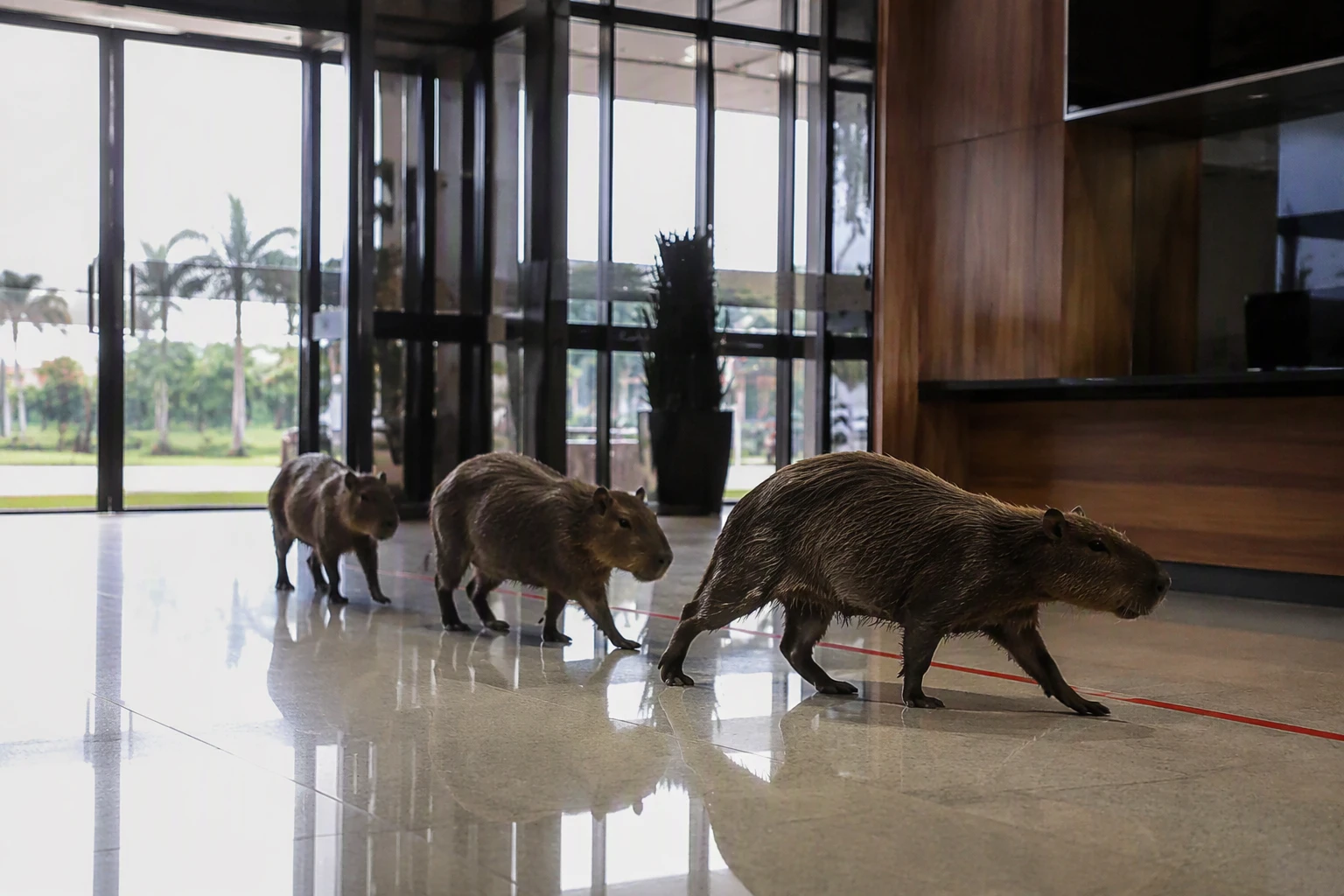
That creates a practical challenge for local officials. Legislative staff and building managers have to decide how to clear animals from chambers or entrances without injuring them, alarming the public, or interrupting government business. In a 2025 report, one Brazilian city was described as betting on research rather than removal as capybaras multiplied in urban areas, an approach that reflects the growing sense that coexistence may be more realistic than simple eviction.
The policy questions reach beyond nuisance control. A 2025 Frontiers in Conservation Science article said protecting urban wildlife in Brazil requires confronting zoonoses and biophobia, while a PubMed Central review on capybaras in cities said coexistence and management strategies carry animal-welfare implications. That puts municipal governments in the position of balancing public safety, environmental management, and humane treatment at the same time.
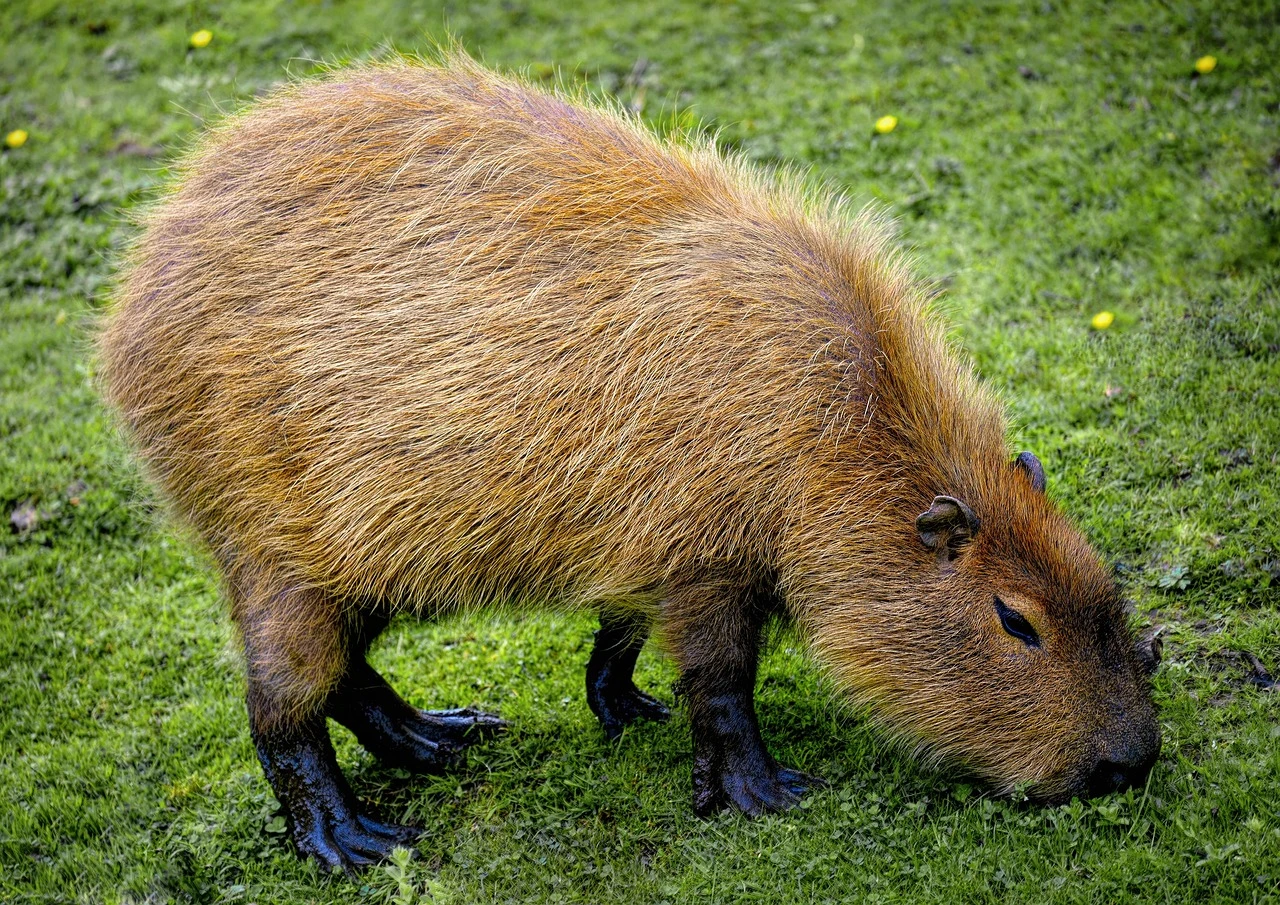
The capybaras in Cuiabá made that balancing act visible inside the legislature itself. In a city where a park borders the assembly building, the line between civic space and wildlife habitat has become thin enough for the animals to cross it in full view of lawmakers.
Sources
- [1]apnews.com
- [2]thehour.com
- [3]wgnradio.com
- [4]scielo.br
- [5]courthousenews.com
- [6]pmc.ncbi.nlm.nih.gov
- [7]frontiersin.org
- [8]usnews.com