World
Cardiff caretaker tracks down fly-tipper and returns rubbish to his door
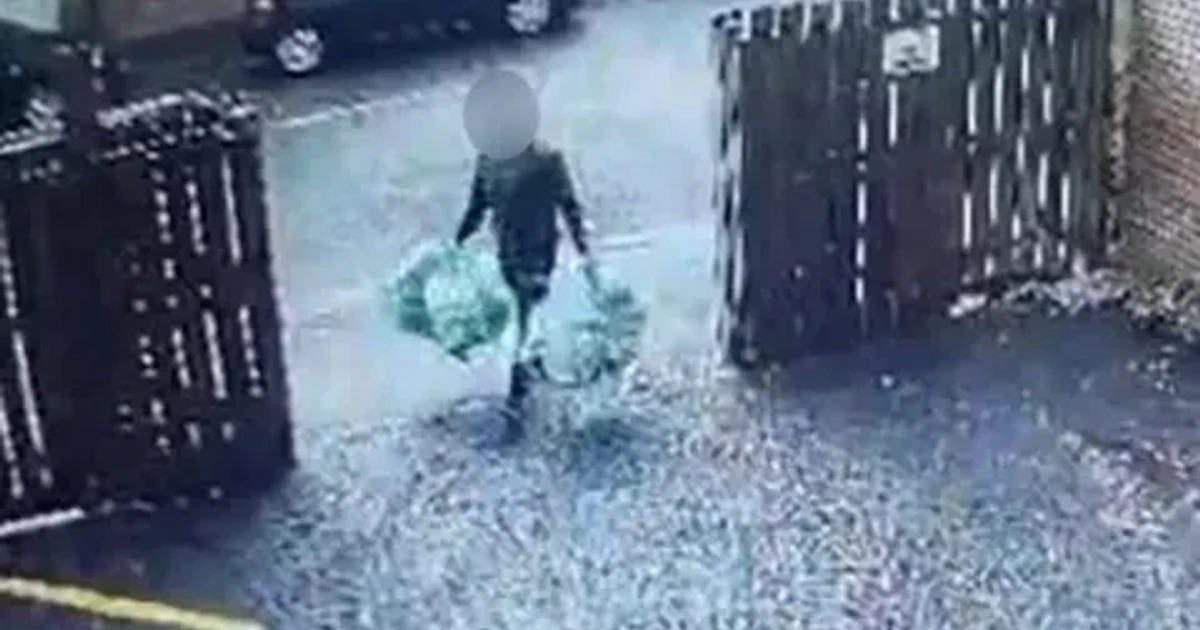
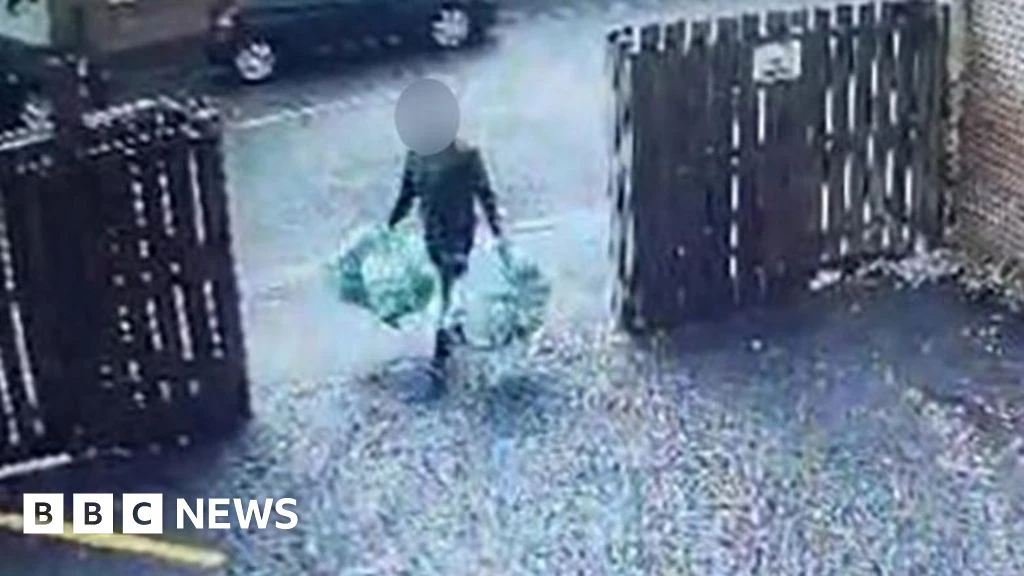
A Cardiff caretaker turned detective after seven sacks of household waste were dumped outside the block of flats he manages, then hauled the rubbish back to the offender’s doorstep. Dean Gauci, 38, spent hours checking CCTV, identified the man responsible by about 9am on Friday 12 June 2026 and, with neighbours confirming the offender lived on the same street, rang the doorbell with the waste in hand.
The confrontation ended with an apology after Gauci showed the footage, but the episode landed because it exposed a larger problem: ordinary residents are increasingly forced to do the work that should fall to enforcement. Fly-tipping has become a stubborn civic-order issue across Wales, where official figures recorded 48,367 incidents in 2024-25, a 14.7% rise on the previous year.
Those numbers amount to about 133 incidents a day. Welsh Government and Natural Resources Wales also said enforcement activity reached a six-year high, with more than 1,500 fixed penalty notices issued across Wales. The figures show that enforcement has not been absent, but the scale of offending continues to outpace the deterrent effect many communities expect from it.
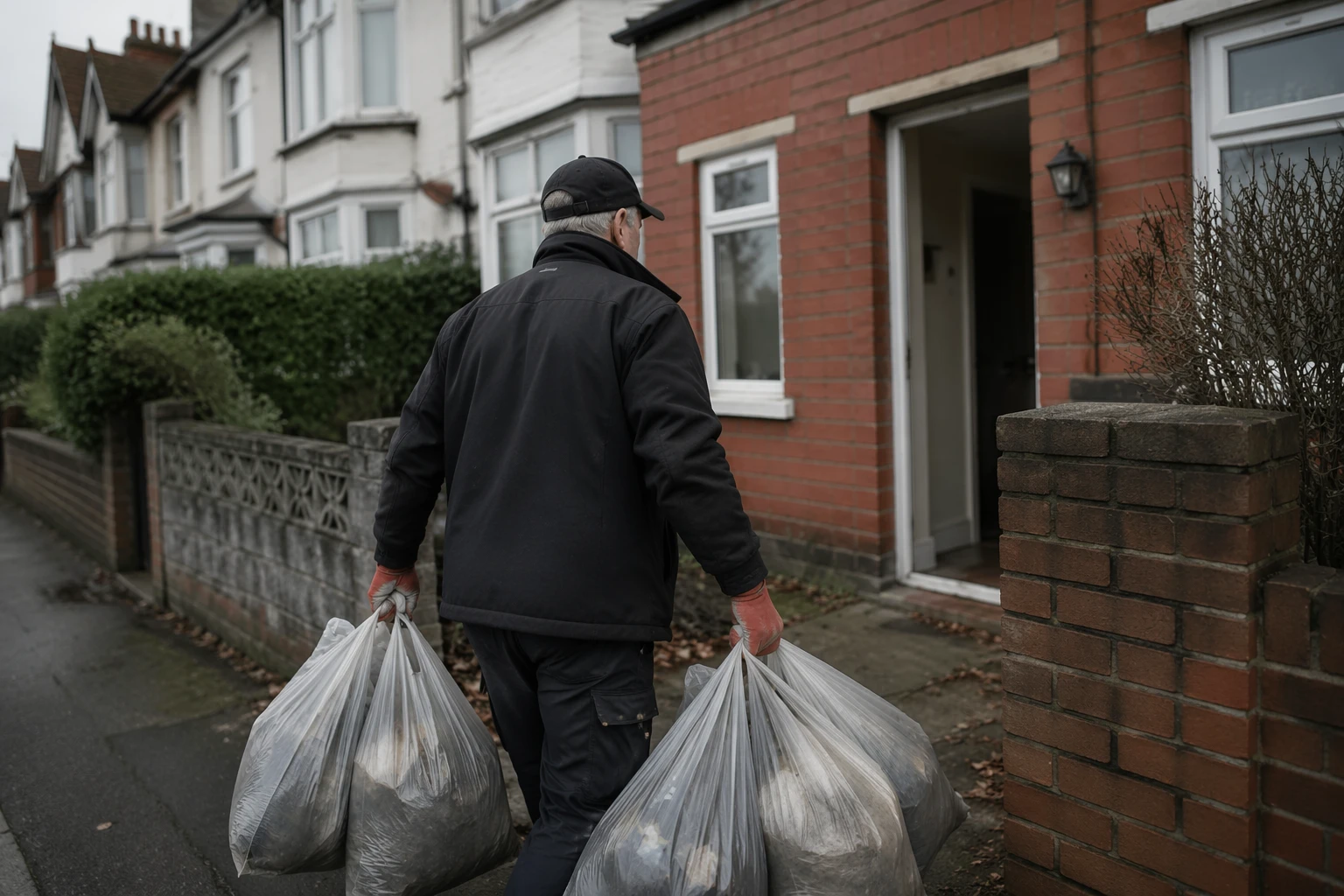
Gauci’s response resonated because it was immediate, local and visible. He did not wait for a complaint to work its way through a system that many residents regard as slow or remote. Instead, he used CCTV, neighbourhood knowledge and a direct doorstep confrontation to force an answer from the person who dumped the waste.
Cardiff Council publishes fly-tipping data through its open-data portal, underscoring that the city has a long-running record of complaints and incidents rather than a one-off flare-up. That local transparency matters, but it also highlights the gap between reporting and resolution: residents can see the problem quantified while still watching it accumulate on their streets.
The Cardiff case sits within a wider national pattern in which residents increasingly feel compelled to police environmental disorder themselves. In that sense, the story is not just about one returned load of rubbish. It is about the credibility of cleanup, the speed of enforcement and whether formal systems are doing enough to prevent people from taking matters into their own hands.
Sources
- [1]bbc.com
- [2]discover.swns.com
- [3]yahoo.com
- [4]naturalresourceswales.gov.uk
- [5]gov.wales
- [6]foi.cardiff.gov.uk
- [7]thestar.co.uk