World
Carney and Marcos seek deeper Canada-Philippines ties beyond US reliance

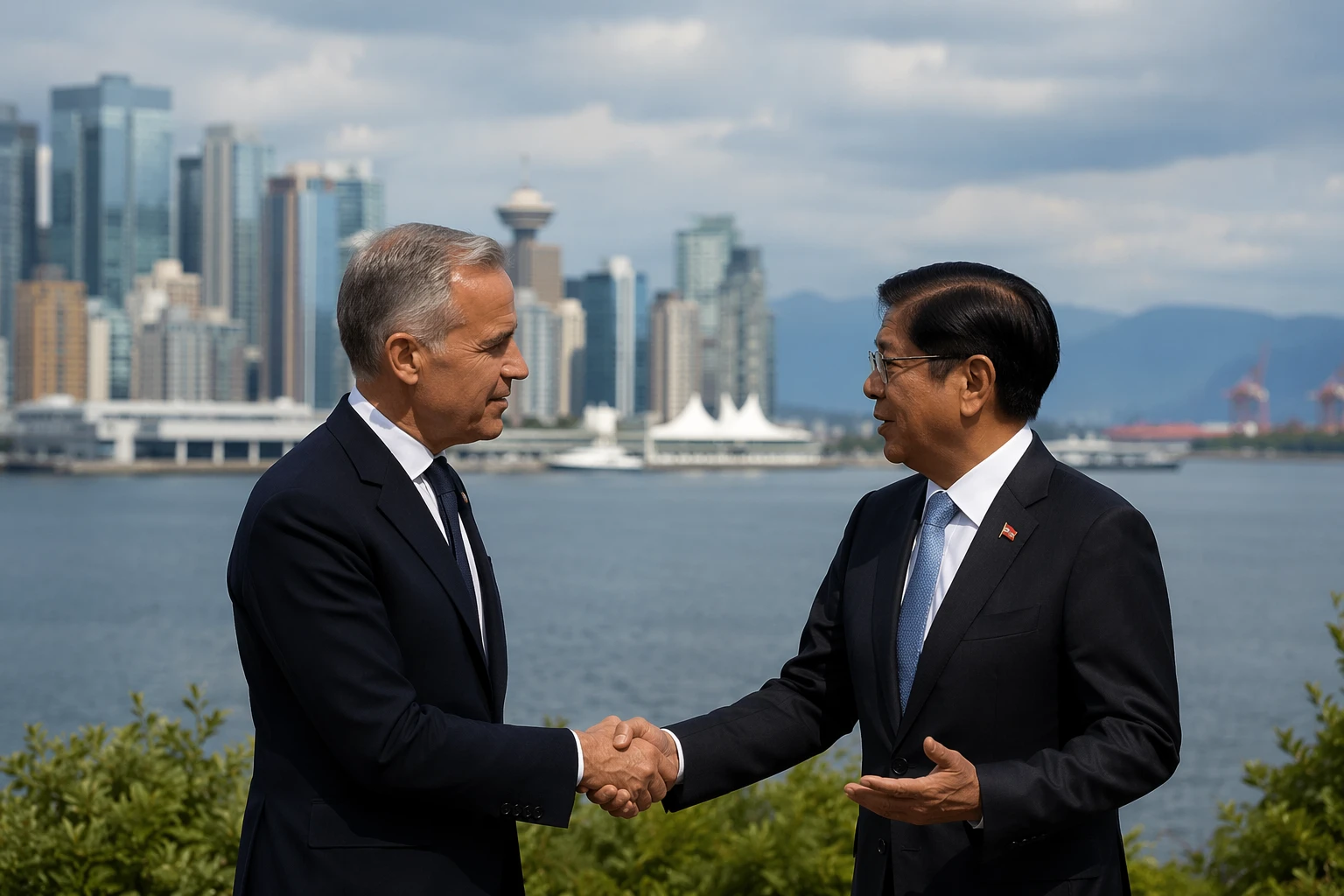
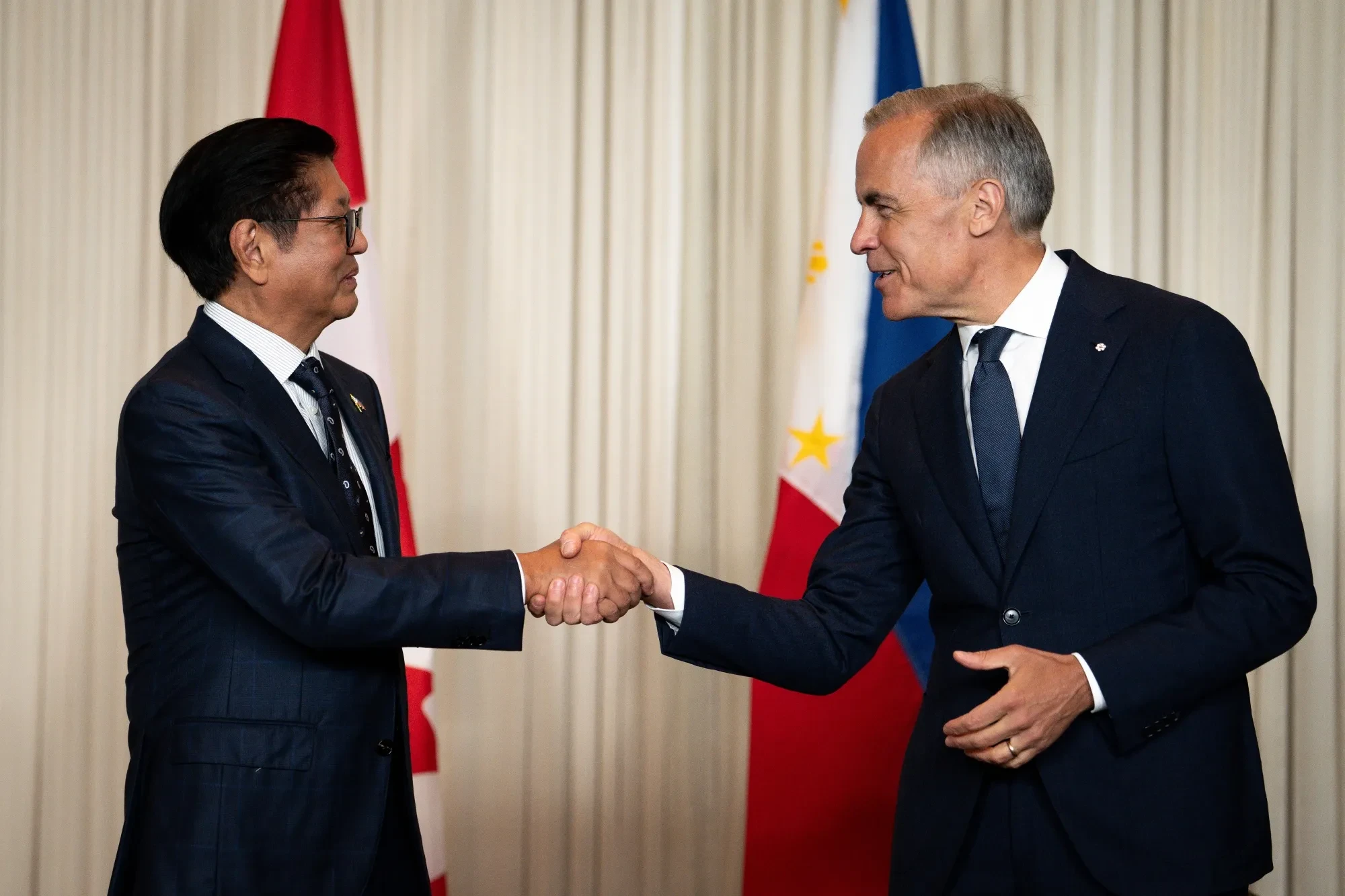
Mark Carney and Ferdinand Marcos Jr. turned the first visit by a Philippine president to Canada in 11 years into a push for a broader strategic partnership, signing agreements in Vancouver on energy, natural resources, labour and tourism. The two leaders also elevated the relationship to a strategic partnership as Canada and the Philippines looked to build trade, security and energy links across the Indo-Pacific.
Global Affairs Canada put bilateral merchandise trade at $3.2 billion in 2024, including $1.4 billion in Canadian exports and $1.8 billion in imports from the Philippines. Canadian investment in the Philippines stood at $844 million, while Philippine investment in Canada was $48 million. Carney wants to double Canadian exports to non-U.S. markets over the next decade, and he is pressing ahead with broader talks with the Association of Southeast Asian Nations while aiming to conclude a Canada-Philippines free trade agreement alongside that wider push.
In Manila in May, trade minister Maninder Sidhu reaffirmed Ottawa’s commitment to finish both the ASEAN-Canada and Canada-Philippines free trade agreements in 2026. Ottawa announced a C$2 million contribution tied to the Luzon Economic Corridor Partnership. Canada has also accepted an invitation to join the Luzon Economic Corridor Partnership with the United States and Japan.
Canada and the Philippines signed a Status of Visiting Forces Agreement in November 2025, then the Canadian Armed Forces’ first active participation in Exercise Balikatan ran from April 20 to May 8, 2026. In June, the two countries signed a Mutual Logistics Support Arrangement and a Statement of Intent on Strengthening Defence Cooperation, ahead of the 10th anniversary of the July 12 South China Sea arbitral ruling.
Statistics Canada put the number of people in Canada who identified as Filipino in the 2021 census at more than 957,000, making Filipinos 2.6% of the population and the fourth-largest racialized group in the country. It put the number of people in Canada born in the Philippines at 757,410, making the Philippines the third-largest source country for immigration to Canada after India and China. Canada has provided more than $1 billion in official development assistance to the Philippines since 1986, opened an Indo-Pacific Agriculture and Agri-Food Office in Manila in February 2024 and set up an Export Development Canada representative office there in late 2024. Public consultations on a possible trade deal found broad support but also concerns over the Philippines’ environment, labour and human-rights record.
Sources
- [1]abcnews.com
- [2]canada.ca
- [3]international.gc.ca
- [4]statcan.gc.ca
- [5]international.canada.ca