Business
Carney Bets Big on Electric Vehicles Amidst Turmoil in Canada’s Auto Sector
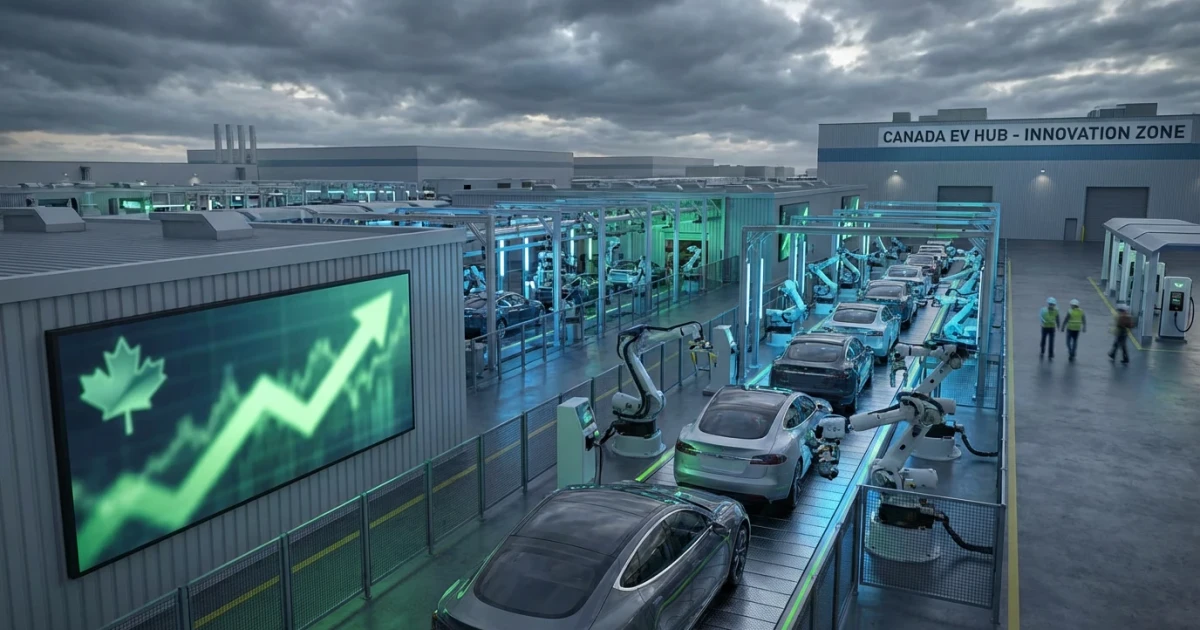
Canada’s auto industry faces a crossroads as former Bank of England governor Mark Carney ramps up investments in electric vehicles (E.V.s), responding to mounting disruptions caused by the United States’ increasingly protectionist trade stance under former President Donald Trump. With economic uncertainty clouding the sector, industry leaders and policymakers are betting on electrification as a path forward.
Trump’s Trade Policy Jolts Canadian Auto Manufacturing
Recent shifts in U.S. trade policy have upended long-standing supply chains and rattled Canadian automakers. The Trump administration’s tariffs and new trade barriers have particularly impacted factories in Ontario—often referred to as Canada’s car capital—where thousands of jobs depend on seamless cross-border trade. Industry analysts note that these disruptions have forced automakers to rethink production strategies, with some companies considering downsizing or relocating operations to the United States.
- Ontario remains the epicenter of Canada’s auto manufacturing, employing tens of thousands of workers in assembly plants and parts factories.
- Trump’s approach has increased costs for Canadian manufacturers and undermined the reliability of the North American supply chain.
Carney’s Bold Push for Electric Vehicles
Amid this volatile backdrop, Mark Carney has accelerated investment in E.V. production across Canada. Carney, a prominent figure in both global finance and climate advocacy, is channeling resources into next-generation vehicle plants and battery manufacturing facilities. These investments are seen as crucial to maintaining Canada’s competitiveness in the evolving auto landscape, where electric vehicles are projected to dominate future sales.
- Carney’s initiatives include partnerships with global automakers and technology firms to establish Canadian E.V. supply chains.
- The investments are focused on both vehicle assembly and the procurement of critical minerals used in batteries.
Government Incentives: Rebates Over Mandates
In a notable policy shift, Canada’s federal and provincial governments are embracing E.V. rebates as the preferred method to spur consumer adoption, moving away from previously debated sales mandates. This approach has garnered widespread approval in Ontario’s manufacturing communities, where stakeholders argue that incentives are more effective and less punitive than regulatory requirements.
- Rebates aim to make E.V.s more accessible to everyday Canadians, helping offset higher upfront costs compared to gasoline-powered vehicles.
- Manufacturers and unions have largely supported the move, seeing it as a way to stimulate demand without constraining production flexibility.
Looking Ahead: A New Direction for Canada’s Auto Industry
As the sector navigates the twin challenges of U.S. trade disruptions and the global transition to electric vehicles, Carney’s investments and the government’s focus on rebates may chart a sustainable path forward. The ultimate success of these strategies will depend on Canada’s ability to attract further E.V. investment, secure supply chains for critical minerals, and maintain strong ties with American automakers.
While uncertainties remain, the current pivot toward electrification—backed by both industry and government—is widely seen as the best hope for preserving jobs and keeping Canada at the forefront of automotive innovation.