Politics
Carney says US and Canada share climate duty amid wildfire smoke dispute
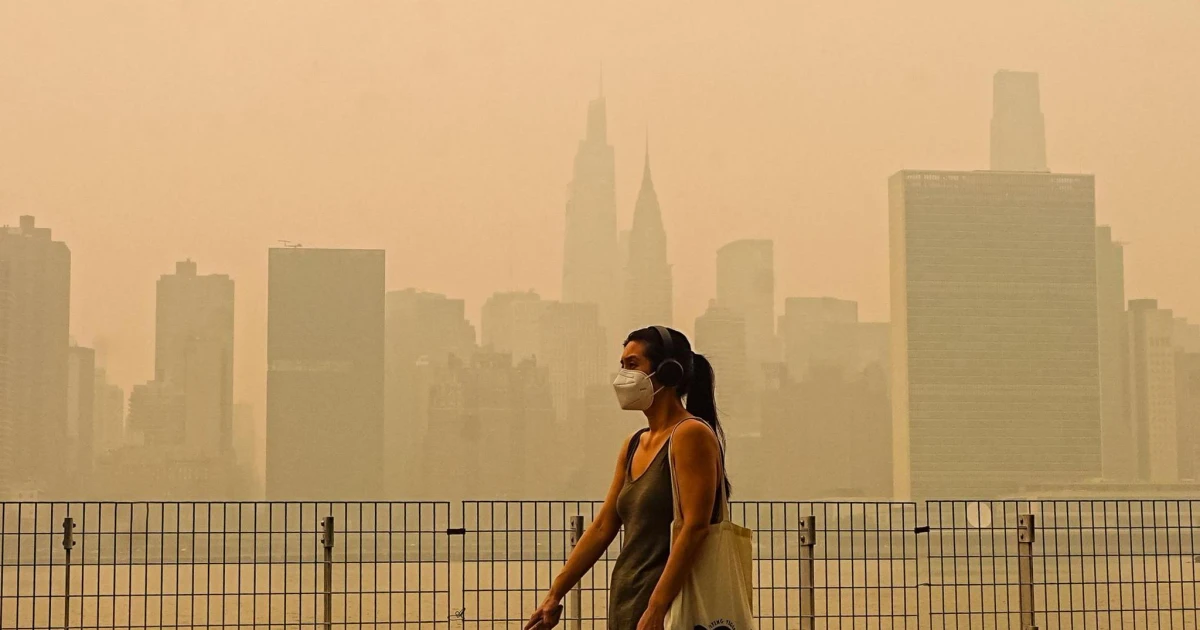
Donald Trump threatened to raise tariffs on Canada after wildfire smoke from Ontario and other Canadian fires drifted into the United States, calling the country an invasion of "filthy air" and accusing it of "willful negligence." The tariff threat landed as smoke again spread across a wide swath of the US, turning a climate and emergency-management problem into a trade fight.
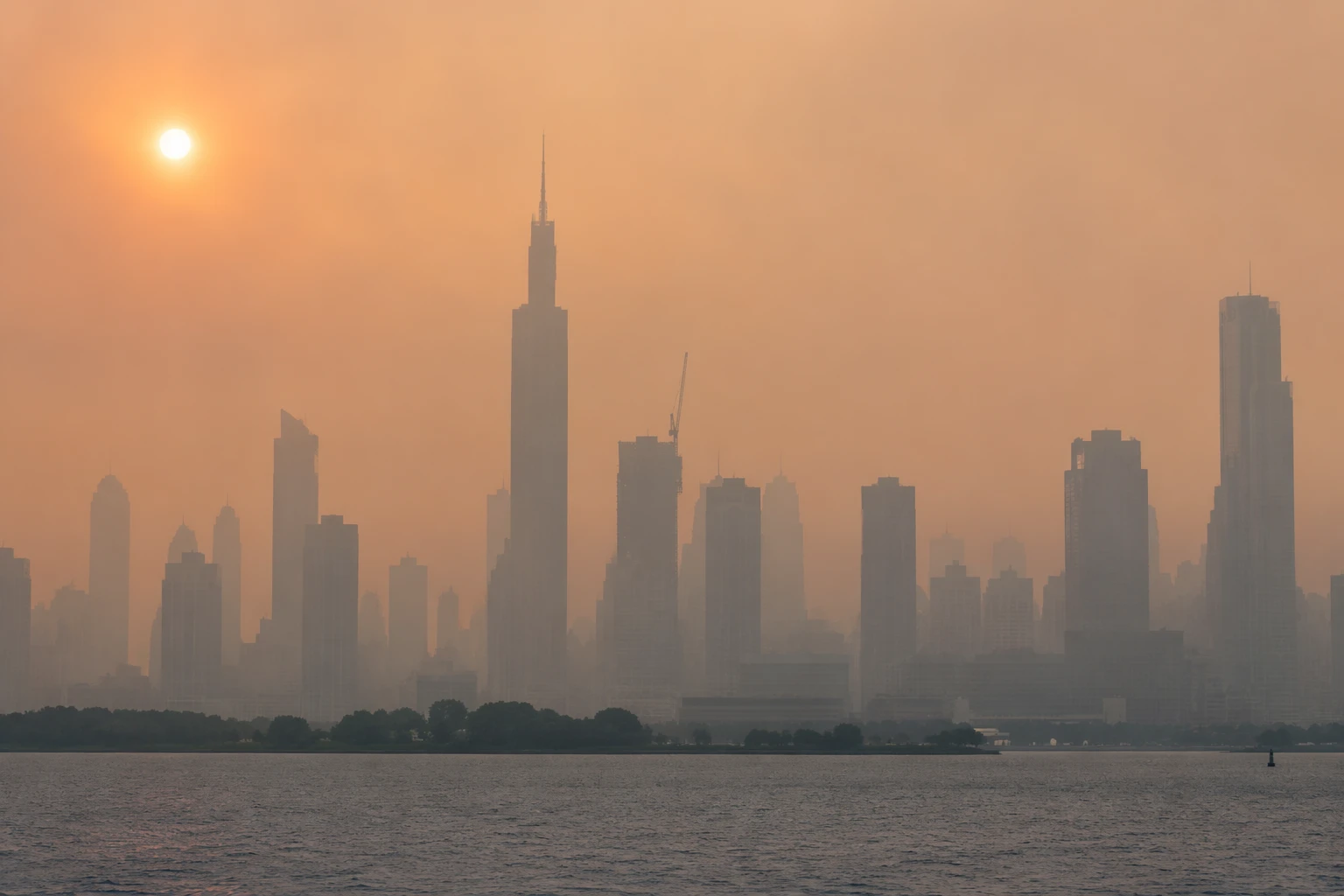
Air-quality warnings stretched across the Midwest and East Coast, with dangerous conditions reported in Chicago, New York and Minneapolis. Haze also hung over landmarks including the U.S. Capitol and the New York skyline, underscoring how quickly Canadian fire smoke can cross the border and affect major American population centers.
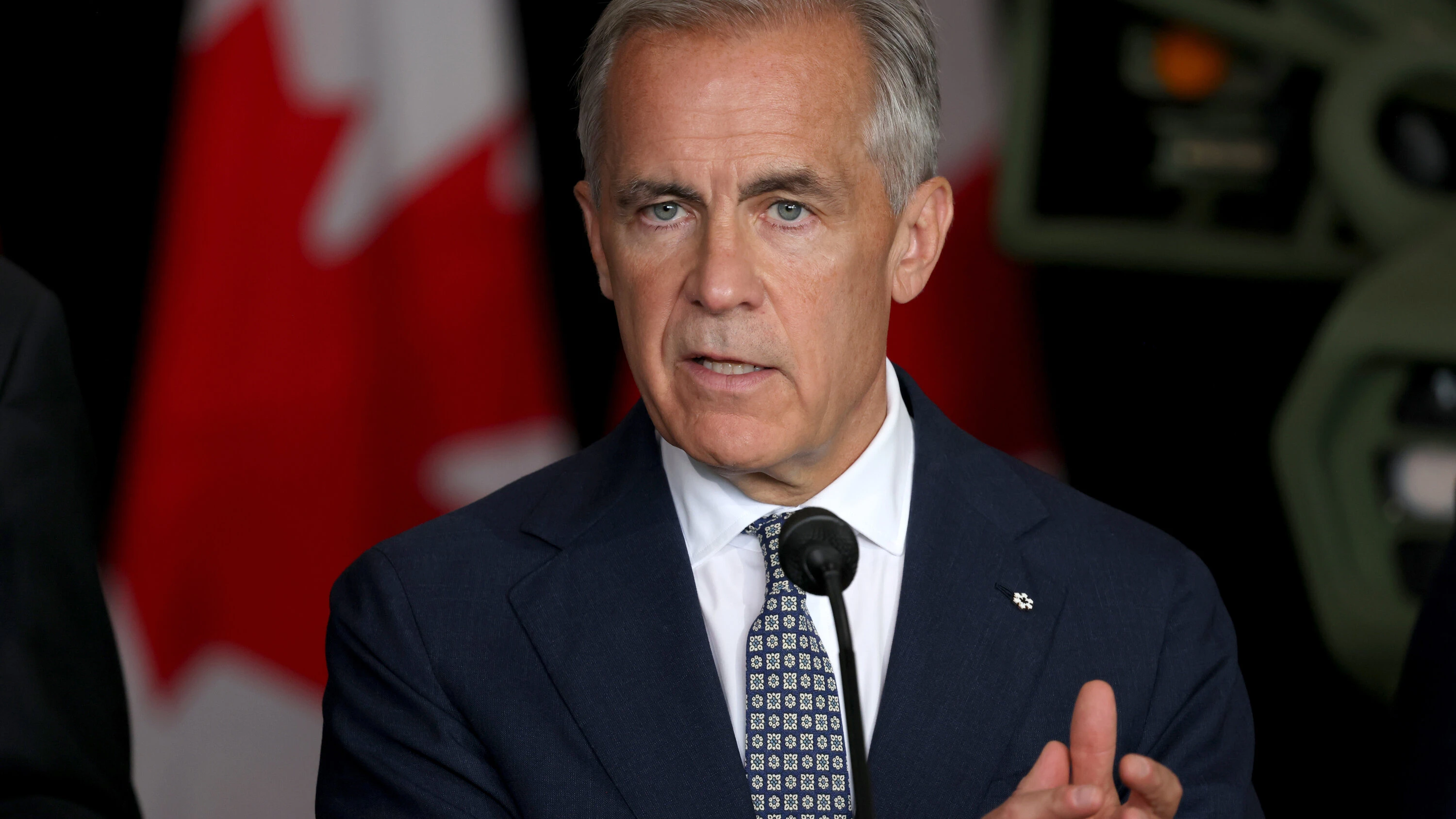
Mark Carney said Canada and the United States share an equal responsibility to confront climate change, a position that fits the science and the policy record. Canadian government material says climate change is driving shifts in fire weather and wildfire behavior, and the pressure on Carney has also come from home, where his climate plan has faced pushback from oil companies. The dispute has sharpened a basic mismatch: tariffs can punish imports, but they do little to stop hotter, drier conditions that are making fires harder to control.
The political blame game was already building before Trump’s tariff threat. Four Republican members of Congress had accused Canada of not doing enough to stop wildfire smoke from drifting south, and Ontario Premier Doug Ford answered by telling the United States to "send help rather than complain." His response reflected a longstanding operational reality. The United States and Canada first established a wildland fire cooperation agreement in 1982, and in June 2025 the U.S. National Interagency Fire Center mobilized federal firefighting personnel to help suppress fires in Manitoba, Saskatchewan, British Columbia and Alberta.
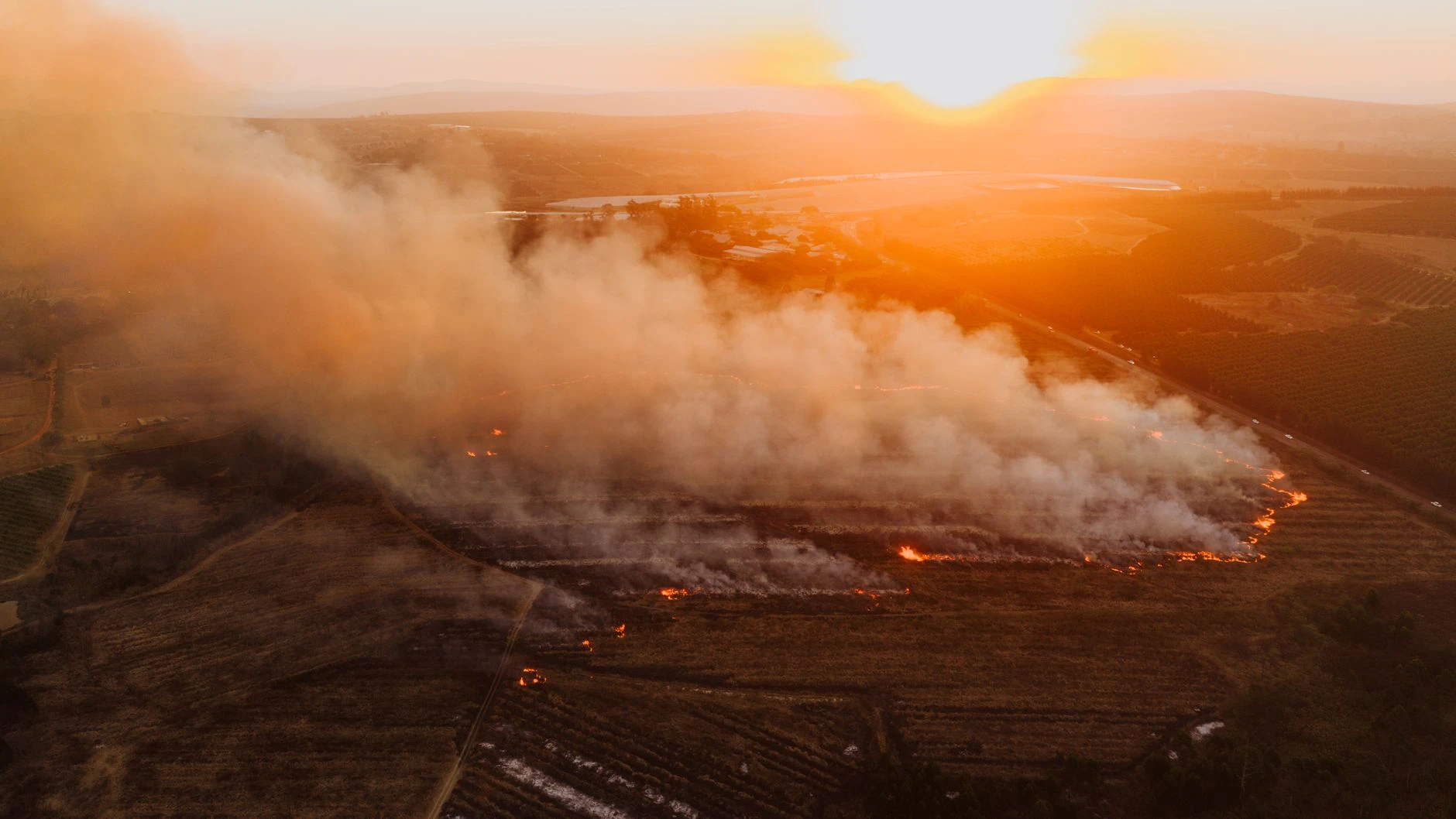
Ontario is also buying 11 new aircraft to help fight fires, a sign of how costly and persistent the problem has become for provincial governments. That investment, along with cross-border fire support, points to the more practical tools available to both countries: firefighting capacity, joint emergency planning and climate policy aimed at the conditions feeding larger, smokier fire seasons.
Sources
- [1]bbc.co.uk
- [2]reuters.com
- [3]nifc.gov
- [4]bbc.com
- [5]natural-resources.canada.ca
- [6]aljazeera.com