Business
Carney’s trade pivot runs into Canada’s U.S. market dependence
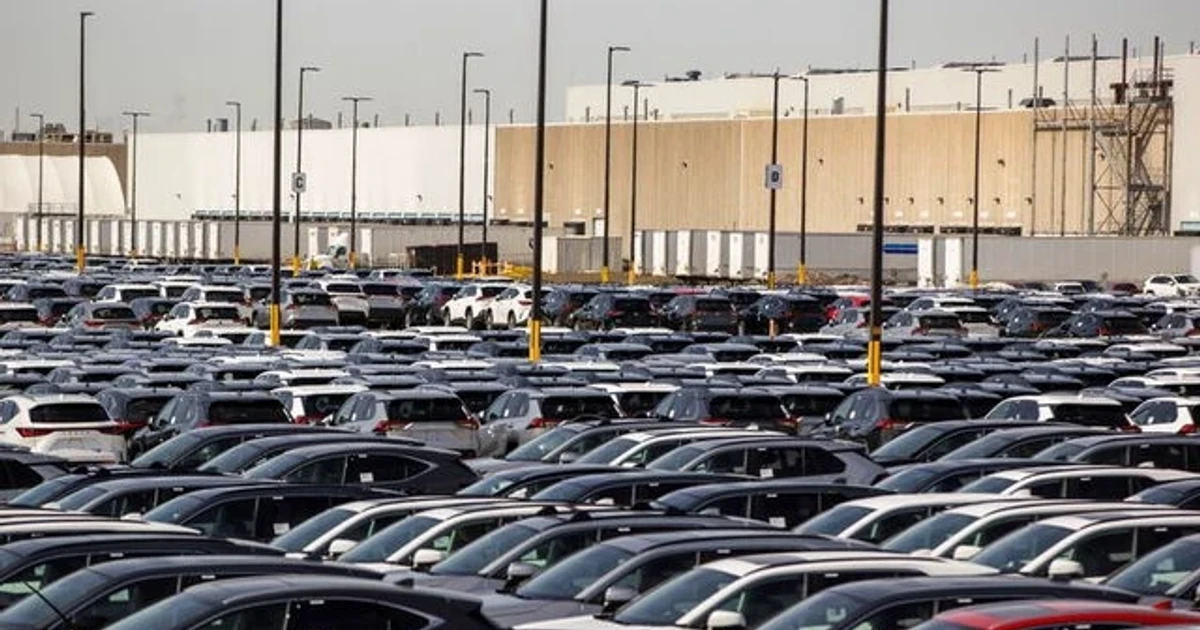
Mark Carney is pitching a harder-edged Canadian trade strategy, but the pitch keeps running into the same wall: for most potential partners, access to the United States still matters more than Canada alone. Ottawa can promise a wider horizon, yet the country’s export machine remains built around a market just across the border, where more than 85% of Canada-U.S. bilateral trade is still tariff-free.
That dependence is clearest in the numbers. Canada’s 2025 State of Trade report says trade accounts for about two-thirds of GDP, and exports support nearly 4 million jobs. Another trade data source based on UN Comtrade put Canada’s 2025 goods exports to the United States at about US$408.99 billion. Those flows explain why supply chains, geography and long-standing commercial ties make it difficult for any government to unwind the relationship in a meaningful way, even as tariffs and protectionist rhetoric have made North America less predictable.
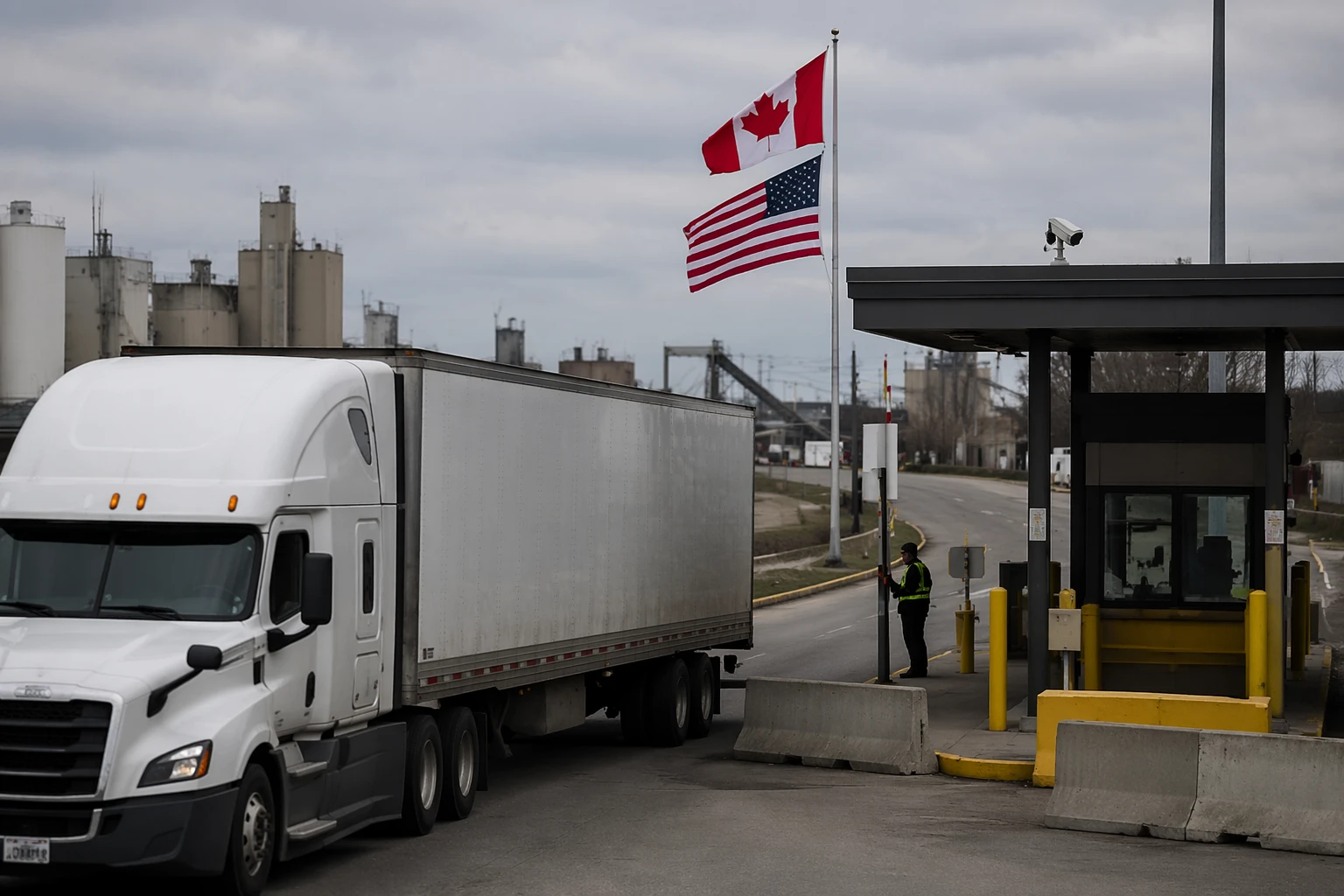
Carney has tried to widen Canada’s options quickly. Since his April 2025 election victory, his team has led four trade missions, including two to Asia, in search of investment for mining, engineering and infrastructure. A fifth mission, the largest so far, is scheduled for Japan later this month. The outreach fits his broader argument that Canada should work with a group of mid-sized economic powers less exposed to Donald Trump’s increasingly protectionist United States. But for many countries, the real attraction is not simply Canada as a market. It is Canada as a gateway to the U.S.-Mexico-Canada Agreement, and therefore to tariff-free access to the world’s largest consumer economy.
That is why the timing matters. The first USMCA joint review is scheduled for July 1, 2026, after the Office of the United States Trade Representative opened a consultation process and held a public hearing on November 17, 2025. Carney has used that access as a selling point, even as he pushes to double non-U.S. exports over the next decade. Bloomberg reported in May 2026 that non-U.S. goods exports were up about 36% since 2024, but that progress has been helped by strong commodity prices, underscoring how fragile diversification can be when resource markets are doing part of the work.
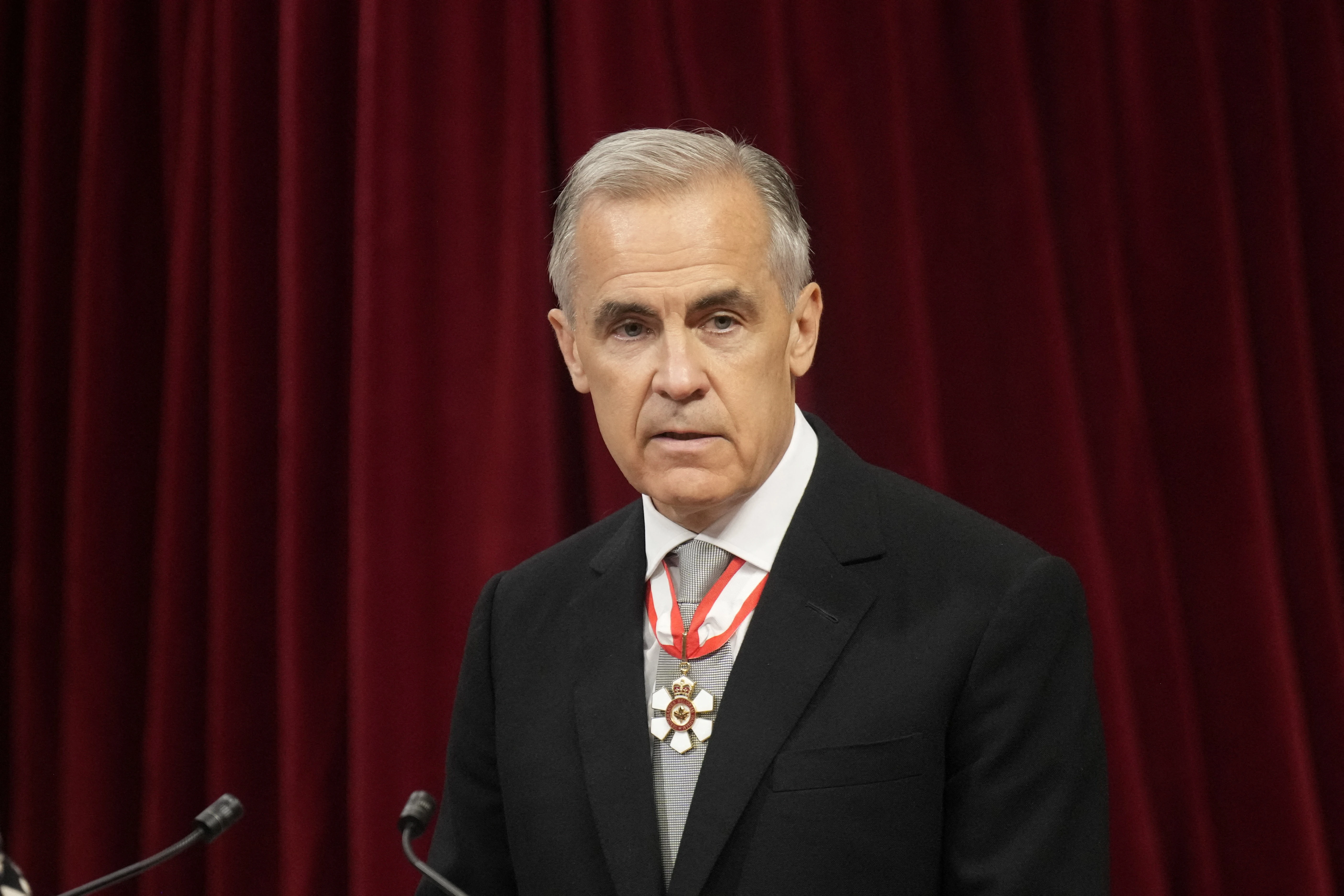
Japan shows both the ambition and the limits of the strategy. On March 6, 2026, Carney and Prime Minister Takaichi Sanae signed a Comprehensive Strategic Partnership in Tokyo covering defence, economic security, energy, technology and trade. Global Affairs Canada later said the June 2026 Team Canada trade mission to Japan was a commitment flowing from that visit. It is a real opening for Ottawa, but not a clean break. Canada can widen its options in Asia and elsewhere; it cannot easily replace the pull of the U.S. market that still underpins its trade model.