Entertainment
Carrington’s Psychiatric Confinement Painting Debuts
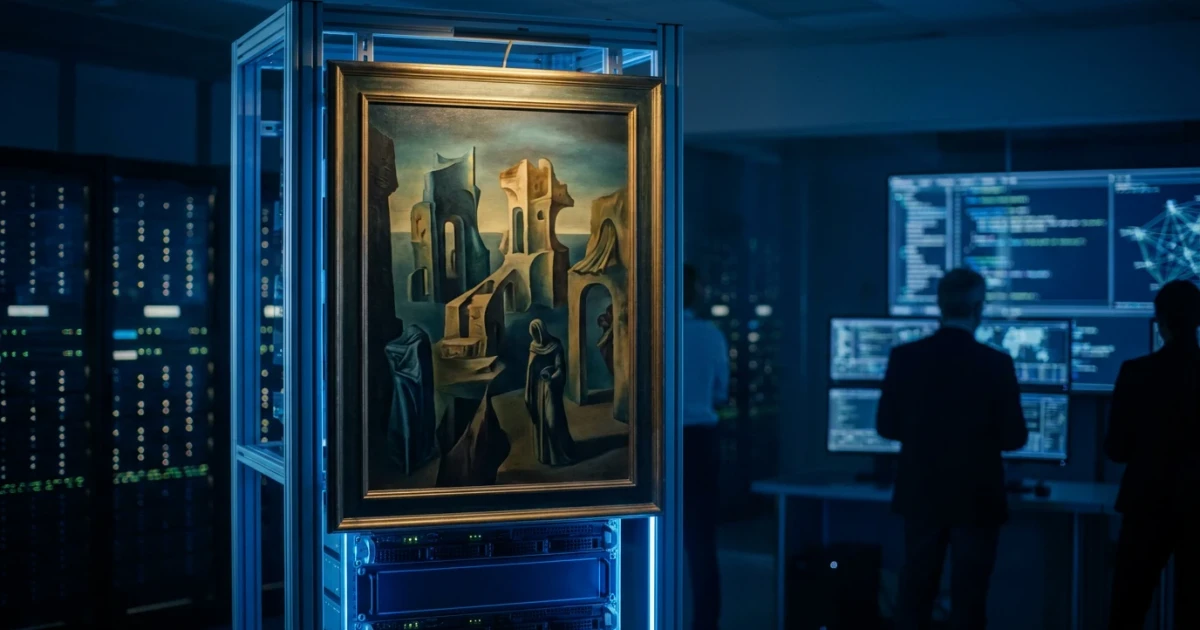
Leonora Carrington, renowned for her Surrealist paintings and literary works, will see one of her rare pieces created during psychiatric confinement exhibited publicly for the first time. The announcement, reported by The Guardian, draws renewed attention to a pivotal period in Carrington’s life and artistic career, highlighting her resilience and the enduring impact of her work.
Artwork From a Turbulent Chapter
Painted during Carrington’s psychiatric confinement, the soon-to-be-exhibited piece is emblematic of her deeply personal and transformative experiences. Carrington’s confinement followed the traumatic events of World War II and the arrest of her partner, Max Ernst. Her autobiographical text ‘Down Below’ provides a firsthand account of her ordeal, offering readers a glimpse into her mental health struggles and the creative process that emerged amid adversity.
Understanding Carrington’s Surrealist Legacy
- Carrington’s works are housed in major collections, such as the Museum of Modern Art, Tate, and the Metropolitan Museum of Art.
- The piece being shown is unique due to its context; works from her time in psychiatric care are exceedingly rare and have been subject to scholarly analysis, such as in Tate’s Modern Women Artists research series.
- Her biography, as documented in the Getty Union List of Artist Names, chronicles her British-Mexican heritage, her relationship with Ernst, and her significant contributions to Surrealism.
Exhibition Context and Significance
The Guardian’s report underscores the importance of this exhibition, marking the first time this particular painting will be accessible to the public. The artwork’s provenance, including its creation under psychiatric confinement, adds historical and emotional weight. Carrington’s experience during this period informed not only her visual art but also her written works, blending surreal imagery with autobiographical narrative.
According to the British Museum collection database, Carrington’s oeuvre is characterized by fantastical scenes, mythological references, and an exploration of identity, madness, and transformation. The newly exhibited painting is expected to reflect these themes, offering viewers a direct connection to her lived experience.
Broader Impact on Surrealist Scholarship
- Scholars have long debated the interplay between Carrington’s mental health and her creative output, with recent research focusing on the period of confinement as a critical turning point.
- The painting’s public debut is anticipated to spark further discussion about the role of trauma and recovery in modern art, as well as Carrington’s place among twentieth-century women artists.
- This event may encourage institutions to re-examine lesser-known works and periods in Carrington’s career, potentially leading to new exhibitions and scholarship.
Looking Ahead
As the painting goes on display, art historians and the public alike will have the opportunity to engage with a piece that bridges Carrington’s personal struggles and her creative vision. The exhibition serves not only as a celebration of her artistry but also as a testament to the transformative power of art in confronting and expressing psychological trauma.
Carrington’s legacy continues to evolve, with each newly revealed work contributing to a deeper understanding of her life and the broader Surrealist movement. For those seeking further context or viewing records, major institutions such as MoMA and Tate provide extensive databases and exhibition histories.