Health
Cass backs puberty blocker trial after MHRA pause, NHS review
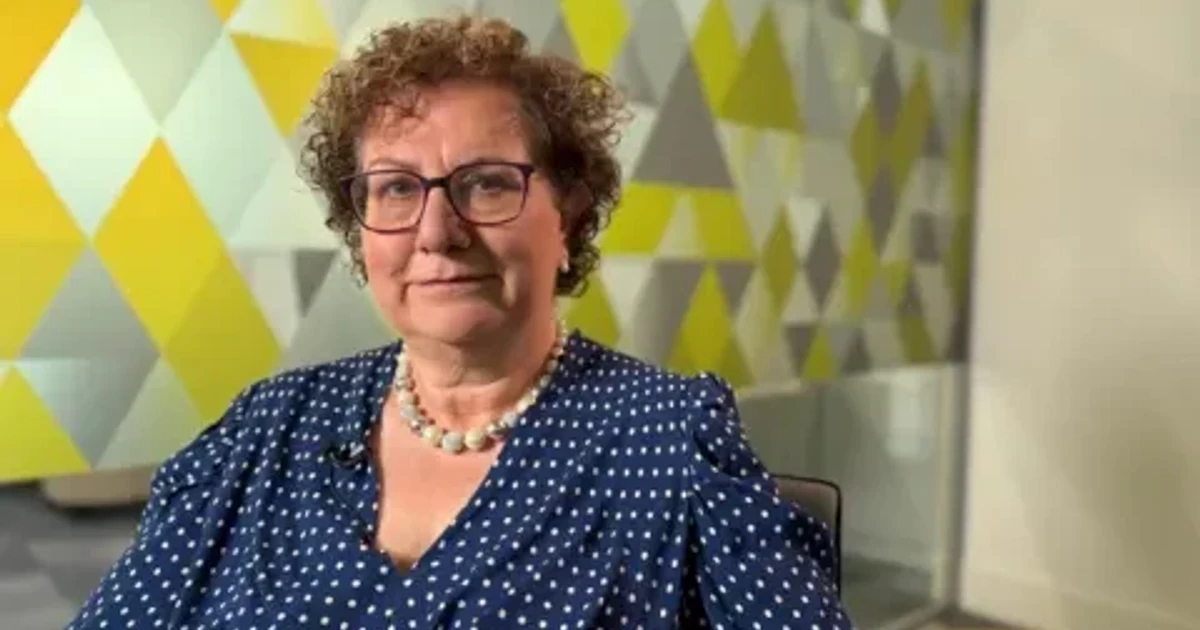
The UK’s most contentious puberty blocker study was cleared to resume after regulators rewrote its safeguards, reviving a trial that sits at the center of Britain’s gender-care policy fight. Dr Hilary Cass said she was “absolutely convinced that more children will be harmed if we don't do the trial than if we do,” setting up a dispute over whether evidence is too thin to justify waiting any longer.
PATHWAYS is designed to recruit 226 children and compare two approaches over 24 months. One group would receive puberty blockers at the outset, while the other would wait 12 months before starting treatment. The study was commissioned through NHS England and the National Institute for Health and Care Research after Cass’s 2024 review found extremely limited evidence on the benefits and harms of puberty blockers and called for further research.
That review, commissioned by NHS England in 2020 and published in final form in April 2024, changed clinical policy across the NHS. In March 2024, NHS England stopped routine use of puberty suppressing hormones for gender incongruence, and the service’s policy says they are not available as a routine commissioning treatment option for children and young people with gender incongruence or gender dysphoria. The government later made the ban on private prescribing to under-18s indefinite in December 2024, citing Cass and the Commission on Human Medicines.
The trial itself was paused in February 2026 after the Medicines and Healthcare Products Regulatory Agency raised concerns about participant wellbeing. The original protocol required children to be at puberty, at Tanner stage 2, and under 15 years and 11 months, but it did not set a minimum age. The MHRA pushed for a stepwise approach beginning at 14, and the revised protocol was approved on 22 June 2026 after changes that included stronger information for families and clearer warnings about possible effects on bone density.
The dispute has been as much about ethics and consent as medicine. The Bayswater Support Group, which says it represents 800 parents of children and young adults who identify as transgender, sent a pre-action letter threatening judicial review. Campaigners used the hashtag #StopTheTrial, Conservative leader Kemi Badenoch called it “activist ideology masquerading as research,” and former patient Keira Bell said it was “disgusting” for children to be placed on puberty blockers.
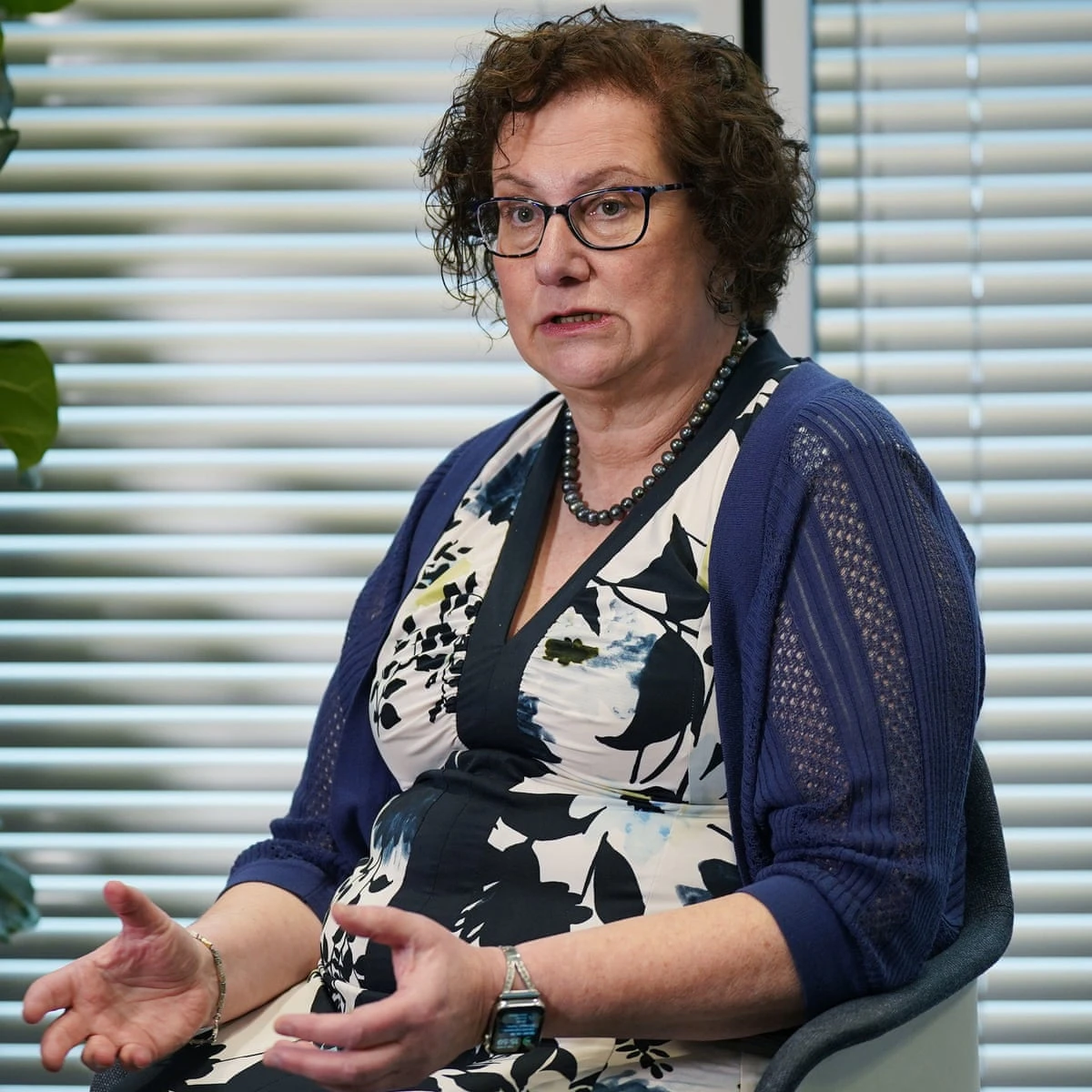
Supporters of the trial say the opposite risk is leaving clinicians and families to make decisions without solid data on physical development, mental health, fertility, bone density, or brain development. Professor Emily Simonoff of King’s College London has argued that a properly regulated trial is needed to reduce harm and improve future NHS care for children and young people with gender incongruence.
Sources
- [1]bbc.com
- [2]bmj.com
- [3]england.nhs.uk
- [4]gov.uk
- [5]kcl.ac.uk
- [6]hra.nhs.uk
- [7]hansard.parliament.uk