Politics
Cassidy’s Trump Conviction Vote Shapes Louisiana Senate Race
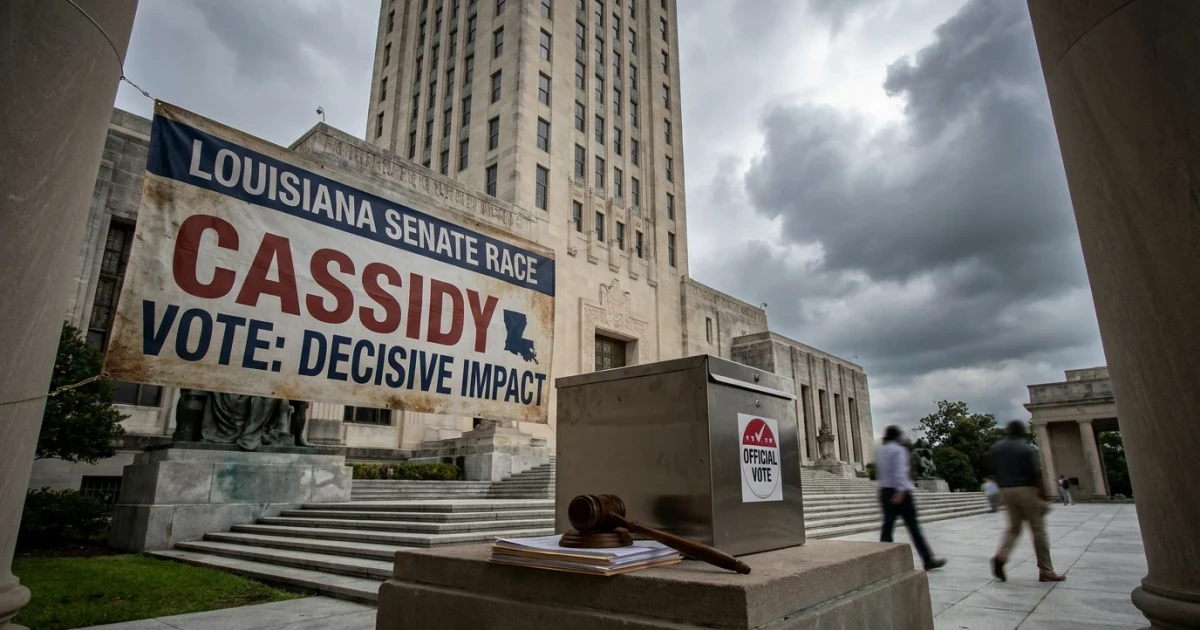
Senator Bill Cassidy’s vote to convict former President Donald Trump in his second impeachment trial continues to reverberate throughout Louisiana’s political landscape, as the state’s Senate primary draws national attention. With the primary approaching, Cassidy’s high-profile break from his party remains a central issue for Republican voters and candidates alike.
Cassidy’s Impeachment Vote Remains Contentious
In February 2021, Cassidy was one of just seven Republican senators who voted to convict Trump on charges of incitement of insurrection following the January 6 Capitol attack. The official Senate roll call record shows Cassidy joined Democrats and a handful of GOP colleagues in the 57-43 vote, falling short of the two-thirds majority required for conviction. His decision drew swift backlash from the Louisiana Republican Party, which censured him days later, and energized potential challengers for his seat.
Impact on the Republican Primary
The fallout from Cassidy’s vote is a defining factor in the current primary contest. According to Cook Political Report’s overview of Louisiana politics, the state remains deeply conservative, with high support for Trump among GOP voters. Several primary contenders have centered their campaigns on Cassidy’s impeachment vote, arguing it was a betrayal of party loyalty and the will of Louisiana’s electorate. Al Jazeera reports that the issue has galvanized the Republican base, sparking heated debates at town halls and campaign events across the state.
- Louisiana voted overwhelmingly for Trump in the 2020 presidential election.
- Cassidy won his last Senate race with over 59% of the vote, but faces a more divided electorate now, as shown in Federal Election Commission data.
- The state GOP’s censure of Cassidy reflected a larger national rift within the Republican Party over Trump’s legacy.
Voter Sentiment and Political Calculations
Public opinion on Cassidy’s vote remains sharply polarized. Research from Pew indicates that while a majority of Americans supported Trump’s disqualification from future office, most Republicans, especially in Southern states like Louisiana, disagreed. This divide is echoed in the primary, where some candidates seek to align themselves closely with Trump’s agenda, while others attempt to appeal to moderates and independents wary of the former president’s influence.
Cassidy, for his part, has defended his decision as a matter of constitutional duty, though he has largely avoided public clashes with Trump loyalists in recent months. Instead, he has emphasized his legislative record and work on bipartisan initiatives. According to GovTrack’s analysis of Cassidy’s legislative activity, he has sponsored and co-sponsored bills on health care, disaster relief, and energy policy—issues with direct relevance to Louisiana voters.
Looking Ahead
As the primary nears, the outcome may serve as a referendum on Republican attitudes toward Trump and dissent within party ranks. Al Jazeera notes that the race is being closely watched as a bellwether for the future direction of the GOP in the Deep South. The Louisiana Secretary of State’s elections data will provide the official results, which analysts say could influence national political strategy heading into the next cycle.
While Cassidy’s vote to convict Trump has become a major flashpoint, the primary will ultimately test whether party loyalty outweighs individual conscience—and how much Trump’s shadow still looms over Republican politics in Louisiana and beyond.