US News
CBS bicentennial clips brought U.S. history to prime time
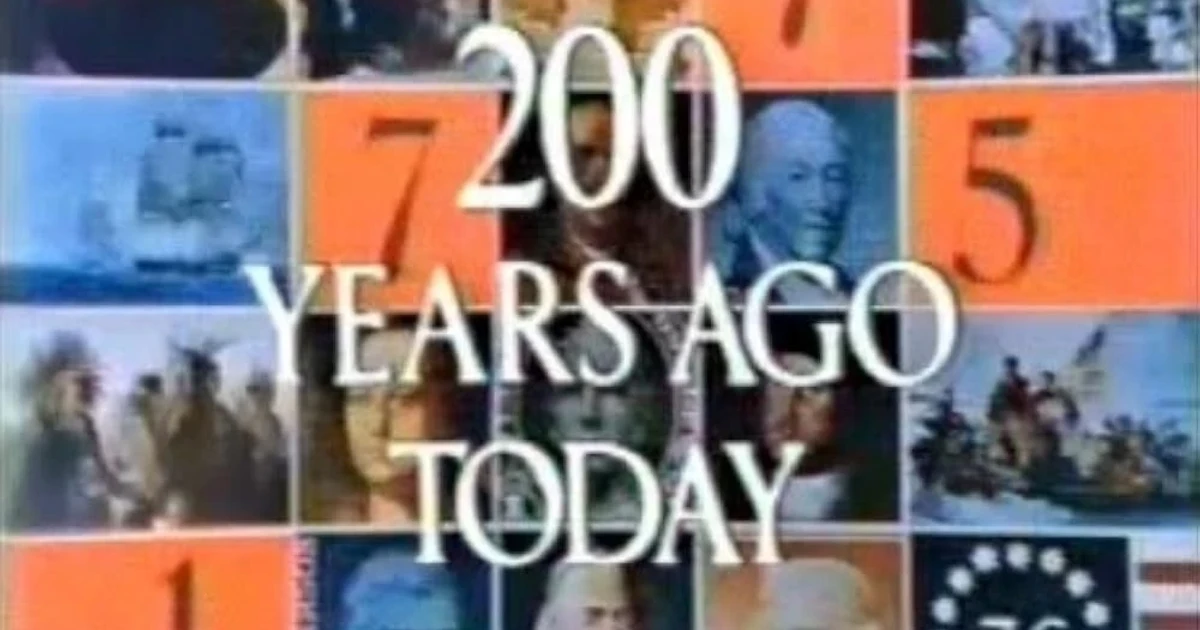
CBS made the nation’s 200th birthday into nightly television, compressing early U.S. history into one-minute clips that could sit between prime-time programs. The network had planned the project to end on July 4, 1976, then extended it through December 31, 1976, turning Bicentennial Minutes into a 912-episode run that linked patriotic education, celebrity presence, and commercial sponsorship.
How CBS packaged history for prime time
Bicentennial Minutes was built for speed and reach. The series aired nightly from July 4, 1974, through the end of 1976, with Ethel Winant and Lewis Freedman of CBS credited as its creators. Shell Oil Company backed the early run, and Raid took over sponsorship starting in July 1976, underscoring how corporate support helped carry a public-history project into the living room.
The format mattered as much as the subject. Instead of long-form documentaries or classroom-style instruction, CBS used short, accessible segments to turn early American history into a recurring habit of viewing. That gave the bicentennial a steady prime-time presence at a moment when the country was preparing to mark the adoption of the Declaration of Independence with a year of ceremonies, parades, and televised commemoration.
Why celebrity narrators changed the message
The clips with Edith Head and Judith Crist show CBS’s larger bet: that recognizable cultural figures could make the past feel immediate. Head, a legendary costume designer, and Crist, a prominent film critic, were not historians, but that was part of the point. Their authority came from public recognition, which helped CBS bridge elite culture, popular entertainment, and national memory.
Major Garrett, CBS News chief Washington correspondent, introduces the pair of clips, framing them as part of the network’s bicentennial archive. Judith Crist appears in a Bicentennial Minute episode identified as airing on March 19, 1976, placing the segment in the thick of the bicentennial year rather than in a distant commemorative afterword. The effect was to make historical remembrance feel current, voiced by figures viewers already knew from movies, fashion, and television commentary.
This approach also reveals how broadcast TV manufactured a shared version of the past. By handing historical narration to celebrity interpreters, CBS translated early U.S. events into something less like a lecture and more like a familiar prime-time ritual. That mattered in a media environment where national memory was increasingly shaped by what was scheduled, repeated, and made easy to watch.
The bicentennial’s wider national staging
CBS’s clips were only one part of a larger wave of Ford-era bicentennial activity. The United States Bicentennial culminated on Sunday, July 4, 1976, the 200th anniversary of the Declaration of Independence, but the commemoration had already been unfolding for months through official programs and traveling exhibitions.
One of the most visible national symbols was the American Freedom Train, which began a 21-month tour of the 48 contiguous states on April 1, 1975. Its long route gave the bicentennial a physical presence well beyond television, moving the celebration through communities across the country rather than confining it to Washington or a single marquee event. The train and CBS’s nightly segments worked in parallel: one traveled by rail, the other by broadcast signal, and both helped standardize what the nation was supposed to remember.
The commemorations also sat within the institutional framework of the American Revolution Bicentennial Administration and the American Revolution Bicentennial Commission, the federal bodies tied to organizing the anniversary. That official structure gave the year its civic language, while CBS supplied a more intimate, domestic one, bringing historical memory into the rhythm of evening viewing.
What aired on July 4, 1976
CBS treated the holiday itself as a programming event. On July 4, 1976, the network aired special bicentennial broadcasts, including In Celebration of Us and a Bicentennial Minute featuring Betty Ford. That pairing shows how the network layered formal celebration with short televised remarks, using the First Lady’s presence to tie the bicentennial to the Ford White House and to the broader public ritual of the day.
The holiday programming also marked the end point of a much longer effort. By then, Bicentennial Minutes had already become a nightly fixture, and the extension through December 31 kept the series alive after the official July 4 climax. Rather than disappearing once the anniversary date passed, CBS continued to treat the bicentennial as a story worth narrating through the rest of the year.
What the series reveals about national memory
Bicentennial Minutes shows how television did more than record the bicentennial. It helped define it. By putting Edith Head, Judith Crist, and Betty Ford in the same commemorative frame, CBS made the nation’s history feel legible through familiar voices and familiar schedules.
The choice of celebrity narrators mattered because it shifted authority. History was not only delivered by scholars or civic officials; it was also filtered through recognizable public figures whose names already carried cultural weight. In that sense, the series reflected a larger broadcast-era truth: if a network could make a one-minute segment feel authoritative, repeat it 912 times, and place it inside prime-time television, it could shape how millions experienced the meaning of 1776.
Sources
- [1]cbsnews.com
- [2]fordlibrarymuseum.gov
- [3]en.wikipedia.org
- [4]imdb.com
- [5]ultimate70s.com