Politics
CBS News interviews Waltz, Kennedy and Gottlieb amid cyclospora outbreaks
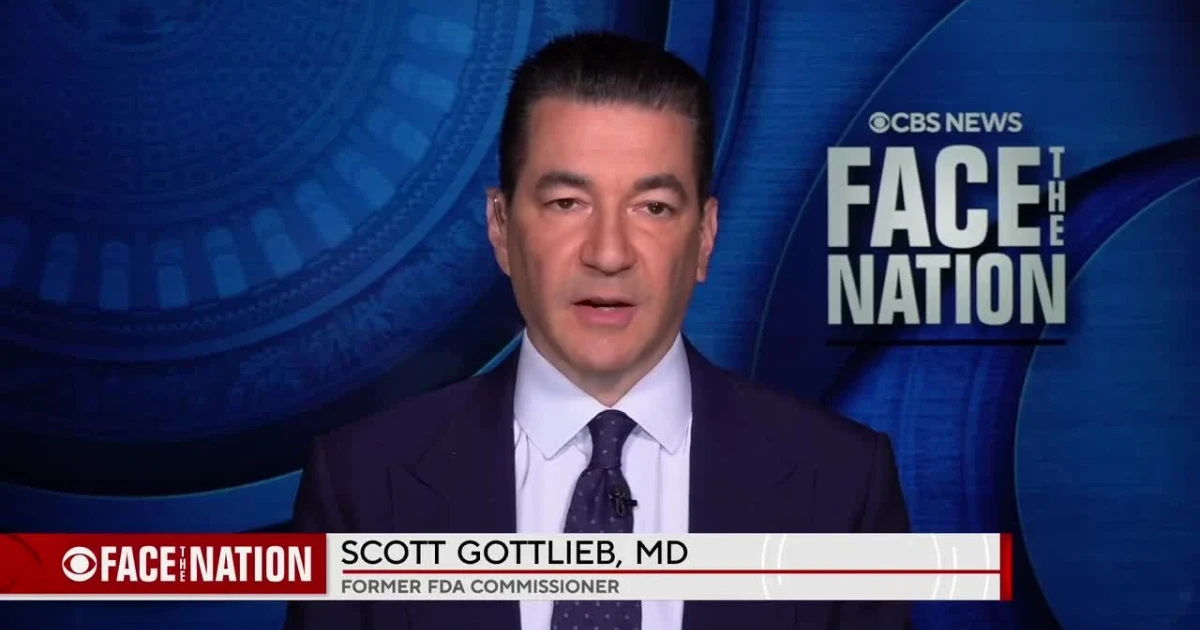
CBS News posted full transcripts for Mike Waltz, John Kennedy and Scott Gottlieb after its July 26 broadcast of Face the Nation with Margaret Brennan, with the three interview pages updated within five minutes of one another. The timing turned the Sunday lineup into a snapshot of three live policy fights: Iran, Congress and a multi-state foodborne illness outbreak.
Waltz, the U.S. ambassador to the United Nations, was the clearest marker of foreign policy movement. In the interview, he said President Donald Trump was giving Iran talks “a little bit of room” as the administration weighed its next step after recent military strikes. That language signaled a pause for diplomacy, not a hard break in pressure, and it placed the U.N. ambassador at the center of Washington’s public message about how far the White House intends to push Tehran.
Gottlieb’s segment shifted sharply from geopolitics to public health. Brennan opened by noting that the former FDA commissioner sits on the boards of Pfizer and UnitedHealth, then raised cyclospora outbreaks in nine states. That framing matters because cyclospora is a food safety problem that can move quickly across state lines and force federal agencies to coordinate traceback work, case tracking and public warnings. The outbreak’s reach, nine states in all, made it more than a local contamination story.

Kennedy, the Republican senator from Louisiana, joined from Madisonville, Louisiana, as one of the other named guests on the episode. CBS News had announced the July 26 lineup two days earlier, listing Kennedy, independent Sen. Bernie Sanders and Waltz. Kennedy’s transcript page was updated at 12:37 p.m. EDT, after Gottlieb’s at 12:32 p.m. and Waltz’s at 12:34 p.m., putting the three conversations into one rapid post-broadcast package.
The broadcast’s structure showed where the real stakes were. Waltz used the platform to describe space for Iran diplomacy, Gottlieb confronted an outbreak with concrete public health implications, and Kennedy filled the Senate lane in a roundtable that kept congressional politics in view.
Sources
- [1]cbsnews.com