Entertainment
CBS News ombudsman stays silent amid growing credibility crisis
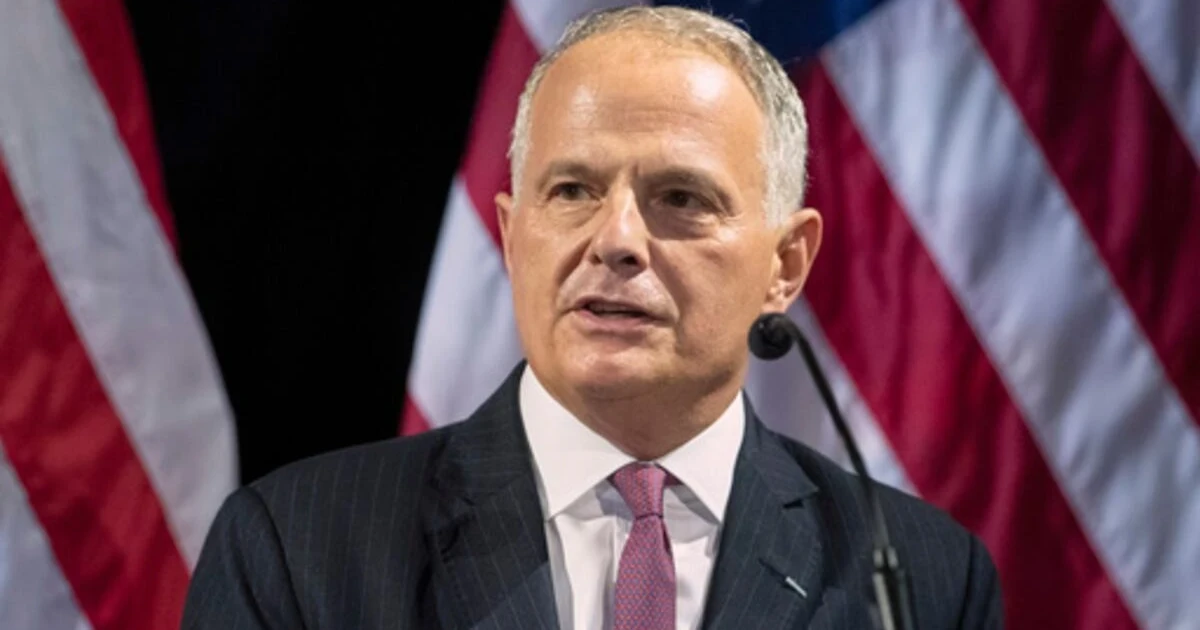
CBS News’ newest watchdog has become a test of whether the network’s accountability system exists in practice or only on paper. Kenneth R. Weinstein was brought in to review complaints, yet as the latest 60 Minutes crisis has widened, no public response has come from the office meant to help reassure viewers.
Paramount named Weinstein CBS News ombudsman on September 8, 2025, after Skydance had pledged to federal regulators that it would add an ombudsman, review bias complaints and address viewpoint diversity concerns at CBS News. The Federal Communications Commission approved Skydance’s $8 billion acquisition of Paramount Global on July 24, 2025, citing commitments on viewpoint diversity, nondiscrimination and enhanced localism at CBS. That background made the post sound like a safeguard against political and editorial pressure.
Weinstein, the former president and chief executive of the Hudson Institute, had little background in journalism, and reporting at the time said his duties included no public role. That matters now because the traditional value of an ombudsman is not only to hear complaints inside the organization, but to stand visibly between management and the audience when trust is breaking down. In CBS News’ case, the ombudsman structure has produced no such public-facing defense or explanation.
The silence comes as CBS News faces escalating turmoil over 60 Minutes. In early June 2026, reports described internal clashes inside the program, and NBC News reported that CBS News fired veteran 60 Minutes correspondent Scott Pelley on June 2, 2026, after a heated staff meeting in which he confronted the show’s new executive producer. Staff frustration and criticism of leadership decisions have only sharpened the sense that the network is now managing a credibility problem without a visible internal check.
That leaves a harder question than a single personnel dispute: whether CBS News created an accountability mechanism that can actually operate under corporate pressure, or one that exists mainly to satisfy regulators and calm public concern. If the ombudsman remains silent during the network’s most sensitive controversies, the promise of independent review looks less like a safeguard than a symbol.
Sources
- [1]nytimes.com
- [2]cbsnews.com
- [3]firstamendment.mtsu.edu
- [4]docs.fcc.gov
- [5]nbcnews.com
- [6]reuters.com