Entertainment
CBS revisits bicentennial minutes with Kitty Carlisle and Bert Convy
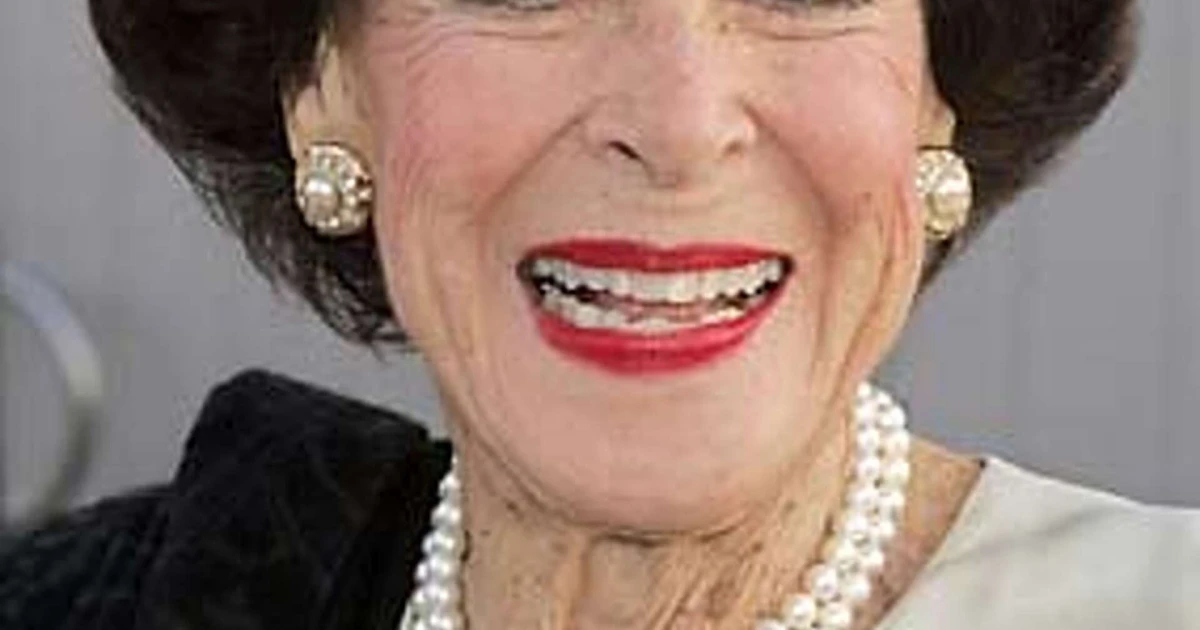
CBS News chief Washington correspondent Major Garrett has introduced two 1976 bicentennial segments that put Kitty Carlisle Hart and Bert Convy back in the frame, two familiar television figures used to make America’s 200th-birthday storytelling feel easy to recognize and easy to share.
The clips come from CBS’s Bicentennial Minutes, a nightly series of 60-second educational spots that ran from July 4, 1974, through December 31, 1976. CBS had originally planned to stop on July 4, 1976, the day the United States bicentennial culminated, but the network extended the run through the end of the year and ultimately aired 912 episodes. Shell Oil Company sponsored the early installments before Raid took over in July 1976.
That format mattered. Kitty Carlisle Hart was already a well-known stage and screen actress, opera singer, television personality, and longtime panelist on To Tell the Truth. Bert Convy came to viewers as an actor, singer, game-show panelist, and host, with later association to Tattletales, Super Password and Win, Lose or Draw. CBS leaned on that kind of recognition so the historical mini-lessons would feel less like homework and more like a shared ritual between commercial breaks.
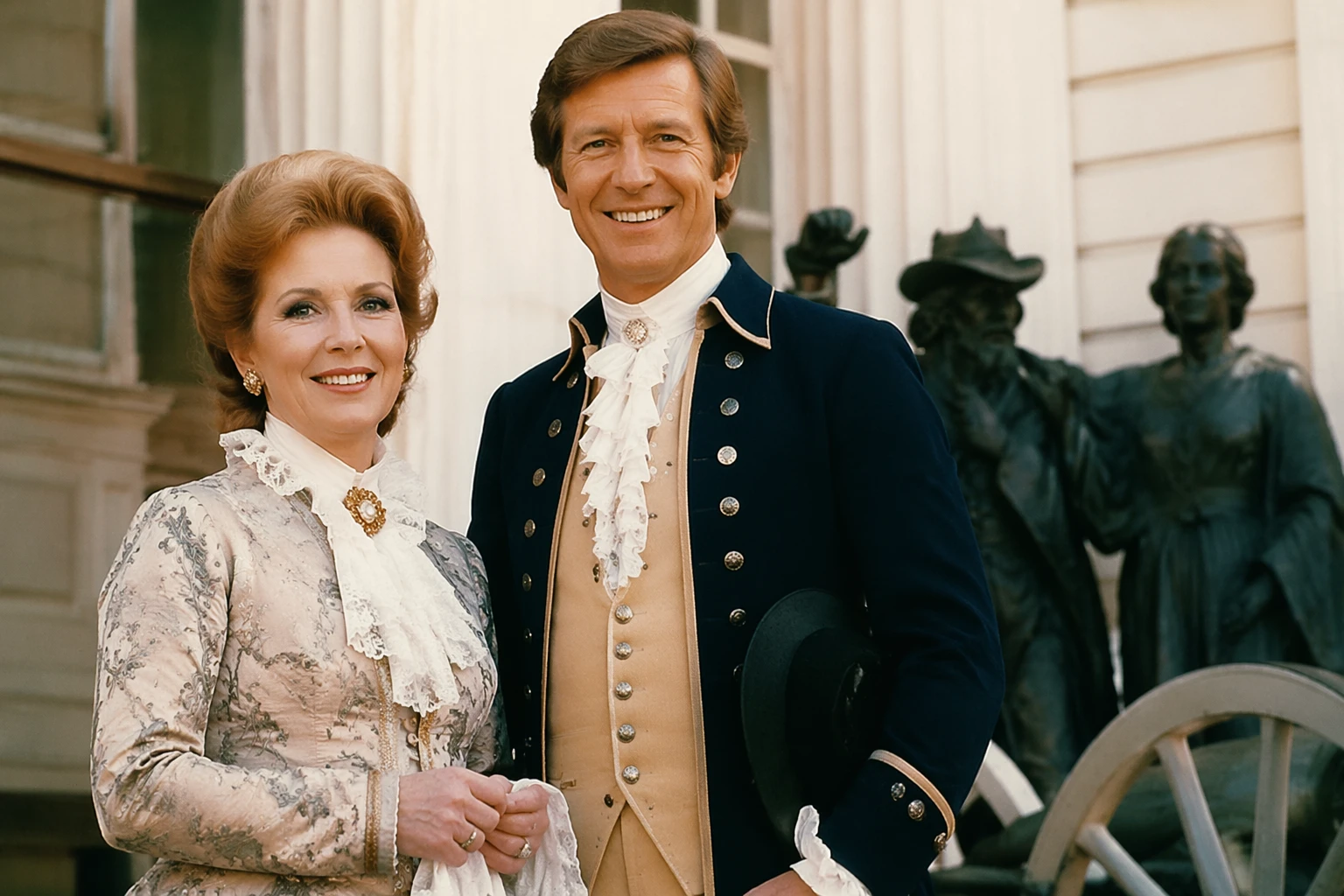
The result was a broadcast model that matched the mood of the country’s 200th anniversary. In 1976, a single network could still imagine a broad audience hearing the same civic story at the same time, with patriotism packaged in a minute and delivered into millions of living rooms. That made the Bicentennial Minutes more than nostalgia fodder; they were a reminder of how mass television once stitched civic identity together through familiar faces, repeatable formats and a common calendar of national celebration.
CBS’s current revival of the clips, now folded into America 250 coverage, lands differently. The old segments assumed a shared media culture and a largely common set of references. Today’s viewers move through far more fractured platforms, narrower audiences and competing versions of national memory, which makes those brief, polished lessons from 1976 feel like artifacts from a country that was still comfortable telling itself one story at a time.
Sources
- [1]cbsnews.com
- [2]en.wikipedia.org