US News
CBS Sunday Morning Almanac revisits June 14 milestones and time capsules
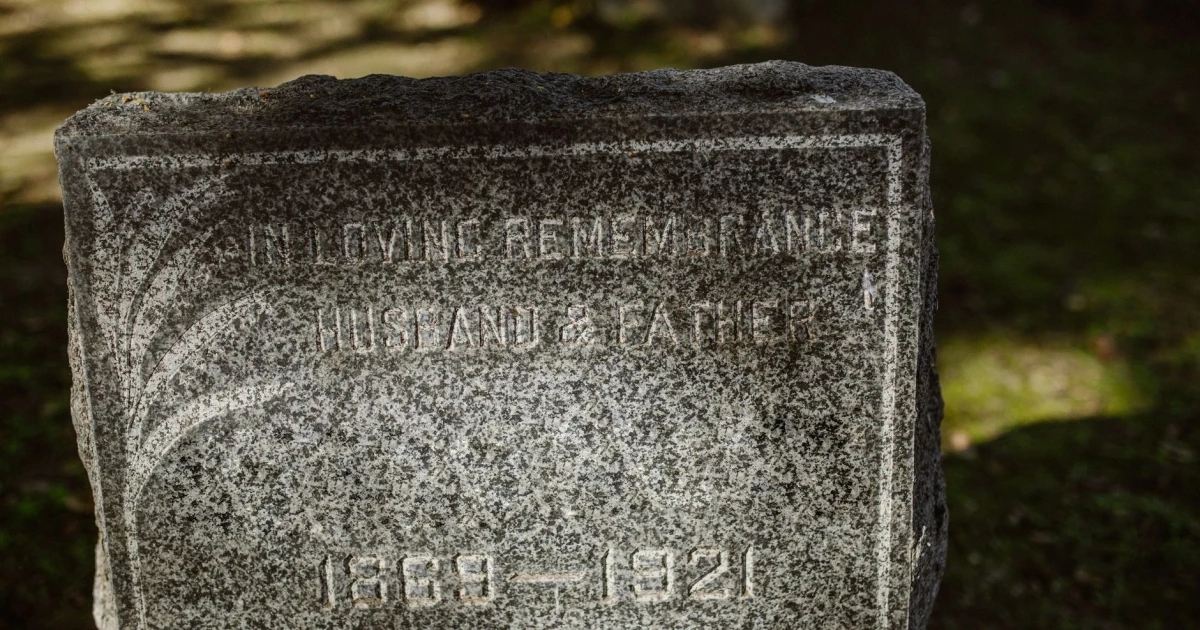
A nation preparing to mark its 250th anniversary is also deciding which stories deserve to survive. CBS Sunday Morning’s Almanac segment turns that question into Sunday television, pairing a look back at June 14 milestones with Faith Salie’s report on time capsules and the urge to preserve a snapshot of the present.
A familiar ritual with a sharper purpose
CBS listed the June 14, 2026 edition as season 2026, episode 24, and the broadcast ran from 9:00 to 10:30 a.m. ET. Jane Pauley hosts the long-running Sunday morning franchise, which CBS describes as a mix of history, Americana, arts, science, sports and other subjects, so the Almanac fits neatly into the show’s larger habit of turning a calendar date into a national conversation.
That matters in 2026 because the country is moving toward the 250th anniversary of the Declaration of Independence. A segment about time capsules is more than a nostalgic flourish in that setting. It is a reminder that anniversaries are not just for ceremonies and speeches; they are also for deciding what Americans want future generations to remember about the age they inherited.
June 14, 1775: the birth of a national army
One of the June 14 milestones CBS has used in its Almanac history is the day in 1775 when the Continental Congress voted to replace the part-time militias facing British forces with a full-time army. The decision marked a crucial step away from a loose colonial defense posture and toward a national military structure, even before independence had been formally declared.
That shift still resonates because it raises a question that remains central in modern policy debates: how much security should be organized locally, and how much should be built through national institutions? The answer in 1775 was to professionalize force in the face of war. In 2026, the same broad tension appears in discussions of defense spending, federal responsibility, and how much capacity the country needs to meet threats that do not stay neatly within state lines.
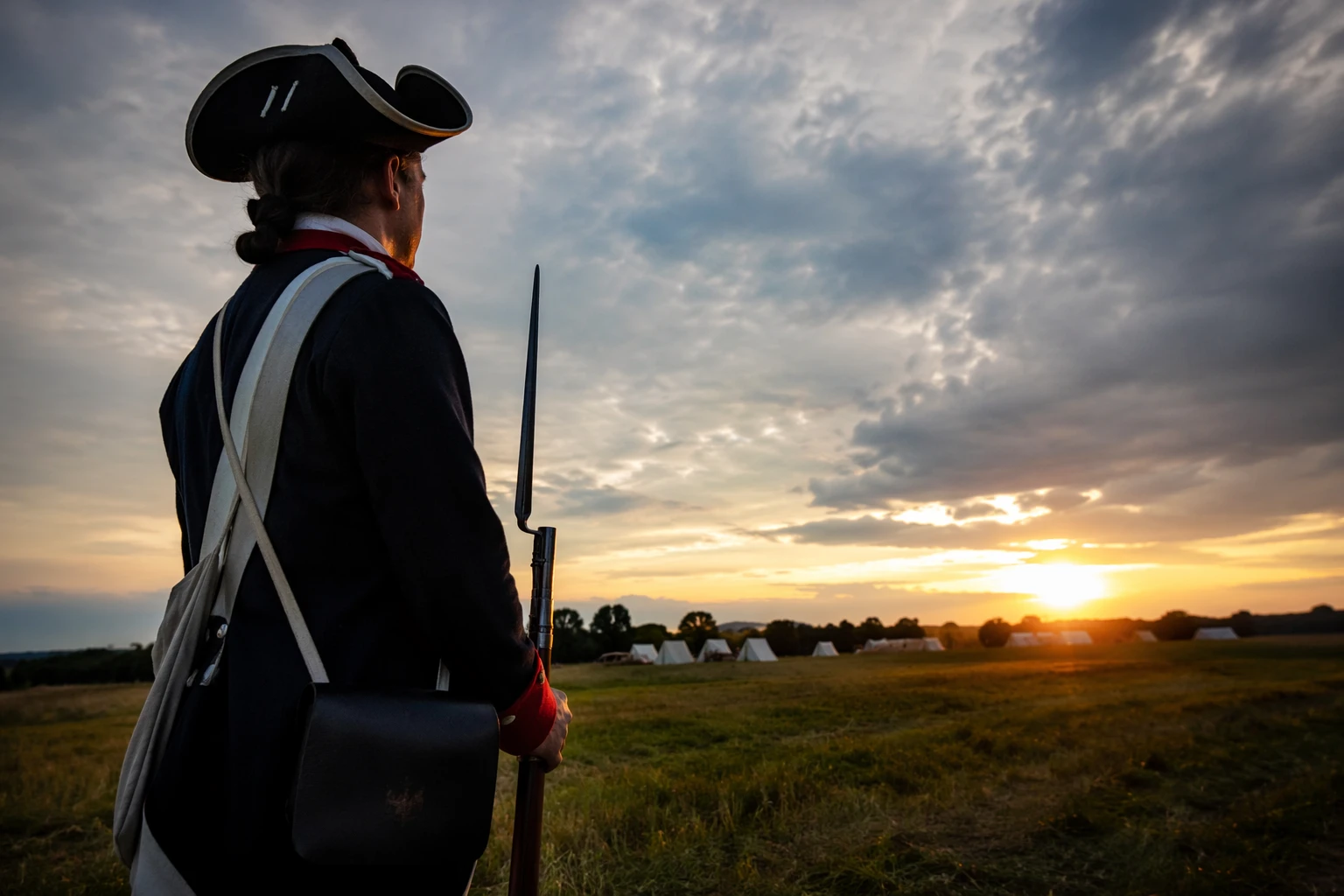
CBS’s Almanac treatment of that date turns a military origin story into something larger. It is not just about the Army’s birth. It is about the moment Americans began choosing institutions powerful enough to bind a new nation together.
June 14, 1954: a drill for a nuclear age
CBS has also pointed Almanac viewers to June 14, 1954, when the United States conducted the nationwide civil-defense drill Operation Alert. The network described it as the day Americans took time out to hunker down, a phrase that captures both the scale of the exercise and the anxiety behind it.
Operation Alert reflected a country learning to live with the threat of nuclear attack. Civil defense was not an abstract policy idea then. It meant public drills, emergency planning and a government trying to make fear manageable through procedure. That memory lands differently in 2026, when Americans are once again weighing how to respond to emergencies that demand both public trust and coordinated systems, from weather disasters to infrastructure failures.
The value of revisiting Operation Alert is that it shows how quickly preparedness can become a national habit when the threat feels immediate. It also shows how government messaging shapes public behavior. When citizens are asked to practice response plans, they are being asked to accept that resilience is a shared responsibility, not just a private one.
Faith Salie’s time capsules and the problem of preservation
Faith Salie’s June 14 segment looks at the use of time capsules to capture a bit of history, which makes the episode feel especially well timed as America approaches its semiquincentennial. Time capsules are deceptively simple objects. They are part archive, part wager on the future, built on the hope that someone decades later will care enough to open them.
In a year like 2026, that idea carries real weight. Public institutions, schools, towns and museums are already thinking about how to mark the 250th anniversary in a way that feels substantive rather than ceremonial. Time capsules answer that challenge in a concrete way: they force people to decide what defines an era, and what will look ordinary now but significant later.
That is why Salie’s topic belongs in the Almanac. The segment is not only about looking backward. It is also about selecting evidence for the future. In a culture saturated with disposable information, the decision to preserve a few objects, notes or artifacts becomes a statement about value.
Why the Almanac still works
CBS’s archive of earlier Almanac segments suggests this is a recurring feature rather than a one-off nostalgic detour, and that recurring form is part of its strength. A date can hold military history, civil-defense fears and the impulse to save the present for later. The Almanac makes those connections visible in a short television slot, but the implications are larger than the segment itself.
June 14 is especially resonant because its milestones move across eras of national formation and national anxiety. One date captures the birth of a professional army. Another captures the discipline of a population preparing for catastrophe. Salie’s time-capsule segment adds the third layer: a country asking how to preserve its own story before the 250th anniversary arrives.
That is what makes this Almanac entry feel timely in 2026. It uses history not as decoration, but as a lens on the way Americans think about security, memory and identity.