US News
CBS Sunday Morning explores birthright citizenship and Theodore Roosevelt library
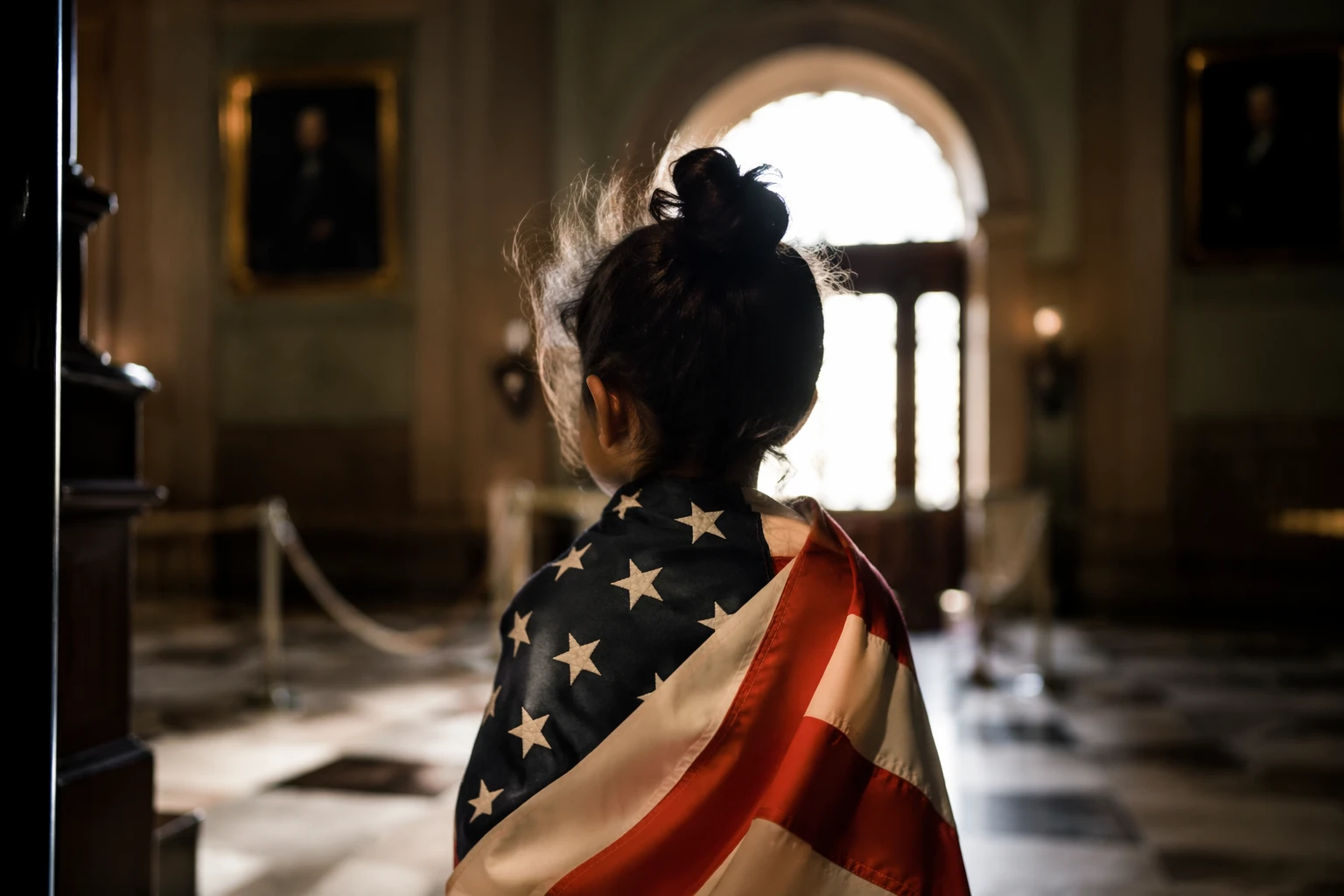
CBS Sunday Morning framed a familiar holiday weekend around a far less sentimental question: who gets to be American, and who gets to decide. The hour’s lead story, on birthright citizenship, focused on a constitutional right written into the 14th Amendment and now under pressure from a January 2025 executive order signed by President Donald J. Trump that sought to limit citizenship for children born to parents in the country illegally or temporarily. CBS said the change could affect about a quarter of a million children a year, according to Pew Research Center, and the issue was before the Supreme Court.
That dispute gave the program its clearest national throughline. The legal fight was not presented as an abstraction but as a test of how the country reads its own founding promises, with the 14th Amendment on one side and a renewed push to narrow citizenship on the other. In a political moment defined by immigration battles, the segment suggested that the argument is not only about border enforcement but also about the definition of belonging itself.
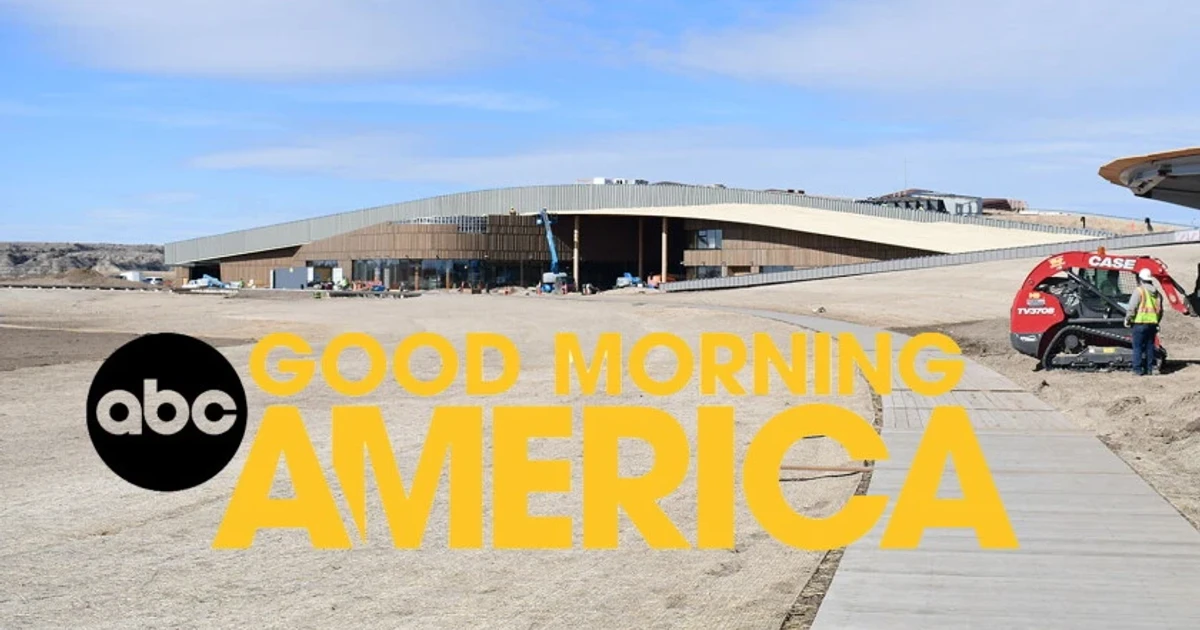
The broadcast then moved to a different kind of inheritance in Medora, North Dakota, where the Theodore Roosevelt Presidential Library was rising in the Badlands. The project spans 96,000 square feet and is set for a grand opening on July 4, 2026, timed to America’s 250th anniversary. The library said July 4 tickets were sold out, while visits on July 5 and later remained available. North Dakota tourism said the site, near Theodore Roosevelt National Park, was intended to reflect Roosevelt’s leadership, conservation and American spirit.
That pairing mattered because Roosevelt represents a harder, older version of national identity, one rooted in land, power and civic ambition. The library’s placement in Medora, overlooking the Little Missouri River, turned a presidential memorial into a statement about how Americans curate their past while arguing about their present. On a broadcast built around public memory, the Roosevelt project served as a monument to one version of the American story even as birthright citizenship raised questions about who gets written into it.
The other segments sharpened the same theme through family and care. John Mulaney, speaking with Tracy Smith, discussed his Netflix series Everybody’s Live with John Mulaney and how fatherhood has changed his outlook. Shooter Jennings’ segment drew on recordings by Waylon Jennings, a Father’s Day weekend reminder that family legacies still shape American culture. The program even found a natural fit in seahorses and seadragons, with their unusual reproductive roles and male pregnancy, while a childhood obesity report added a more sobering counterpoint: U.S. obesity prevalence rose from 5.2% in 1971-1974 to 21.1% among ages 2 to 19 in 2021-2023, with adolescents carrying the highest rates.
Taken together, the broadcast suggested a country debating not just policy, but inheritance, responsibility and the meaning of family itself.
Sources
- [1]cbsnews.com
- [2]paramountpressexpress.com
- [3]trlibrary.com
- [4]ndtourism.com
- [5]cdc.gov
- [6]cbs.com
- [7]nationalgeographic.com