Entertainment
CBS’s 48 Hours returns with Season 38 true-crime cases
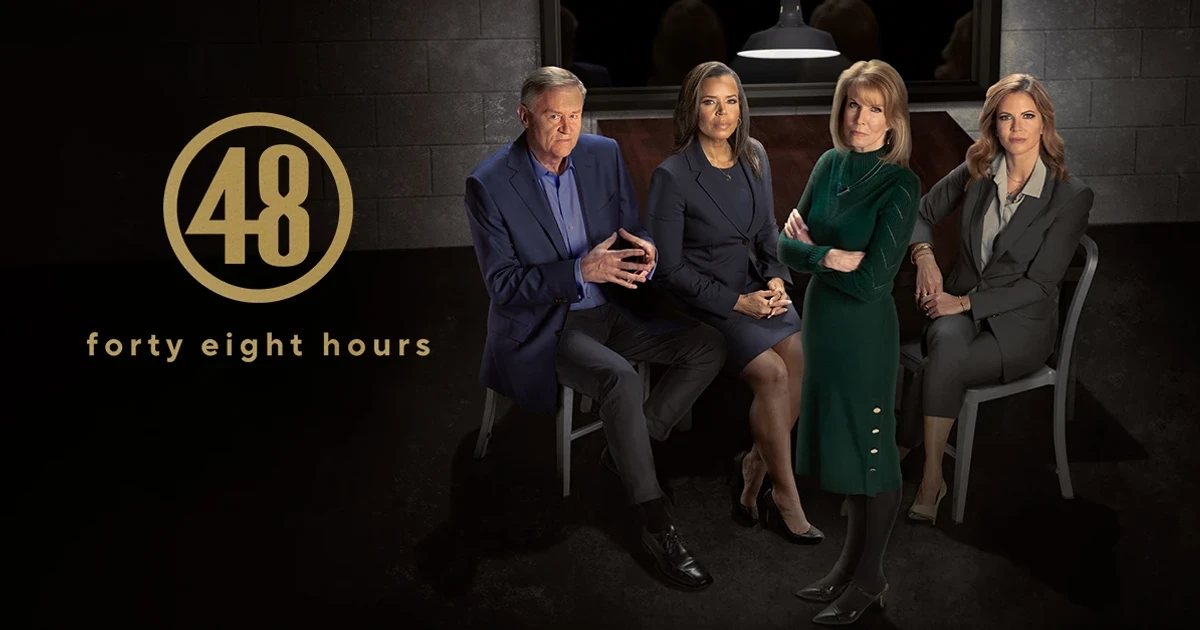
48 Hours is still doing what few broadcast franchises can: turn real cases into appointment viewing. CBS calls it television’s most popular true-crime series, and the show’s return with Season 38 reinforces how a long-running broadcast brand can stay culturally sticky even as streaming reshapes viewing habits.
Why 48 Hours still commands attention
The series premiered in 1988, which means it has spent decades building a relationship with viewers who return for the same core promise: shocking cases told with journalistic rigor. CBS describes the show as combining compelling real-life drama with “journalistic integrity and cutting-edge style,” a formula that has helped it outlast countless competitors and remain a familiar fixture in the network’s primetime ecosystem.
That longevity matters because true crime on broadcast television is no longer just about a single episode’s twist. It is about trust, routine, and the sense that a familiar team will handle difficult stories with care. In a crowded streaming era, that combination gives a franchise like 48 Hours a different kind of value: it is both a weekly destination and a library of recognizable reporting built over years.
What Season 38 says about the brand
Season 38 in 2026 shows that CBS is not treating 48 Hours as legacy filler. The network is still positioning it as an active part of the primetime lineup, with current episodes continuing to roll out under the season banner. That is a useful signal for viewers who follow true crime as a habit, because it means the series remains part of the present tense rather than being stored away as a back catalog title.
The season’s recent episodes also underline the range of stories 48 Hours continues to pursue. CBS episode listings include “The Plot to Eliminate Alyssa Burkett” on June 6, 2026, and earlier May installments such as “The Love Bombing of Gloria Choi” and “Beverly Hills 911.” Those titles point to the show’s mix of intimate personal tragedy, criminal investigation, and the broader social dynamics that often sit underneath high-profile cases.
The June schedule and the next episode in view
The latest CBS schedule listed 48 Hours for Saturday, June 13, 2026 at 10:00 p.m. ET, with the episode “Could Angela Prichard Have Been Saved?” That slot matters because it shows how the show continues to hold a clear place in the network’s weekend programming, where audiences are more likely to settle in for a full investigative hour.
CBS also identified the program in its schedule as part of the 2026 Season 38 run, keeping the branding consistent across listings and episode pages. For viewers tracking the series week to week, that creates a simple rhythm: the network schedule, the episode title, and the season count all reinforce that 48 Hours remains an ongoing franchise rather than a one-off documentary series.
How CBS is distributing the show now
CBS is also widening the series’ reach beyond linear television. The network says 48 Hours is available through its 48 Hours hub and free live stream, while episodes also stream on Paramount+. That distribution mix reflects the economics of real-crime storytelling in 2026: the franchise can still drive live tune-in for CBS while also serving on-demand viewers who prefer to catch up later.
This dual presence matters for a series like 48 Hours because true crime often performs in two modes at once. Some viewers watch live because the case feels urgent and emotionally immediate. Others arrive through streaming, where the show’s archive and steady cadence make it easy to sample an episode, then move backward or forward through the season.
Why broadcast true crime stays durable
The lasting appeal of 48 Hours is not only the mystery itself. It is the way the series has linked storytelling with consequences, including cases that led to exonerations and cold cases being reopened and solved. That gives the franchise a public-service dimension that goes beyond entertainment and helps explain why it still resonates in the age of algorithm-driven viewing.
True crime can be exploitative when it treats victims and communities as scenery. The reason a series like 48 Hours endures is that CBS has built it around the idea that reporting can do more than dramatize violence. It can surface failures in the justice system, show how communities live with unsolved cases, and remind viewers that investigation sometimes changes outcomes.
That is where the show’s cultural durability becomes clear. Its audience loyalty is not based only on suspense, but on the expectation that each episode will balance narrative tension with accountability. In an era when streaming platforms produce endless crime content, 48 Hours still stands out because it offers a recognizable broadcast institution, a long memory, and the promise that the story may matter outside the hour it airs.
The big picture for viewers
For anyone following CBS’s true-crime lineup, Season 38 is less a reset than a continuation of a proven format. Natalie Morales is among the correspondents tied to the 2026 season, and longtime 48 Hours figures such as Peter Van Sant, Tracy Smith, and Erin Moriarty remain part of the broader reporting identity associated with the franchise. That continuity helps explain why the series still feels like a network event rather than just another true-crime title in the queue.
In practical terms, the show’s current run gives viewers a clear way to track the franchise: CBS primetime on Saturdays, a free live stream, Paramount+ access, and episode pages that keep the season organized. In cultural terms, it shows how a broadcast true-crime series built in 1988 can still find fresh relevance by pairing case-driven storytelling with institutional trust.
Sources
- [1]cbsnews.com
- [2]cbs.com
- [3]youtube.com