Health
CDC blocked covid vaccine study later published in medical journal
The CDC’s acting director blocked a covid vaccine study that had already cleared scientific review and editor approval, setting off a dispute over who controls public-health evidence inside the federal government. The analysis, originally slated for the CDC’s Morbidity and Mortality Weekly Report on March 19, 2026, found that the 2024-2025 vaccine cut emergency department visits and hospitalizations among otherwise healthy adults by about half.
Health officials halted the report over concerns about the way the researchers estimated vaccine effectiveness, HHS said. The paper used the test-negative design, a standard observational method that CDC itself uses in vaccine-effectiveness work, and similar studies using that approach have appeared in journals such as Pediatrics and the New England Journal of Medicine. After the CDC blocked publication, the study later appeared in an outside medical journal.
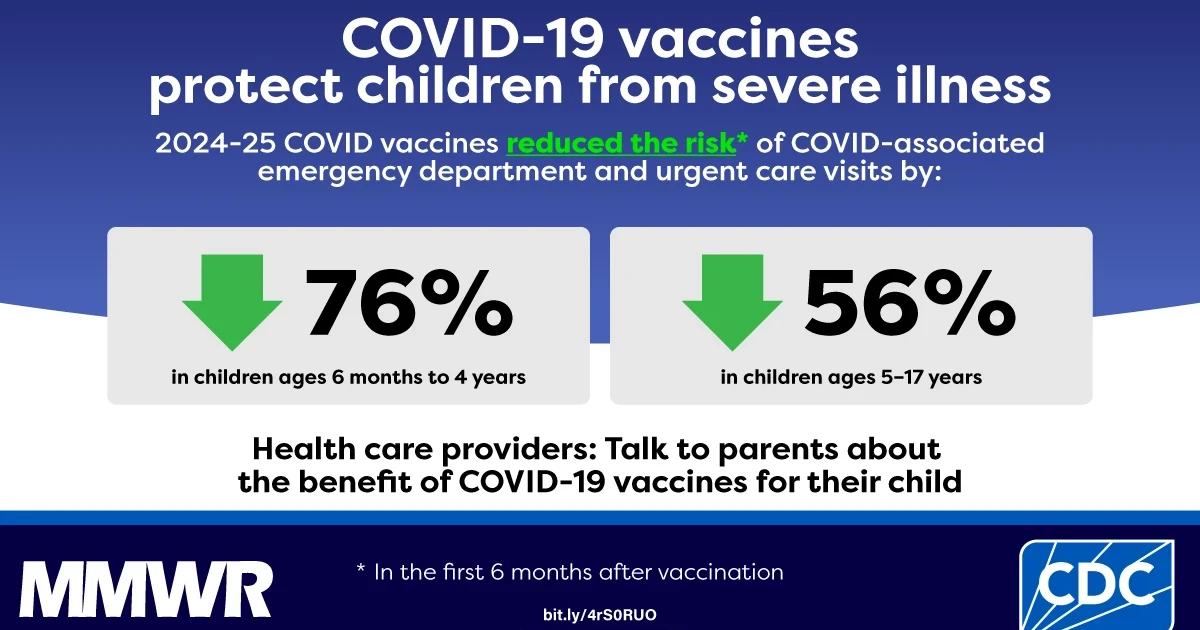
The findings landed in the middle of a broader evidence base showing that annual covid vaccination still offers meaningful protection against severe illness. On Feb. 27, 2025, the CDC reported that the 2024-2025 vaccine was 33% effective against emergency department and urgent care visits among adults 18 and older, and 45% to 46% effective against hospitalization among immunocompetent adults 65 and older. In children, the agency reported 76% effectiveness against emergency department and urgent care visits in immunocompetent children ages 9 months to 4 years, and 56% among ages 5 to 17.

A separate study published Oct. 8, 2025, in the New England Journal of Medicine found that vaccination was 29.3% effective against covid-related emergency department visits, 39.2% effective against hospitalization, and 64.0% effective against death over six months among U.S. veterans. Together, the studies pointed to the same conclusion: the vaccines continued to reduce severe outcomes even as protection against infection itself varied.
The decision drew swift criticism from House Energy and Commerce Committee Democrats Frank Pallone Jr. of New Jersey, Diane DeGette of Colorado, and Yvette Clarke of New York. In a letter to Robert F. Kennedy Jr., they said Bhattacharya’s action “appears to be a deliberate effort to suppress evidence of vaccine effectiveness.” They asked whether he acted alone, whether other HHS political appointees were involved, whether the CDC intended to publish the study, and what safeguards would protect scientific independence. The episode has become a test of whether federal health agencies will let uncomfortable data reach the public.
Sources
- [1]news.google.com
- [2]nbcnews.com
- [3]cidrap.umn.edu
- [4]nejm.org
- [5]cdc.gov