Health
CDC Delay on Infant Hepatitis B Vaccine Sparks Concern
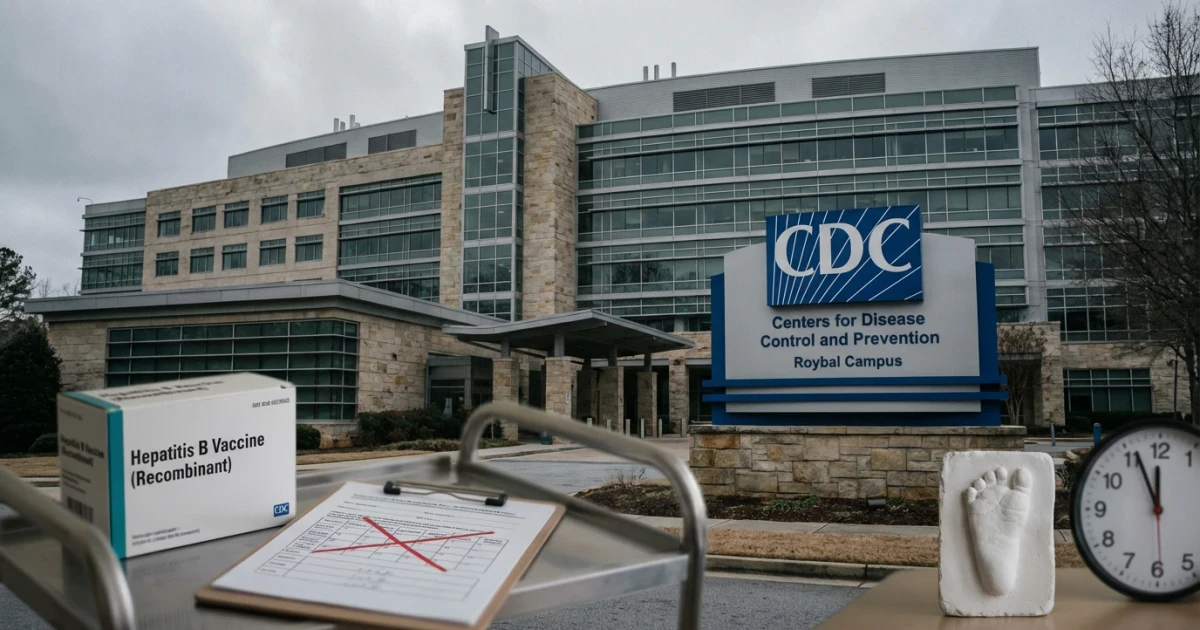
A new CDC recommendation to delay the hepatitis B vaccine for newborns has prompted concern among health experts, who cite recent studies suggesting that reduced vaccination coverage could increase infection rates among infants.
Policy Shift Raises Infection Risks
The CDC’s recommended immunization schedule has traditionally called for administering the hepatitis B vaccine within 24 hours after birth, a practice credited with helping lower infant infection rates in the United States. However, a recent policy change by the CDC recommends postponing the birth dose, a move that has quickly drawn scrutiny from researchers and public health advocates, The Washington Post reported.
Evidence from Recent Studies
According to new research cited by The Washington Post, delays in newborn hepatitis B vaccination are associated with higher rates of infant infection. The findings reflect broader trends reported by the CDC’s viral hepatitis surveillance data, which show that timely vaccination is crucial for preventing transmission. Peer-reviewed studies have shown that infants who do not receive the vaccine shortly after birth are significantly more likely to contract hepatitis B, especially if their mothers are infected.
- Globally, hepatitis B remains a leading cause of chronic liver disease, with WHO data estimating nearly 1.5 million new infections annually.
- In the U.S., timely vaccination coverage for infants has contributed to a marked decline in hepatitis B cases, according to CDC ChildVaxView data.
- A recent research article underscores the impact of delayed birth dose vaccination, showing infection rates among infants increase substantially when the first vaccine is not given promptly.
Expert Concerns and Public Health Implications
While the CDC’s rationale for the delay has not been fully detailed, health experts warn that even a slight reduction in coverage could reverse years of progress in hepatitis B prevention. Studies highlighted by The Washington Post point to historical successes with immediate vaccination, which has helped prevent mother-to-child transmission—a key route for hepatitis B infection in infants.
International analyses from the CDC’s MMWR report also echo these concerns, noting that countries with high birth-dose coverage see dramatically lower rates of infant hepatitis B infection. Delays in vaccination, even by a few days, can expose newborns to preventable risks, particularly in regions with higher maternal hepatitis B prevalence.
Vaccination Rates and Coverage
According to CDC ChildVaxView statistics, U.S. hepatitis B birth dose coverage rates have hovered around 75% in recent years. Policy changes that decrease coverage could push infection rates higher, especially among vulnerable populations.
- The hepatitis B vaccine is highly effective when administered within 24 hours of birth.
- Delaying the dose increases the risk of chronic infection, which can lead to liver disease later in life.
- Mother-to-child transmission accounts for a significant proportion of new hepatitis B cases globally.
Looking Forward: Balancing Policy and Prevention
The CDC’s decision has sparked debate within the medical community, with many urging a reconsideration of the delay. The Washington Post report underscores the urgency of maintaining high vaccination rates to protect newborns and sustain public health gains. As new data emerges, experts emphasize the importance of evidence-based policy to prevent avoidable infections.
With hepatitis B remaining a global and domestic health challenge, the issue highlights the delicate balance between policy decisions and the practical realities of disease prevention. For families and healthcare providers, awareness of the latest recommendations and associated risks is critical. Readers can explore more about hepatitis B transmission and vaccination strategies through the WHO hepatitis B fact sheet and CDC’s viral hepatitis statistics.