Health
CDC investigates Cyclospora outbreak as cases top 400 across four states

More than 400 people had been reported sick in a Cyclospora outbreak spanning Michigan, Ohio, West Virginia and Kentucky, while investigators still had not identified the source. The Centers for Disease Control and Prevention said the cases, logged as of July 13, 2026, included people whose symptoms began on or after June 22.
Public-health officials say the illness, cyclosporiasis, is caused by the microscopic parasite Cyclospora cayetanensis and most often brings watery diarrhea. Symptoms usually begin about a week after exposure, can last from a few days to more than a month, and may fade and then return. The CDC said the true number of sick people is likely higher than the reported count, and that the outbreak may extend beyond the four states now named.
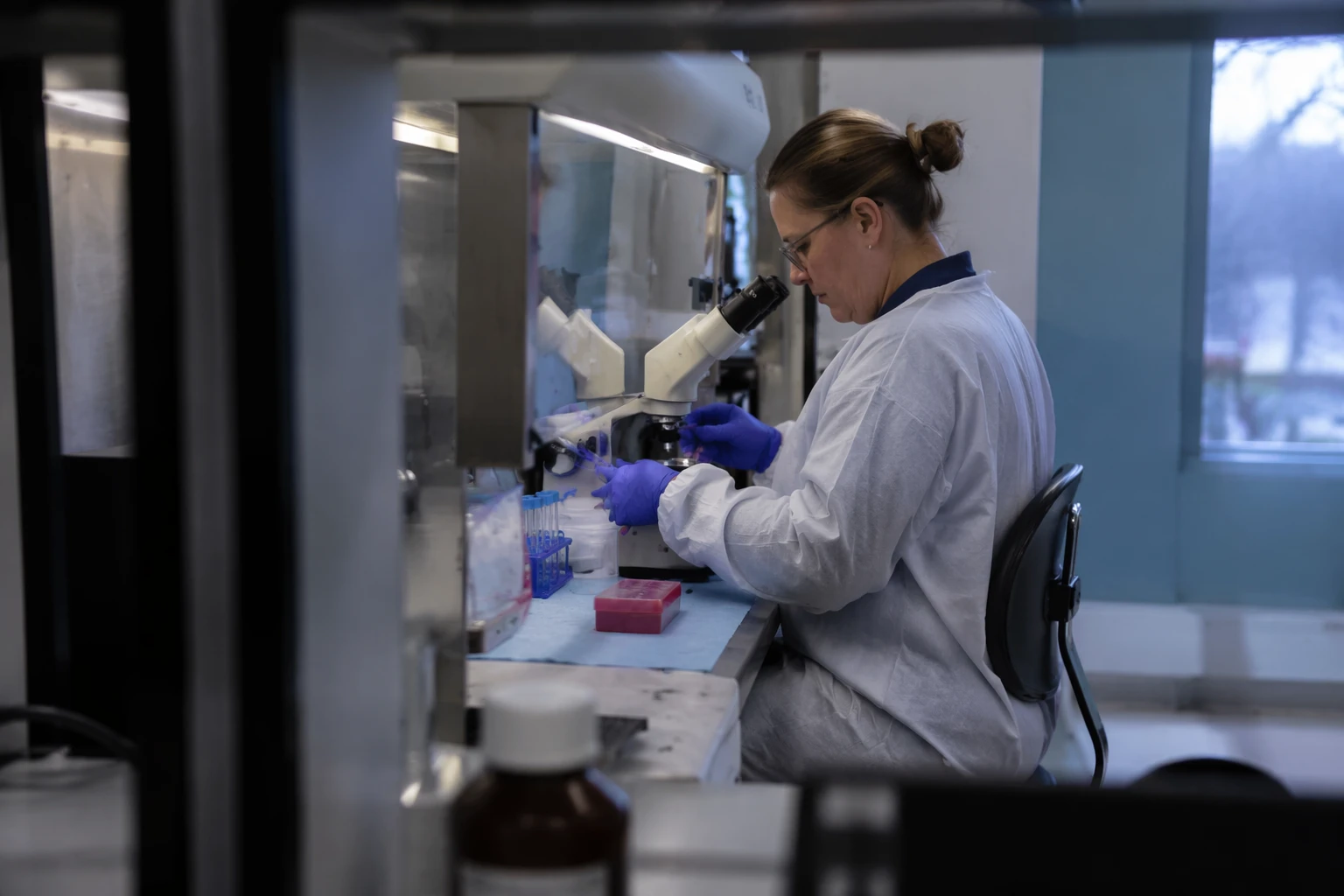
That uncertainty is driving consumers toward social media for answers, but the science behind source-tracing takes time. Cyclospora is generally spread through food or water contaminated with feces, and investigators have repeatedly linked outbreaks to fresh fruits and vegetables, including raw produce that does not get a cooking step. The FDA says cyclosporiasis outbreaks have been associated with fresh fruits and vegetables in the United States and around the world.
The CDC said it monitors cyclosporiasis year-round and works with state health departments to identify outbreaks and prevent additional cases. The FDA’s Cyclospora Task Force is also involved in prevention and research efforts with industry, academia, and state and international governments. That work reflects the central problem in the current outbreak: officials can say where the illness is showing up and how it spreads, but not yet what specific food or water source brought it into homes.
For consumers, the clearest advice remains basic food safety. The CDC says people should avoid food or water that may be contaminated with feces and follow safe food-handling practices. That includes scrubbing firm fruits and vegetables and refrigerating cut, peeled or cooked produce promptly. In an outbreak with an unknown source, that guidance is the most reliable answer while investigators work to narrow down the culprit.
Sources
- [1]cbsnews.com
- [2]cdc.gov
- [3]fda.gov