Health
CDC investigates cyclosporiasis outbreak as cases rise in 31 states
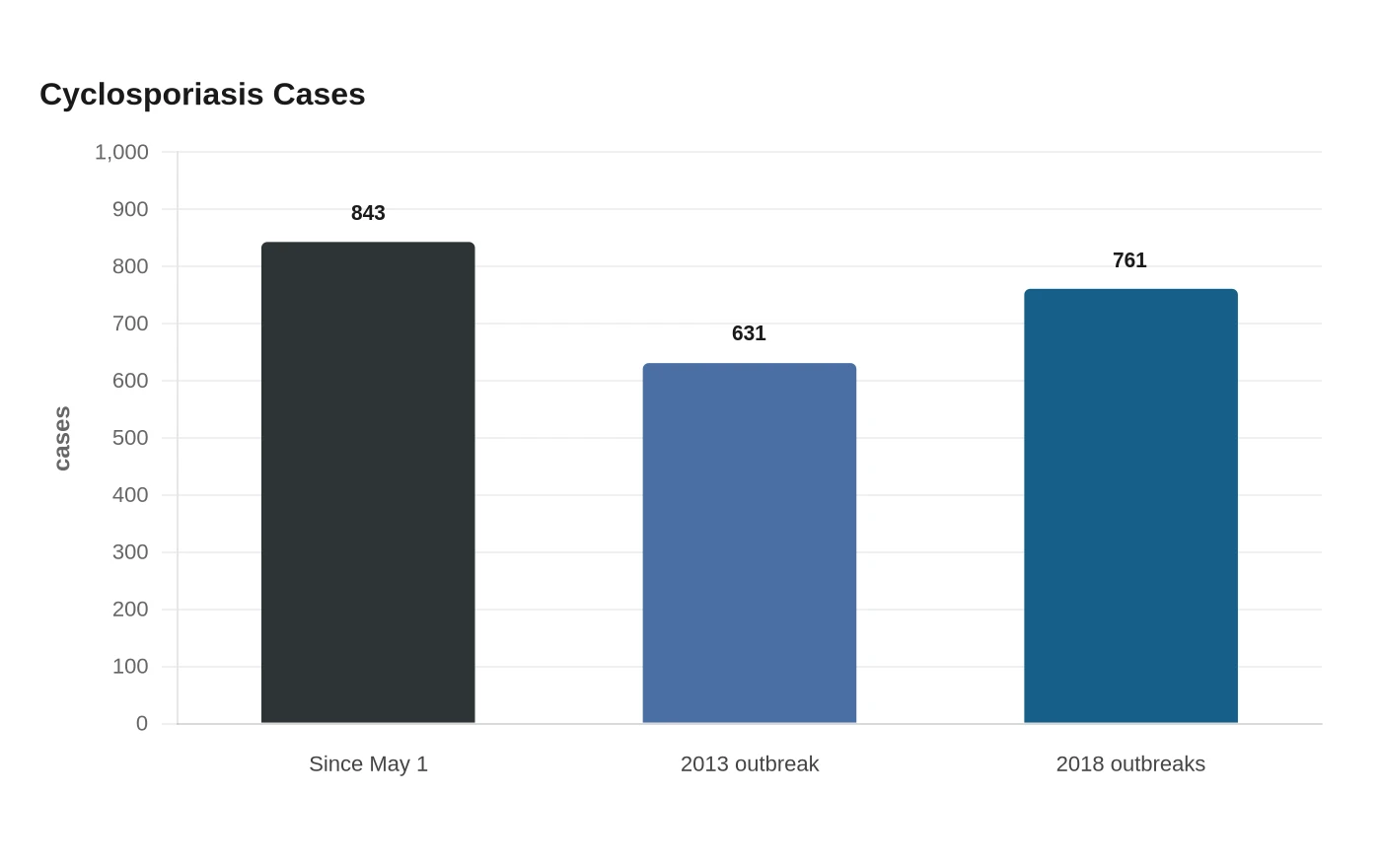
The CDC had received reports of 843 confirmed domestic cyclosporiasis cases since May 1, with more than 1,500 additional reports still being analyzed. Multiple states also logged higher case counts in the last two weeks than during the same period in 2025.
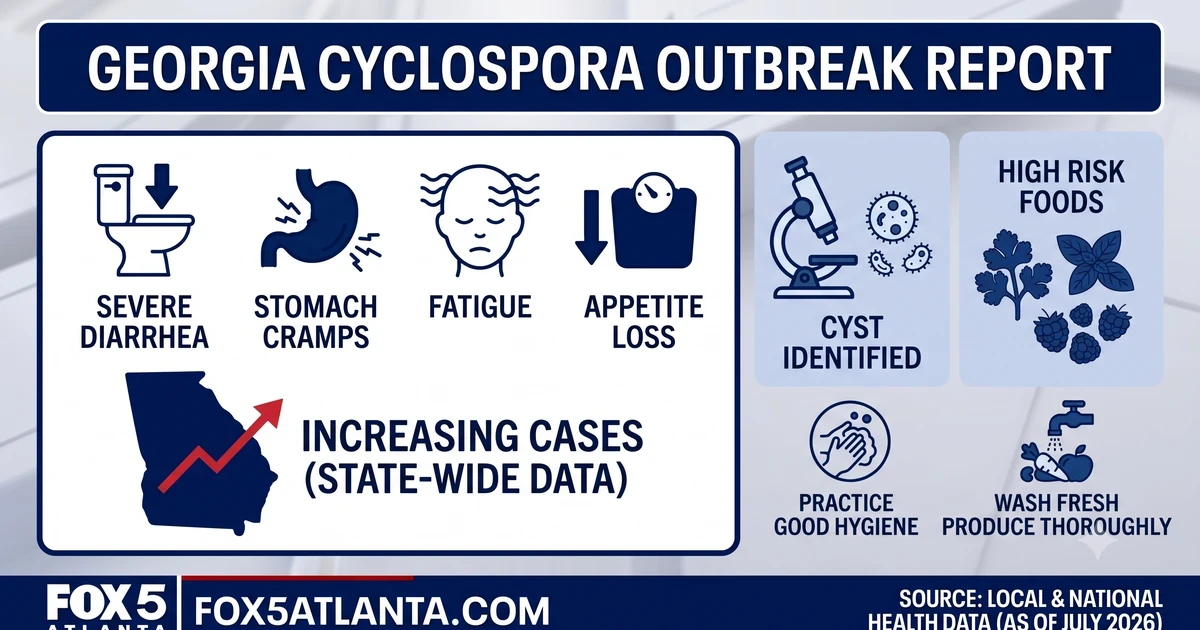
Cyclosporiasis is caused by Cyclospora cayetanensis, a microscopic parasite that usually causes watery diarrhea with frequent, sometimes explosive bowel movements. Symptoms typically begin about one week after infection, can last for weeks or more than a month if untreated, and may relapse. Complications have included malabsorption, cholecystitis and reactive arthritis.

Fresh fruits and vegetables are the food group most often tied to outbreaks because infected people can shed the parasite in feces and contaminate food, water or the environment. That contamination is hard to catch early because the produce may be eaten or discarded before cases are connected, and there are no validated molecular typing tools to link cyclosporiasis cases to one another or to a specific food source.
The CDC recorded 631 cases in a 2013 multistate outbreak that reached 25 states and New York City, and it documented two multistate outbreaks in 2018 that together caused 761 laboratory-confirmed illnesses. One 2018 outbreak was linked to prepackaged vegetable trays sold at a Midwest convenience-store chain, and the supplier voluntarily recalled the trays.

The FDA created a Cyclospora Task Force in 2019 after rising case numbers and the emergence of C. cayetanensis in domestically grown produce, then released a Cyclospora Prevention, Response and Research Action Plan in July 2021.
The illness often begins like a routine stomach bug, but watery diarrhea that lasts, returns or turns severe enough to produce frequent explosive bowel movements is the symptom pattern that should prompt medical evaluation and Cyclospora testing.
Sources
- [1]news.google.com
- [2]cdc.gov
- [3]fda.gov
- [4]today.com