Health
CDC investigates multistate cyclosporiasis outbreak, source still unknown
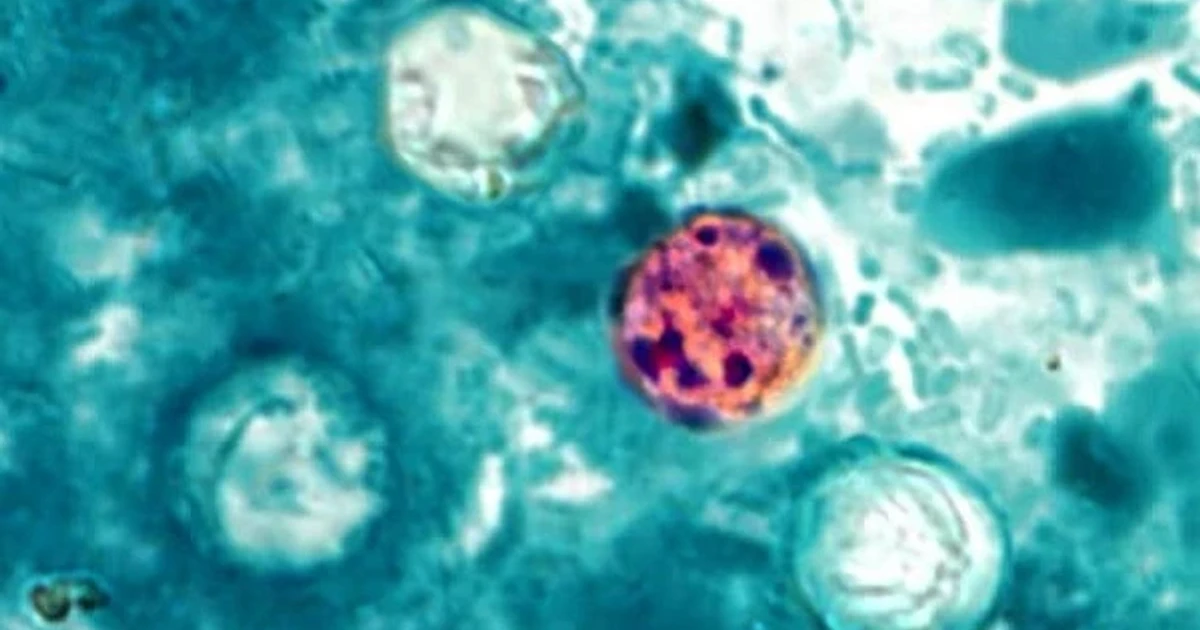
More than 400 Cyclospora infections had been reported to the Centers for Disease Control and Prevention by July 13, with illnesses identified in Michigan, Ohio, West Virginia and Kentucky. Sick people reported symptoms on or after June 22, and federal officials said the true number is likely higher because additional cases were still under investigation and the outbreak may extend beyond the states already named.
For now, the clearest consumer advice is broad but important: avoid food or water that may be contaminated with feces. CDC guidance says Cyclospora is commonly linked to contaminated fresh produce and water, and the parasite does not spread directly from person to person. Routine chemical disinfection or sanitization is unlikely to kill it, which is why washing alone is not a guarantee when contamination has already occurred.
The illness usually begins about one to two weeks after exposure, which can slow the hunt for a common source. In CDC’s July 14 response transcript, officials said infection is typically spread when people consume contaminated food or water, often fresh produce that has not been adequately washed or cooked. That lag matters in outbreaks like this one: by the time people feel sick, the food may already be gone from kitchens, grocery stores and restaurant supply chains.

Symptoms include watery diarrhea, cramping, nausea, loss of appetite, fatigue and low-grade fever. Anyone with those symptoms, especially after eating raw produce or drinking untreated water, may need medical attention if the diarrhea is persistent, severe or leading to dehydration.
Officials still had not identified a specific food or produce item as the source. That uncertainty is common in foodborne outbreak investigations, especially when the likely exposure window stretches across days and symptoms can take up to two weeks to appear. CDC says it monitors cyclosporiasis year-round with state and federal health and regulatory partners precisely because outbreaks can be tied to a common food source in the United States, even when the contamination is first detected far from the original point of production.

Cyclospora infections also can be acquired outside the United States through contaminated food or water during travel, and public health officials are treating the current outbreak as part of a wider surveillance picture rather than a single-state event. Until the source is found, the practical advice remains the same: be cautious with raw produce, watch for symptoms, and seek care if illness develops after a possible exposure.
Sources
- [1]news.google.com
- [2]cdc.gov
- [3]health.yahoo.com
- [4]yahoo.com