Health
CDC investigates multistate listeria outbreak linked to soft cheese
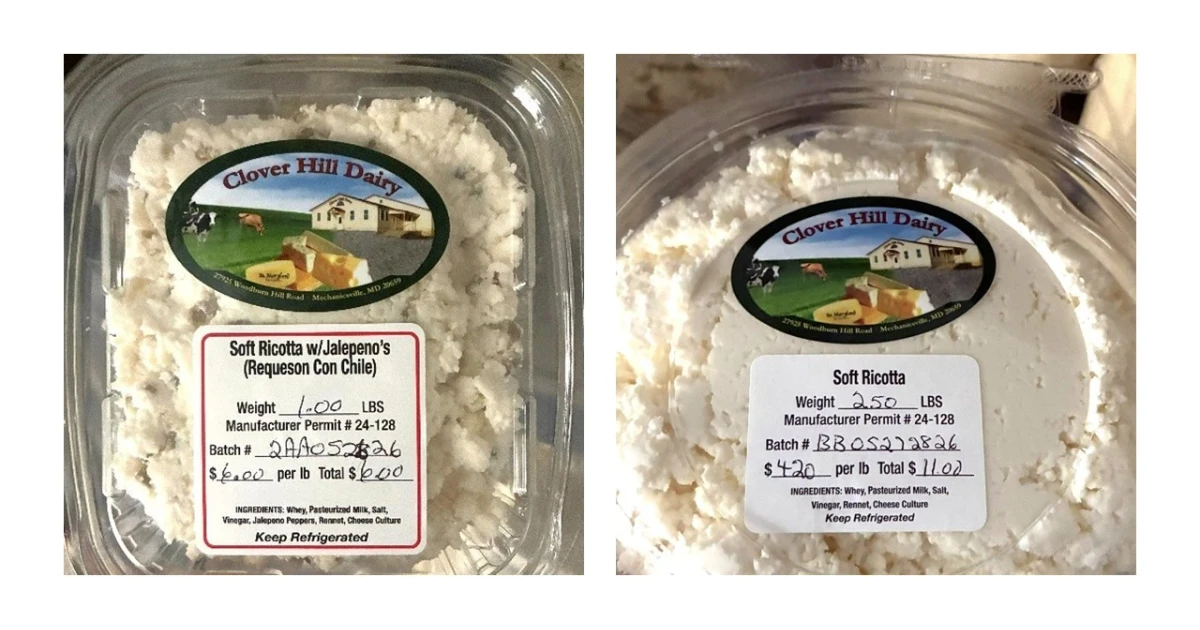
Pregnant people, adults over 65 and anyone with weakened immunity face the greatest danger from the recalled soft cheese now tied to a multistate listeria outbreak. The Centers for Disease Control and Prevention said consumers should not eat the products, and anyone with them at home should throw them out or return them to the store, then clean refrigerators, containers and any surfaces the cheese touched.
The outbreak remained open as of June 18, with the CDC listing 9 cases, 8 hospitalizations and 1 death across 3 states. The first public warning came on June 5, when health officials said 8 people in Maryland, New York and Virginia had fallen ill, 7 had been hospitalized and one Maryland resident had died. The suspected source is requesón, also described as soft ricotta cheese, made by Clover Hill Dairy of Mechanicsville, Maryland.
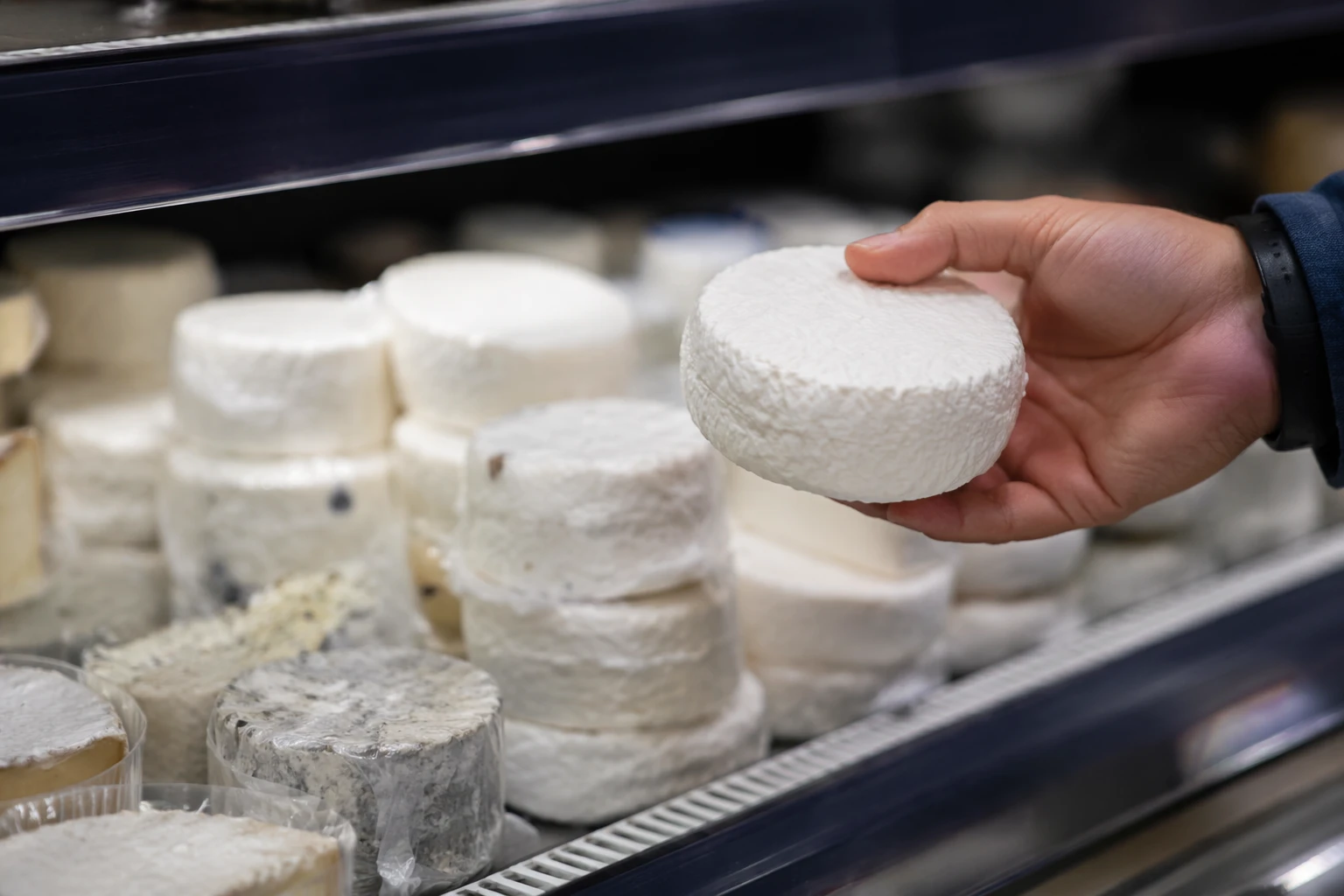
State and federal investigators traced the product through a wide distribution network that reached Maryland, Virginia, Washington, D.C., New York, New Jersey and North Carolina, with some products possibly shipped beyond those states. The FDA said the cheese moved from May 4 through May 30 through bulk distributors, retail stores, farmers markets and direct sales to consumers. Maryland’s Department of Health suspended Clover Hill Dairy’s operating license on May 30, then expanded a consumer advisory on June 14 to include all Clover Hill Dairy cheese products.
Testing strengthened the case against the facility. The FDA said six samples of requesón cheese and one environmental sample tested positive for Listeria monocytogenes and matched the outbreak strain. Clover Hill Dairy issued a voluntary recall on June 3 for its soft ricotta or requesón cheese, and that recall later expanded on June 14 to cover all cheeses made at the plant.


Listeria is especially dangerous because it can survive in the refrigerator and spread to other foods and kitchen surfaces. The CDC warned it can cause pregnancy loss, premature birth and life-threatening infection in newborns, making the current case count only part of the public-health risk. Investigators are still working to determine whether more cheeses are linked to the outbreak, and officials have said additional illnesses may yet be found as the recall reaches more consumers.
Sources
- [1]cdc.gov
- [2]fda.gov
- [3]health.maryland.gov
- [4]foodsafetynews.com