Health
CDC Issues Warning Over Backyard Poultry Salmonella Outbreak
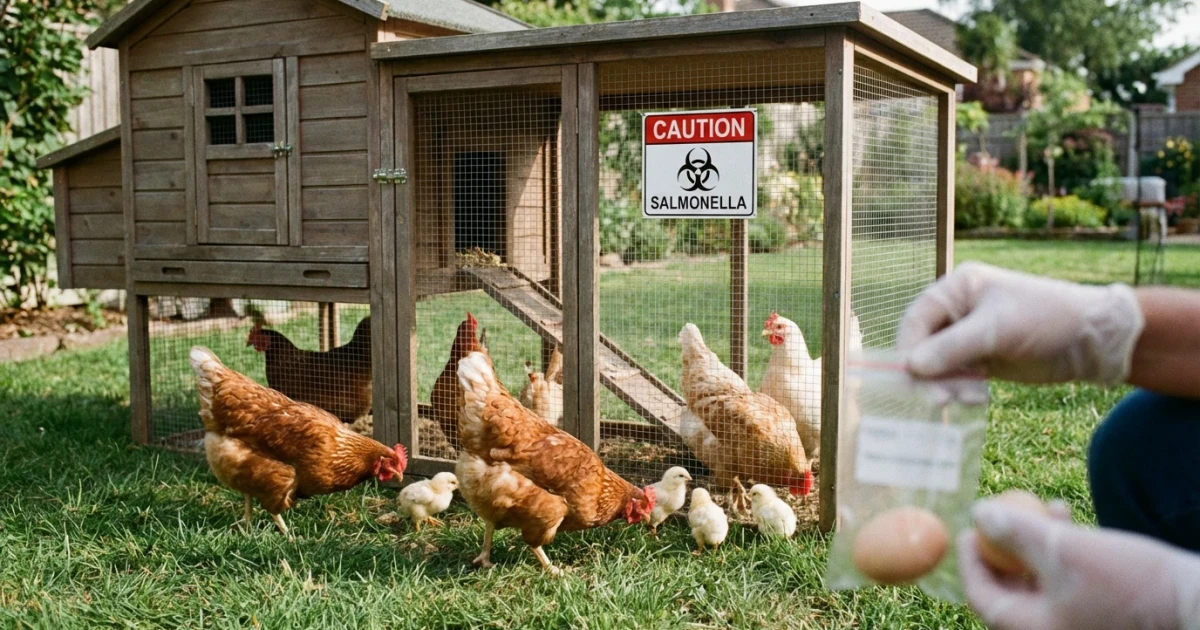
The Centers for Disease Control and Prevention (CDC) has issued a warning regarding a recent outbreak of drug-resistant Salmonella infections linked to backyard poultry flocks. Health officials are urging poultry owners and the public to take extra precautions as the number of reported cases continues to rise nationwide.
CDC Confirms New Outbreak
According to ABC News, the CDC confirmed that a new Salmonella outbreak has been traced to contact with backyard poultry such as chickens and ducks. While Salmonella outbreaks connected to live poultry are not uncommon, officials are particularly concerned about strains that show resistance to multiple antibiotics, complicating treatment options for those affected.
Drug-Resistant Salmonella: A Growing Concern
Drug-resistant Salmonella infections are especially worrisome for health authorities. The CDC warns that these infections can be more severe and lead to higher rates of hospitalization. According to the agency's National Antimicrobial Resistance Monitoring System (NARMS) reports, a growing percentage of Salmonella cases in the United States involve strains that are resistant to one or more common antibiotics.
- Drug-resistant Salmonella can result in longer illnesses and more complicated treatment for vulnerable groups such as children, older adults, and those with weakened immune systems.
- Antibiotic resistance in Salmonella bacteria is monitored closely due to its implications for both human and animal health.
How Backyard Poultry Spread Salmonella
Many people are unaware that healthy-looking poultry can carry Salmonella bacteria in their droppings, which can easily spread to feathers, cages, coops, and even the hands of people handling the birds. The CDC notes that outbreaks occur regularly, with seasonal spikes in the spring and summer when more people purchase live poultry for backyard flocks.
According to the CDC’s data tables, hundreds of Salmonella cases are linked to backyard poultry each year, with a significant portion of those affected being children under the age of five.
Symptoms and Prevention
Salmonella infections can cause a range of symptoms, including:
- Diarrhea
- Fever
- Stomach cramps
- Vomiting
While most healthy adults recover without treatment, drug-resistant infections may require more intensive care and can result in hospitalization. The CDC strongly urges backyard poultry owners to follow recommended safety measures, such as:
- Washing hands thoroughly with soap and water after handling poultry or touching their environments
- Avoiding contact between poultry and children under five, older adults, or immunocompromised individuals
- Keeping poultry out of the home, especially kitchens and areas where food is prepared
- Using designated clothing and footwear when caring for poultry
For more prevention tips and risk factors, the CDC provides a comprehensive explainer on Salmonella and backyard poultry.
Tracking the Outbreak
The CDC is actively investigating the current outbreak and updating case counts as new data becomes available. Readers can follow the latest statistics and affected regions on the agency’s interactive Salmonella outbreak map. Public health officials continue to coordinate with state and local agencies to trace sources and limit the spread of infection.
Looking Ahead
This latest warning underscores ongoing challenges in preventing Salmonella infections and the growing threat of antibiotic resistance. As backyard poultry keeping remains popular, experts emphasize that awareness and proper hygiene are critical to keeping both humans and animals healthy. The CDC encourages the public to stay informed on the risks and follow recommended guidelines to reduce the spread of infection while enjoying backyard flocks safely.