Health
CDC links cyclosporiasis outbreaks to fresh produce, source still unknown
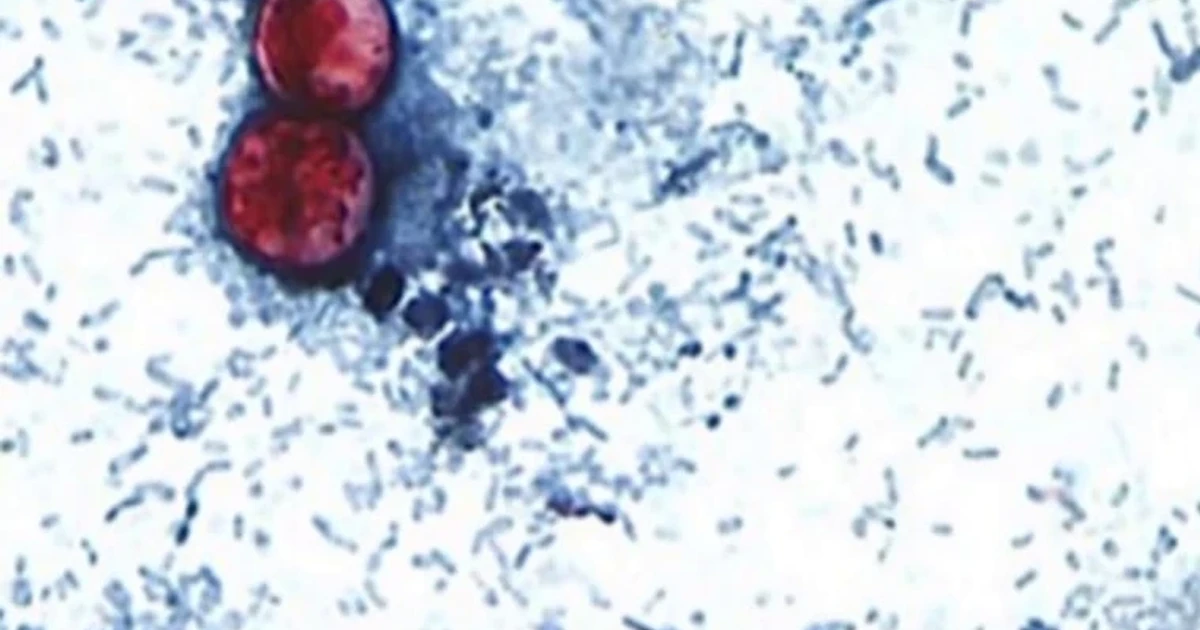
Fresh produce remains the leading suspect in cyclosporiasis outbreaks, even as federal investigators have not pinned down the source. The intestinal illness comes from Cyclospora cayetanensis, a microscopic parasite, and the Centers for Disease Control and Prevention says U.S. outbreaks have repeatedly been tied to fruits and vegetables, including raspberries, basil, snow peas, mesclun lettuce, cilantro and salad mixes.
That uncertainty matters because cyclosporiasis can be hard to spot and hard to trace. The CDC says symptoms usually begin about one week after exposure, but the incubation period can be as short as 2 days or stretch to 2 weeks or more. Common signs include watery diarrhea, abdominal cramps, loss of appetite, weight loss, bloating, increased gas, nausea and fatigue. Untreated infections can last 10 to 12 weeks and may relapse, and the CDC says people can be infected more than once.
Testing adds another obstacle. Many U.S. laboratories do not routinely test for Cyclospora, so clinicians must specifically request it. The CDC monitors the illness year-round, but case counts rise in spring and summer, and the agency considers cyclosporiasis season to run from May 1 through August 31.
The outbreak history shows how often investigators have had to work backward from illness clusters to a food item that may already be gone. In 2013, the CDC reported 631 cases in a multistate outbreak spanning 25 states and New York City. In 2018, two multistate outbreaks produced 761 laboratory-confirmed cases. FDA has also said recurring outbreaks in 2012, 2013, 2014 and 2015 were associated with fresh cilantro from Puebla, Mexico.
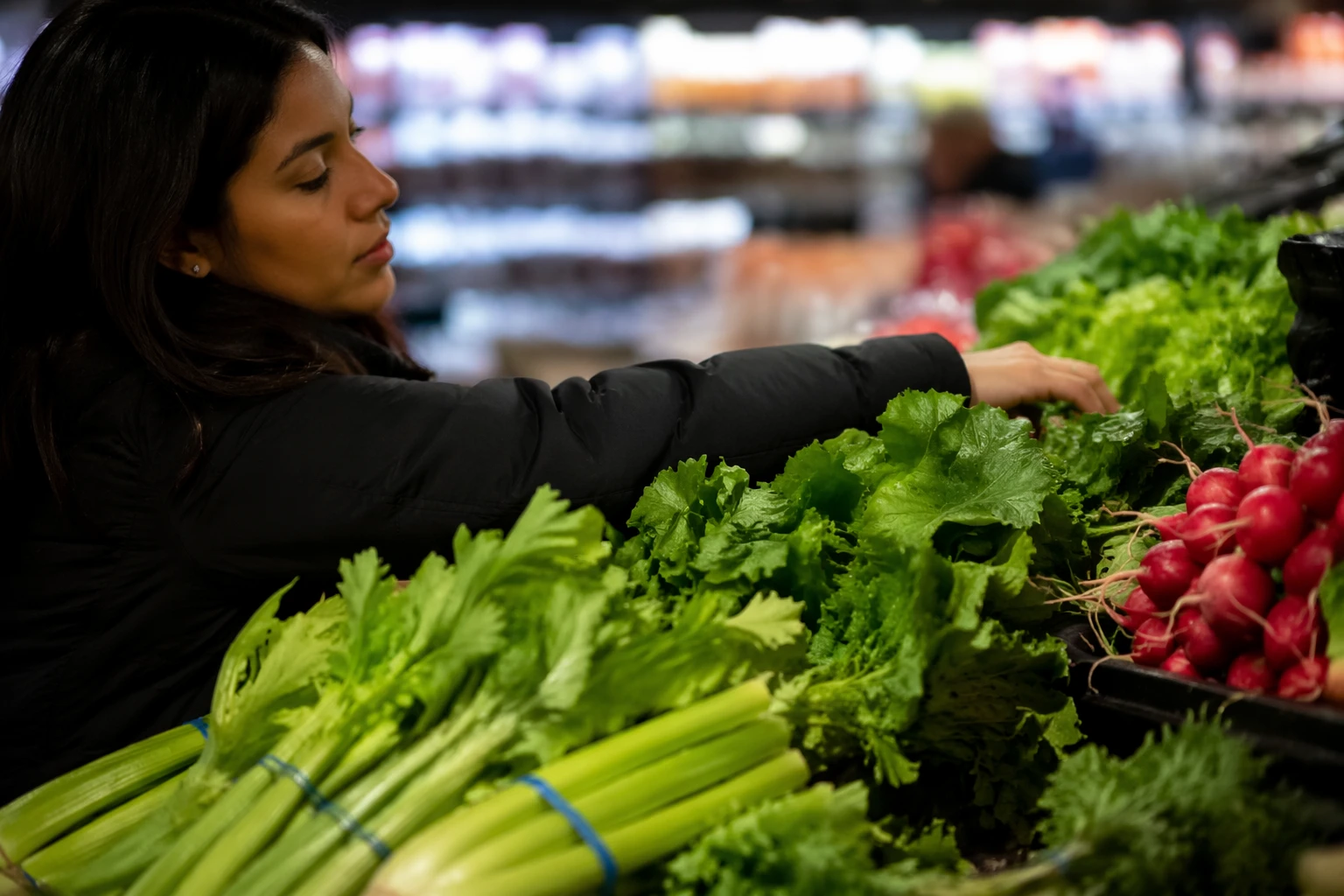
Health officials say the investigation process relies on state and local public health officials working with federal regulators to compare patient interviews, food histories and laboratory evidence. The CDC says better molecular-level tools are still being developed to link cases to foods and sources, a reminder that even when produce is the likely vehicle, the exact farm, distributor or ingredient mix may remain unknown.
For consumers, the most practical response is to treat prolonged diarrhea after eating fresh produce as a reason to seek medical care and mention Cyclospora testing specifically. The parasite is the only known host in humans, according to FDA, and that leaves investigators looking for a contamination point in a food chain that can stretch across states and borders before the source is finally identified.
Sources
- [1]nbcnews.com
- [2]cdc.gov
- [3]fda.gov
- [4]accessdata.fda.gov