Health
CDC Links Salmonella Outbreak to Backyard Chickens
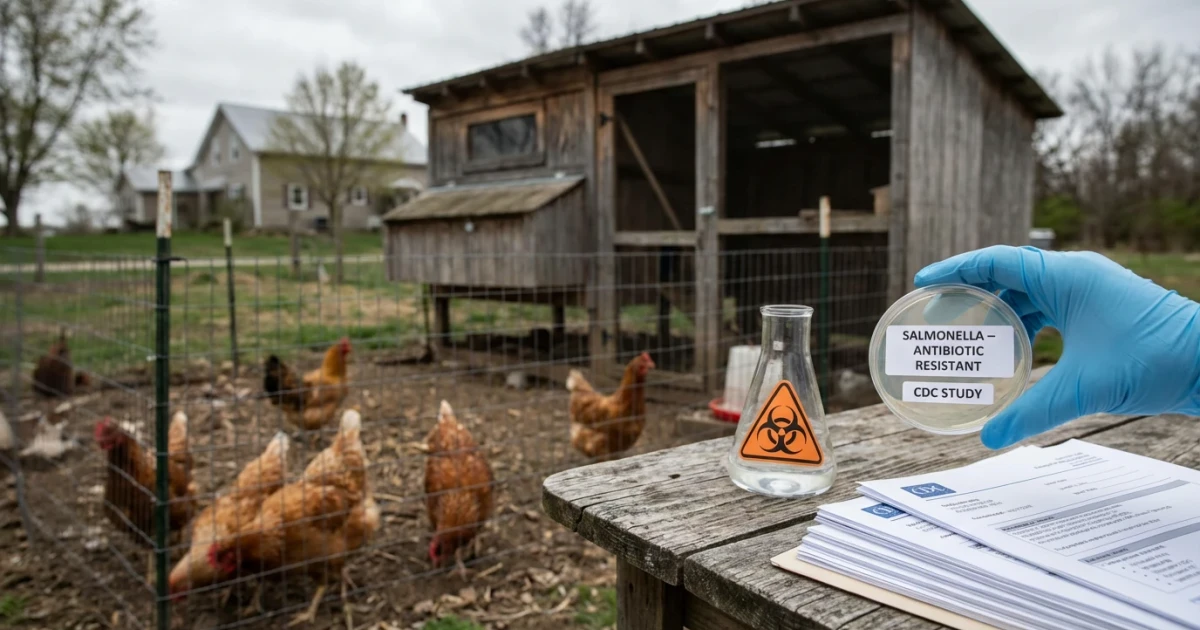
CDC officials are sounding the alarm about a recent Salmonella outbreak spanning 13 states, linked to backyard poultry flocks. The agency reports that these outbreaks are not only increasing in frequency but are also showing signs of antibiotic resistance, a trend that has public health ramifications nationwide.
Outbreak Details and State Impact
According to the CDC, backyard chicken owners in 13 states have reported Salmonella infections tied directly to contact with live poultry. The CDC’s outbreak investigation page provides a breakdown of case counts by state, maps, and a timeline of the outbreak’s progression. While the agency has not published exact numbers in the initial announcement, previous annual reports suggest hundreds of cases are typically linked to poultry outbreaks each year.
- Reported cases span across the Midwest, South, and Pacific Northwest.
- Most patients are children under the age of 5, a demographic consistently affected in past outbreaks.
- The CDC’s annual surveillance report shows that Salmonella is one of the most common foodborne illnesses in the US.
Antibiotic Resistance Raises Concern
One of the most concerning developments is the detection of antibiotic-resistant Salmonella strains in samples collected from infected individuals. The CDC notes that resistance patterns are becoming more prevalent, complicating treatment options. This trend is corroborated by the National Antimicrobial Resistance Monitoring System (NARMS), which tracks resistance in foodborne pathogens and has documented a steady rise in resistant Salmonella isolates over recent years.
- Affected patients sometimes require more intensive care due to treatment failures with common antibiotics.
- Antibiotic resistance in Salmonella is frequently linked to misuse of antibiotics in animal agriculture, including backyard flocks.
- Peer-reviewed research highlights that backyard poultry can harbor resistant strains, posing risks to both owners and their communities.
Transmission and Prevention
Salmonella is primarily transmitted through direct contact with infected birds or contaminated environments. The CDC explains that even healthy-appearing chickens can carry the bacteria. Backyard poultry are a known source of zoonotic diseases, with outbreaks often linked to improper handling or hygiene lapses.
- Handwashing after handling birds or equipment is strongly recommended.
- Children should be supervised when interacting with poultry.
- Eggs should be cooked thoroughly and surfaces cleaned after contact.
The CDC advises owners to follow strict biosecurity protocols and avoid unnecessary antibiotic use, echoing the agency’s antibiotic stewardship initiatives aimed at slowing resistance development.
Broader Implications and Community Response
As backyard poultry keeping grows in popularity, the risks associated with zoonotic infections and antibiotic resistance are expected to rise. Public health experts urge a balance between the enjoyment and benefits of raising chickens and the responsibilities that come with preventing disease transmission.
With ongoing surveillance and education efforts, the CDC aims to reduce future outbreaks. Researchers continue to monitor resistance trends, emphasizing the need for targeted interventions and responsible animal husbandry.
For more information on Salmonella prevention, outbreak details, and antibiotic resistance trends, readers can explore the CDC’s official outbreak investigation page, antibiotic resistance data, and annual surveillance reports.