Health
CDC releases $107 million to fight Ebola outbreak in Congo and Uganda
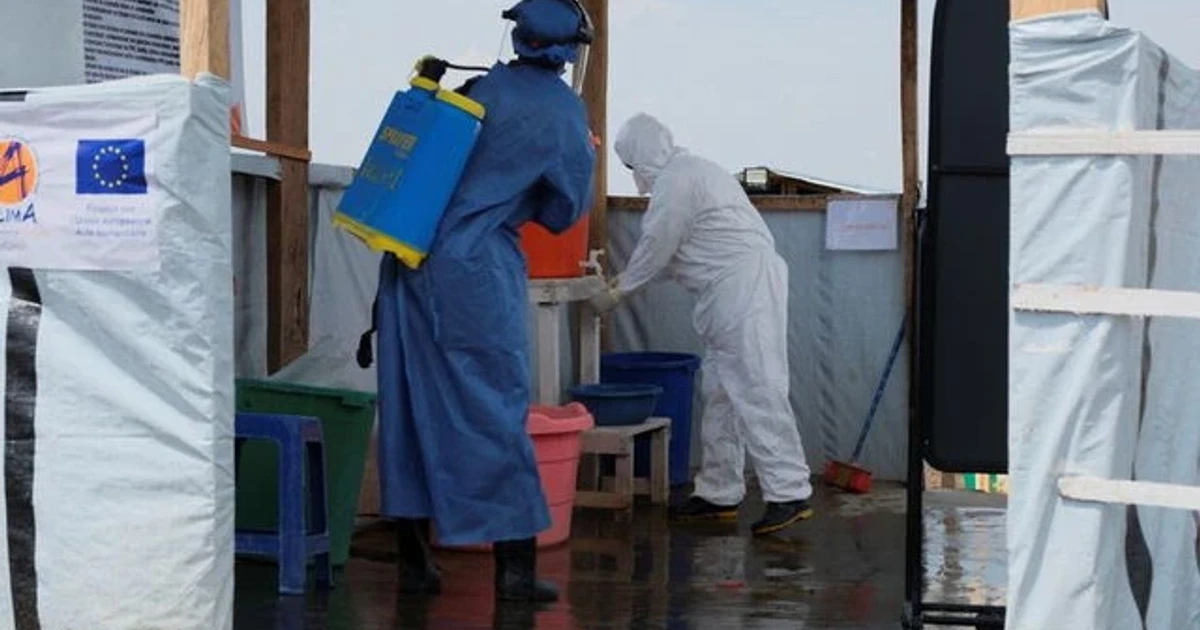
The Centers for Disease Control and Prevention moved to release $107 million in emergency funding as Ebola spread across the Democratic Republic of the Congo and Uganda, a push aimed at bolstering surveillance, diagnostic testing, border health checks and field operations before the outbreak threatens wider regional stability. U.S. health officials said no cases linked to this outbreak have been confirmed in the United States and that the risk to the American public remains low.
The money arrives as the outbreak, caused by the rare Bundibugyo strain, has become the largest of its kind on record. The World Health Organization said the outbreak was confirmed in May 2026 and warned it is unfolding in a difficult setting marked by humanitarian crisis, insecurity, dense population, and heavy movement of people and goods. The agency said the virus has no licensed vaccine or specific treatment, even as candidates are being studied.
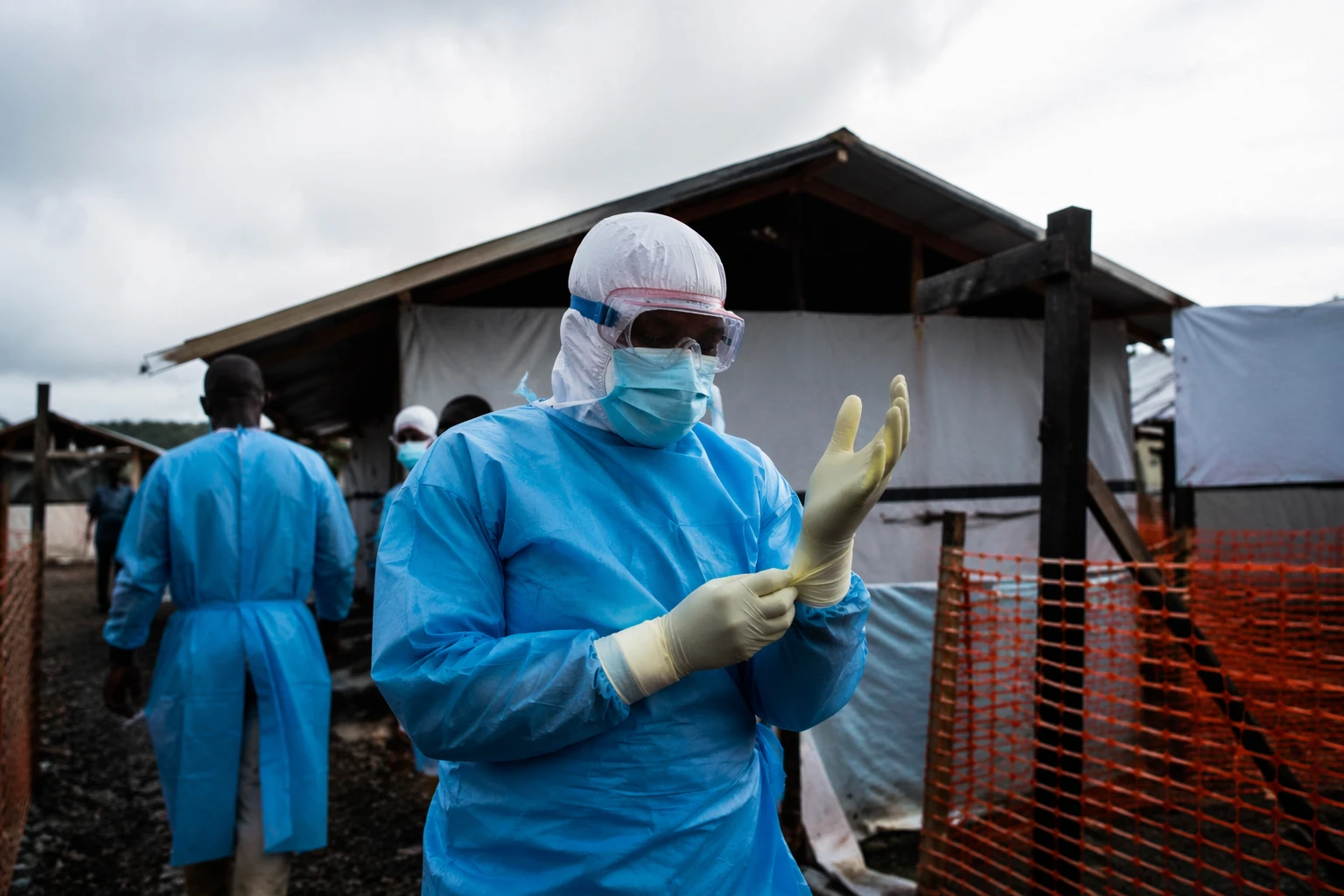
By June 6, the World Health Organization had reported 515 confirmed cases and 91 confirmed deaths in the Democratic Republic of the Congo, along with 19 confirmed cases in Uganda, two deaths there and one probable death. By June 16, the European Centre for Disease Prevention and Control said the DRC had 837 confirmed cases and 196 confirmed deaths, with 376 people hospitalized in isolation. Health authorities in the two countries declared outbreaks on May 15, and the World Health Organization declared a Public Health Emergency of International Concern two days later.
Dr. Satish Pillai, the CDC incident manager for the response, said the agency already had 23 field staff supporting epidemiological investigations and work with the DRC health ministry, with more than 125 CDC staff operating across the two countries. The CDC said its teams were helping communities accept surveillance, isolation and safe-burial measures while also supporting laboratories and ports of entry. In Uganda, CDC workers were assisting with border-health support and airport screening assessments, underscoring how quickly the response has been treated as a cross-border containment effort.
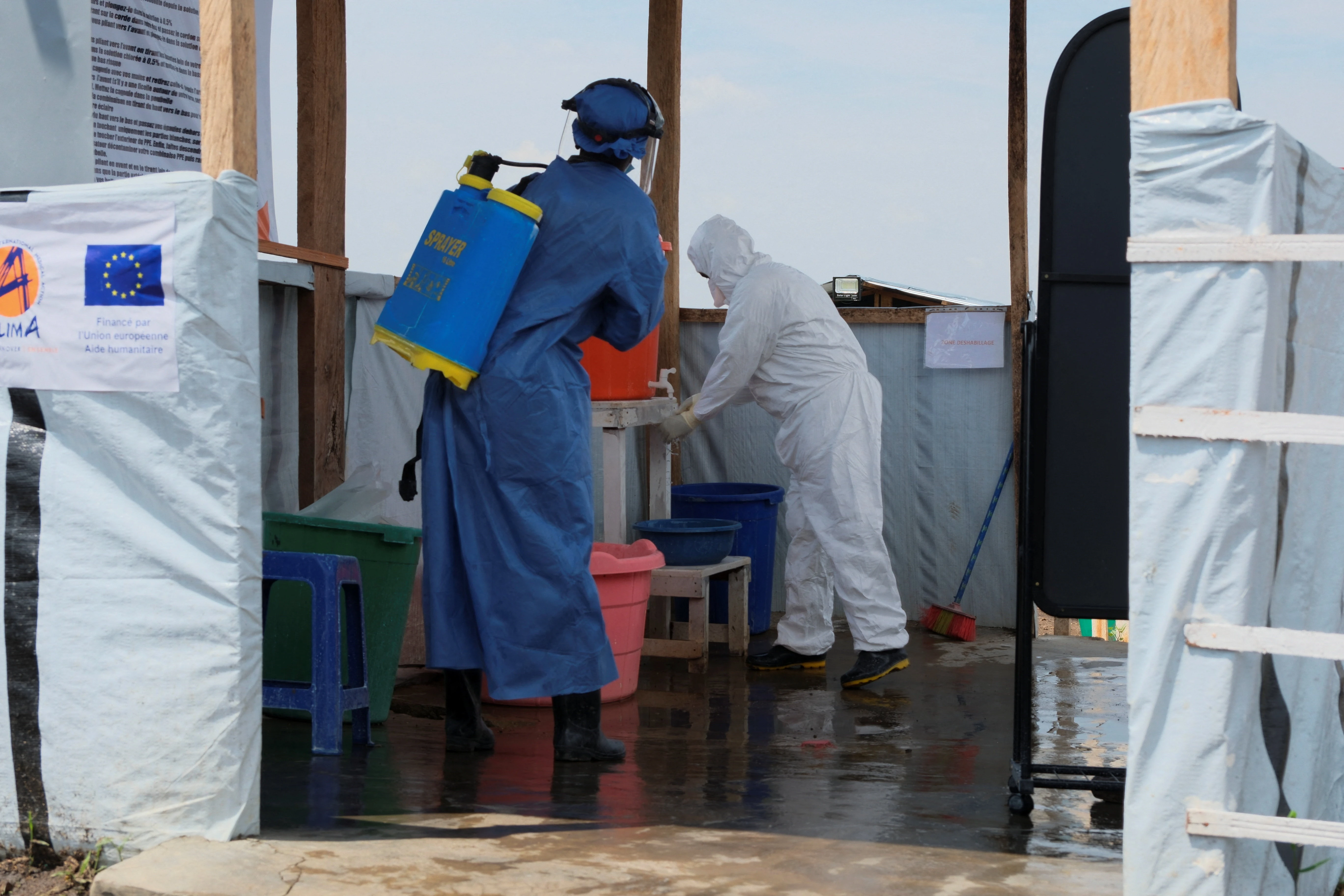
The funding also reflects lessons from earlier Ebola crises. CDC says Bundibugyo virus previously caused outbreaks in Uganda in 2007, with 149 suspected cases and 37 deaths, and in the DRC in 2012, with 56 laboratory-confirmed cases and 17 deaths. The 2026 outbreak has already surpassed both, and officials have been warning that donor financing has lagged the pace of the emergency. Reuters said donors had pledged $910 million, but less than $90 million had actually been released for the affected countries.

Even as the immediate focus remains Africa, U.S. planners are preparing for a low-probability domestic scenario. Pillai said the risk to the United States remains low, but the CDC is getting ready for the unlikely event of a case at home. The agency’s World Cup preparedness team is also coordinating with the Ebola response team and holding twice-weekly calls with officials in the 11 U.S. host cities, a reminder that outbreak containment now runs through public health, border controls and political readiness at once.
Sources
- [1]usnews.com
- [2]cdc.gov
- [3]who.int
- [4]ecdc.europa.eu
- [5]reuters.com