Health
CDC study finds wider alpha-gal allergy risk in five states
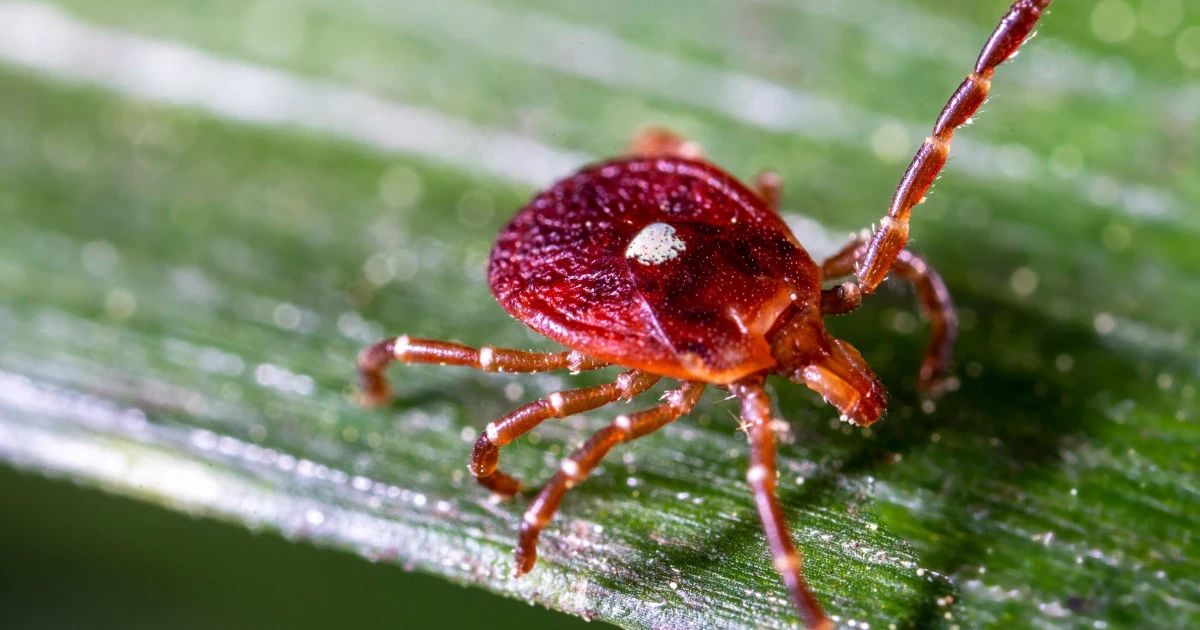
Nearly a quarter of adults in Arkansas, Kentucky, Missouri, Tennessee and Virginia were estimated to have alpha-gal antibodies in their blood, a marker of exposure tied to the tick-borne allergy that can make red meat dangerous. The new CDC-supported research shows the risk is broader than many doctors and patients have understood, especially in places where lone star ticks are common.
Alpha-gal syndrome can develop after a tick bite and can become serious or life-threatening. It often goes unrecognized because symptoms may not show up until several hours after eating red meat, leaving patients and clinicians to miss the connection. Reactions can include hives, swelling, nausea, vomiting, abdominal pain, diarrhea and anaphylaxis, and the condition can also be triggered by meat byproducts such as gelatin.
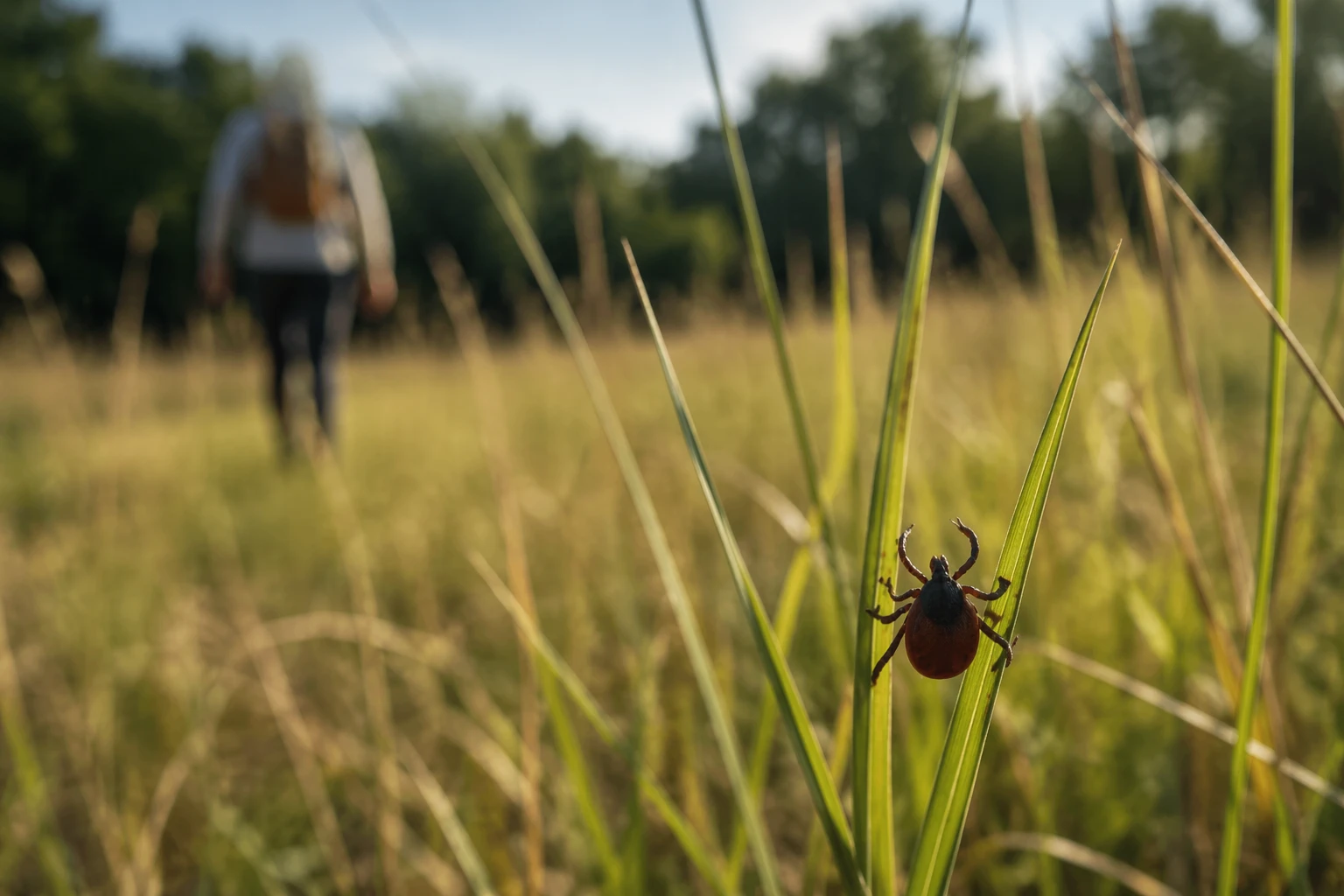
The new analysis examined blood samples from 3,000 adults in 10 states collected from November 2024 through April 2025. Antibodies do not mean a person has confirmed alpha-gal syndrome, only that they may have been exposed and could be at risk. The earlier CDC estimate put the number of Americans who could have alpha-gal syndrome at about 450,000, but the true prevalence remains unknown because only a handful of state health departments require reporting and the condition is not nationally notifiable.
In a CDC analysis published in 2023, more than 34,000 suspected cases were identified in the United States from 2010 through 2018, and 90,018 positive alpha-gal antibody tests were recorded from 2017 through 2022 among 295,400 people tested. Suspected cases were concentrated in the South, Midwest and Mid-Atlantic, but also appeared outside the lone star tick’s known range.
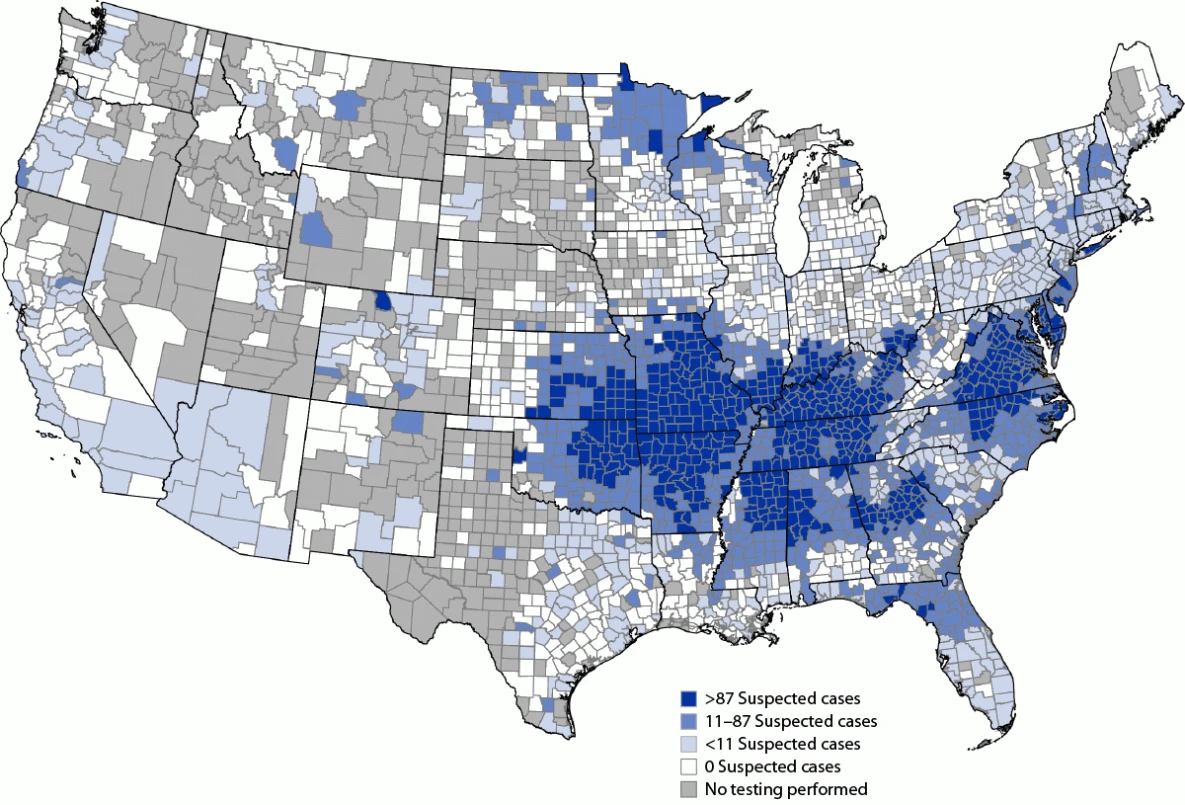
Virginia Commonwealth University researchers found a 100-fold increase in positive alpha-gal antibody test results between 2013 and 2024, and patients often go years without answers because the delayed reaction makes the allergy hard to connect to a meal. Clinicians should ask about tick exposure, and patients in affected states should watch for delayed reactions after meat and avoid lone star tick bites whenever possible.
Sources
- [1]nbcnews.com
- [2]cdc.gov
- [3]vcuhealth.org