Health
CDC Suspends Dozens of Infectious Disease Tests
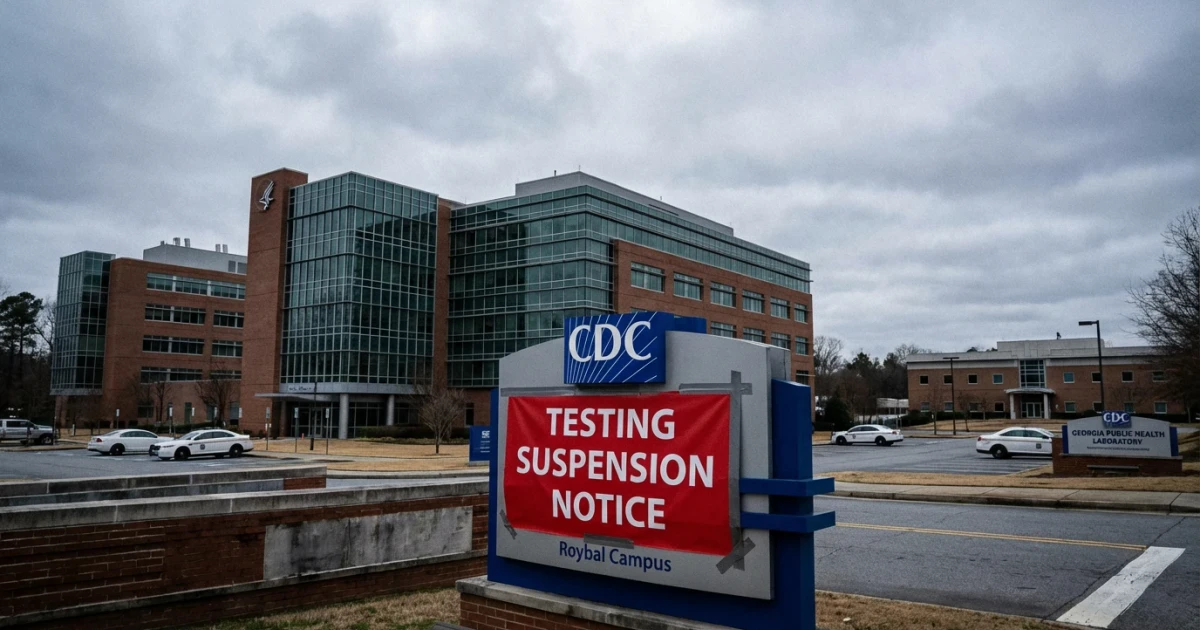
The Centers for Disease Control and Prevention (CDC) has announced a temporary suspension of dozens of infectious disease laboratory tests, including those for rabies and poxviruses. The pause, first reported on Sunday, has led state public health laboratories to ramp up their efforts to fill potential gaps in national disease surveillance.
Testing Pause Impacts Key Diseases
The CDC’s decision to halt a range of diagnostic tests comes as part of an internal review of laboratory procedures and quality controls. Among the tests paused are those used to detect rabies and several poxviruses, which are critical for both public health surveillance and outbreak response. According to CDC public health laboratory programs, these tests play a key role in supporting local and state health departments in identifying and responding to infectious threats.
- Rabies testing is vital for monitoring potential exposures in humans and animals, as reflected in annual surveillance data.
- Poxvirus diagnostics are essential for tracking diseases like monkeypox and smallpox, with protocols detailed by the CDC Poxvirus Laboratory.
State Labs Step In to Maintain Surveillance
With the CDC’s temporary pause, the responsibility for testing has increasingly shifted to state public health laboratories. The Association of Public Health Laboratories has outlined how local labs are equipped to conduct a range of infectious disease tests, but the sudden increase in demand could stretch resources and impact turnaround times.
While state labs routinely handle a variety of infectious disease diagnostics, the CDC typically serves as a reference laboratory—providing advanced testing capabilities and confirming unusual or complex cases. The current pause may delay confirmation of rare diseases and complicate national surveillance efforts.
Concerns Over Surveillance and Outbreak Response
Public health experts highlight potential risks associated with the pause in testing, particularly for diseases that require rapid identification and response. According to CDC infectious disease surveillance systems, timely laboratory data is essential for detecting outbreaks, guiding interventions, and preventing disease spread.
- Rabies is nearly always fatal if not promptly treated, making rapid testing and exposure monitoring a public health priority.
- Poxvirus surveillance is critical for early detection of emerging variants and containment of outbreaks.
Though state labs are stepping up, there is concern about potential delays in detecting and responding to cases, especially in regions with limited laboratory infrastructure.
Looking Ahead
The CDC has not indicated when paused tests will resume or provided details on the scope of the review. Until testing is reinstated, state and local laboratories will continue to play a pivotal role in maintaining disease surveillance and protecting public health.
The pause underscores the importance of a robust, coordinated laboratory network and highlights the challenges faced by public health systems during periods of operational transition.