Health
CDC Suspends Testing for Rabies, Pox Viruses Amid Staff Shortage
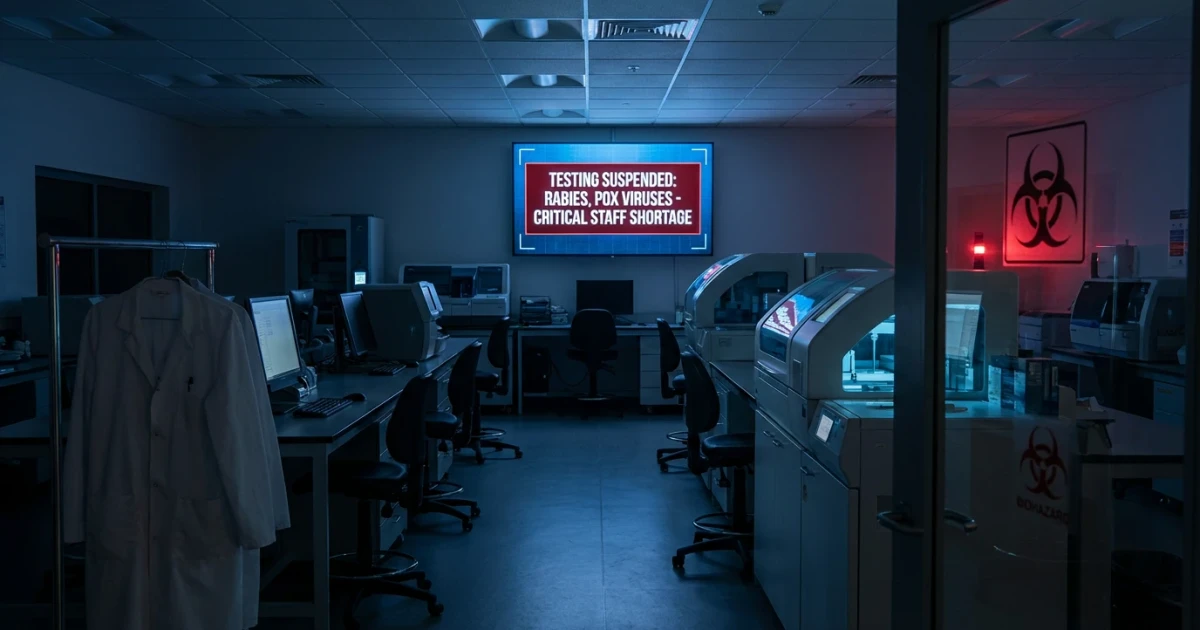
The Centers for Disease Control and Prevention (CDC) has announced a temporary suspension of laboratory testing for several high-consequence infectious diseases, including rabies and multiple pox viruses, due to ongoing staffing shortages. The decision, reported by multiple outlets including The Guardian and The New York Times, has sparked concerns among public health experts about the nation's capacity to monitor and respond to emerging disease threats.
Key Diseases Affected by the Pause
- Rabies: A rare but nearly always fatal disease if untreated, with the CDC’s laboratory serving as the national reference hub for annual surveillance data and confirmatory testing.
- Pox viruses: Includes orthopoxviruses like monkeypox, with the CDC providing specialized testing and support for state and local laboratories, especially during outbreaks. The CDC Poxvirus and Rabies Branch leads surveillance and diagnostic services for these pathogens.
The CDC’s Division of High-Consequence Pathogens and Pathology (DHCPP) oversees both programs, which are now directly affected by the workforce crisis.
Impact on Public Health Surveillance
The CDC’s decision disrupts a critical link in the United States’ capacity for early detection and response to rare but deadly diseases. State and local health departments frequently rely on the CDC for confirmatory diagnosis when their own laboratories lack the necessary equipment or expertise. In the case of rabies, this testing determines urgent post-exposure treatments that can mean the difference between life and death.
During recent surges in monkeypox cases, CDC labs conducted thousands of tests to help states contain outbreaks and track the spread of the virus. Experts warn that even a short interruption could delay diagnoses, hinder outbreak response, and leave gaps in the national disease surveillance system.
Reasons Behind the Suspension
According to coverage by The Guardian, the CDC cited critical staffing shortages as the main reason for the pause, noting that the affected laboratories have been operating under increasing strain for months. While the agency did not specify the number of positions unfilled, workforce challenges in public health laboratories have been widely documented. The CDC’s own feature story on laboratory workforce highlights a nationwide shortage of qualified laboratory staff, exacerbated by retirements, pandemic burnout, and difficulties in recruitment.
These shortages have forced the CDC to prioritize core functions and pause some reference testing services until adequate staffing levels can be restored. The agency emphasized that it is working with state and local partners to mitigate the impact and resume full operations as soon as possible.
What It Means for Patients and Providers
The immediate effect is that hospitals, veterinarians, and public health officials who send specimens to the CDC for rabies or poxvirus testing may experience delays or be required to seek alternative testing arrangements. For patients potentially exposed to rabies, this could complicate timely access to life-saving post-exposure prophylaxis. In the context of rare poxvirus infections, delayed diagnoses could increase the risk of transmission and complicate containment efforts.
The CDC has not provided a firm timeline for resuming normal testing operations. In the interim, the agency is urging state health departments to coordinate directly with their laboratories and consult CDC experts for case-by-case guidance.
Broader Implications for U.S. Disease Preparedness
This pause comes at a time when the U.S. public health system is already under scrutiny for gaps exposed during recent outbreaks. According to CDC laboratory capacity data, surges in testing demand—such as those seen during the COVID-19 pandemic and the 2022 monkeypox outbreak—have strained existing infrastructure. The current disruption raises questions about the resilience of the system to future biological threats.
Public health analysts point to the need for sustained investment in workforce development, laboratory modernization, and surge capacity. The CDC’s annual reports have repeatedly stressed these vulnerabilities, calling for strategic hiring and retention programs to ensure critical testing services are uninterrupted even during times of crisis.
Looking Forward
While the CDC works to recruit and reallocate staff to resume halted testing, the temporary suspension serves as a stark reminder of the interconnectedness of laboratory capacity and national health security. Ensuring robust disease surveillance for pathogens like rabies and pox viruses will require not only short-term solutions but also long-term commitments to building a resilient public health workforce.