Health
CDC to Quarantine Americans Returning Amid Hantavirus Concerns
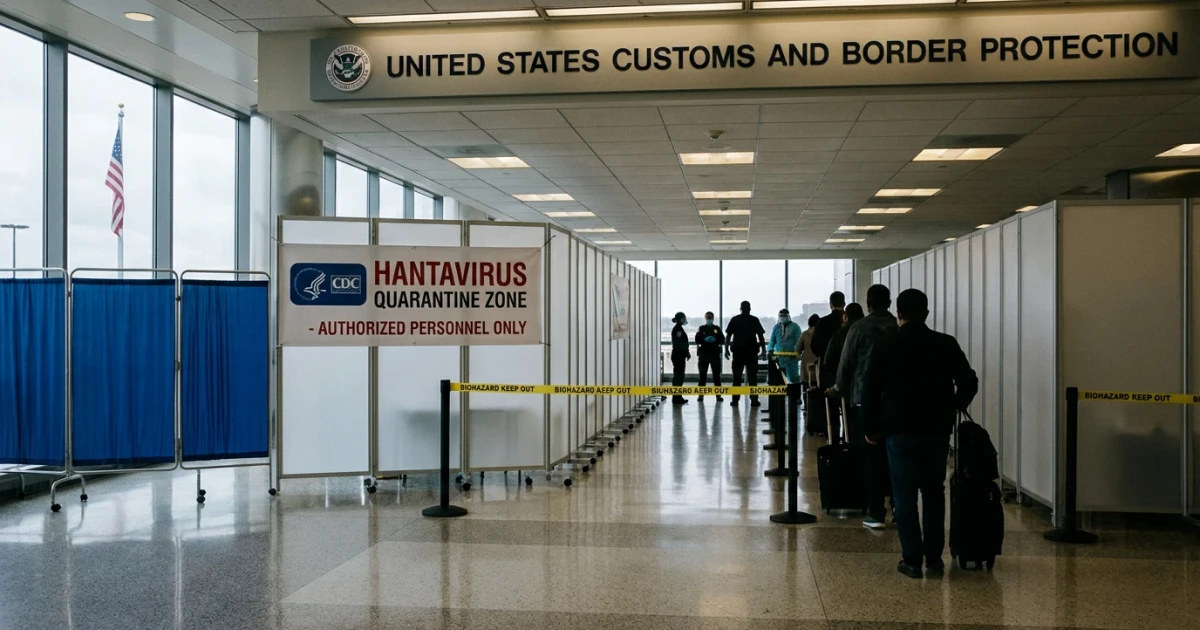
The Centers for Disease Control and Prevention (CDC) announced it will quarantine Americans returning from areas impacted by recent hantavirus cases, following new infections that have raised public health concerns. The decision, first reported by ABC News, reflects ongoing efforts to contain potential outbreaks and protect the wider U.S. population.
CDC Implements Quarantine Protocols
According to ABC News, the CDC will bring U.S. citizens back to a dedicated quarantine unit. This move aligns with established CDC quarantine and isolation protocols designed to limit the spread of infectious diseases. Health officials emphasize that these measures are precautionary and follow legal authorities and operational procedures for managing communicable threats.
- Returning Americans will be monitored for symptoms of hantavirus infection during their quarantine period.
- The CDC's actions follow the identification of new hantavirus cases among travelers, underscoring the agency's commitment to swift containment.
Understanding Hantavirus: Symptoms, Transmission, and Risks
Hantavirus is a rare but potentially severe illness, primarily transmitted to humans through contact with infected rodents or their droppings. According to the CDC’s official records on Hantavirus Pulmonary Syndrome (HPS), initial symptoms typically include fever, muscle aches, and fatigue, which can progress to severe respiratory distress.
The World Health Organization notes that while person-to-person transmission is extremely rare, outbreaks have occurred in confined settings, highlighting the importance of isolation for exposed individuals.
What the Numbers Show
Recent reporting from CNN, referenced by ABC News, breaks down the current statistics on hantavirus in the United States. Official CDC surveillance data indicate:
- Hantavirus Pulmonary Syndrome (HPS) has a mortality rate of approximately 36%.
- Since 1993, there have been over 800 confirmed cases in the U.S., predominantly in western and southwestern states.
- Most infections are linked to rural or wilderness areas where human-rodent contact is more likely.
Further, the CDC’s epidemiological overview provides interactive maps and breakdowns of case distribution by state and year, offering transparency and detailed context for concerned citizens.
Cruise Ship Case Sparks Renewed Attention
Although the details remain emerging, media reports have mentioned a cruise ship incident involving possible hantavirus exposure. Such settings, with close quarters and diverse populations, can prompt heightened vigilance from health authorities. The CDC’s quarantine program is designed to respond rapidly to such situations, minimizing the risk of wider transmission.
Public Health Response and Prevention Efforts
The CDC’s response is part of a multi-layered approach that includes:
- Screening and monitoring travelers from affected regions
- Providing guidance to state and local health departments on case definitions and reporting
- Educating the public on avoiding exposure to rodents and their habitats
The WHO and CDC both stress that proper sanitation, rodent control, and awareness of symptoms are key to reducing individual and community risk.
Looking Ahead
While the number of hantavirus cases in the United States remains low compared to many other infectious diseases, the CDC’s decision to quarantine returning Americans demonstrates a proactive, data-driven approach to outbreak prevention. Ongoing surveillance and rapid response capabilities will be crucial as public health officials monitor the situation and work to protect vulnerable populations.