Health
CDC Vaccine Panel Chair Questions Polio Shot Guidance, Sparks National Debate
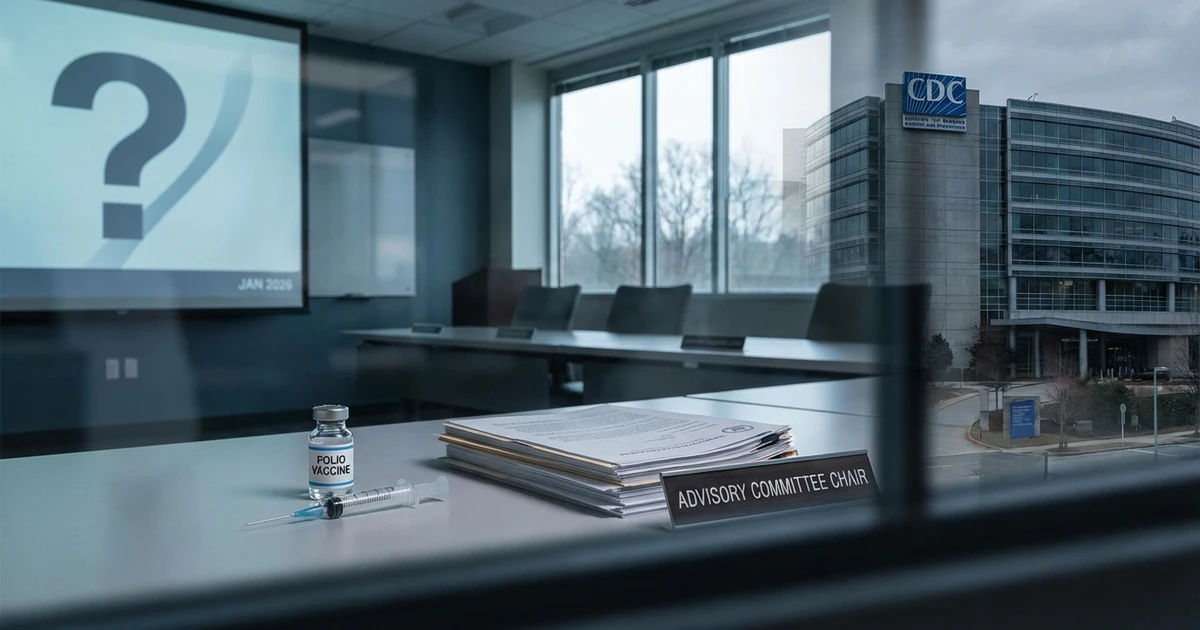
Controversy has erupted in the public health arena after the chair of the Centers for Disease Control and Prevention (CDC)'s vaccine advisory committee raised questions about the necessity of routine polio vaccination in the United States. The remarks have reignited national debate over vaccine recommendations, public health priorities, and the balance between community protection and personal autonomy.
The Chair’s Concerns: Rethinking Polio Vaccine Guidance
According to recent reports, the chair of the CDC’s vaccine panel has publicly questioned whether current polio vaccine recommendations remain essential in the context of the United States’ elimination of wild poliovirus. The chair’s statements reflect a growing discussion within some public health circles about periodically reassessing vaccine schedules as disease landscapes evolve. While the United States has been polio-free since 1979, the CDC maintains a strong recommendation that all children receive four doses of the polio vaccine as part of the routine immunization schedule.
Public Health Implications and Policy Debate
The chair’s remarks touch on a complex intersection of scientific, ethical, and policy issues:
- Vaccine Efficacy: The polio vaccine has been credited with eliminating wild polio transmission in the U.S., preventing paralysis and death in countless children.
- Herd Immunity: High vaccination rates protect vulnerable populations, including those who cannot be vaccinated for medical reasons.
- Global Risks: While the U.S. remains polio-free, outbreaks persist in several countries, and importation remains a theoretical risk.
- Personal Autonomy: The chair’s comments highlight the importance of individual choice and the need for transparent public health policies.
Balancing Autonomy and Community Protection
The questioning of the polio vaccine’s necessity has brought renewed focus to the tension between personal autonomy and collective responsibility. Public health experts generally agree that vaccines are one of the most effective tools for preventing disease spread. However, as certain diseases wane domestically, discussions intensify about whether universal recommendations should continue or adapt to changing risks.
National Response and Next Steps
The CDC has not announced any changes to its recommended childhood immunization schedule in response to the chair's comments. Health officials and advocacy groups continue to emphasize the importance of maintaining high immunization rates to prevent the re-emergence of polio, especially as vaccine hesitancy and misinformation spread in some communities.
Looking Ahead
This development signals a moment of reflection for vaccine policy in the U.S. As public health leaders weigh the risks and benefits of ongoing recommendations, the evolving discussion will likely shape future guidance on polio vaccination and other routine immunizations. For now, parents and healthcare providers are encouraged to follow current CDC guidelines to maintain the nation’s protection against preventable diseases.
Sources
- [1]ABC News