Health
CDC warns cyclosporiasis outbreaks linked to imported produce
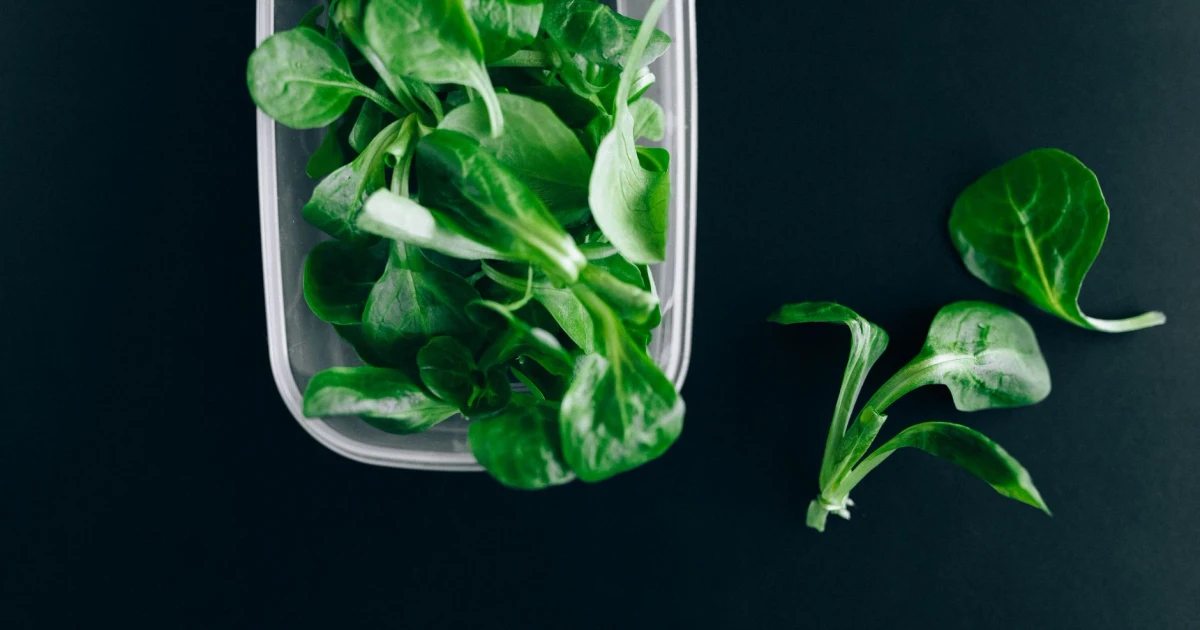
The microscopic parasite Cyclospora cayetanensis can contaminate produce or drinking water and cause cyclosporiasis. The CDC says the intestinal illness has repeatedly been linked to imported fresh produce in the United States, with cases also tied to travel to Cyclospora-endemic areas.
Symptoms usually begin about one week after exposure, but they can start as soon as 2 days later or not show up for 2 weeks or more. Watery diarrhea, fatigue, nausea and weight loss are common, and untreated illness can last from days to a month or longer, with diarrhea sometimes relapsing. Healthy people usually recover without treatment, but trimethoprim-sulfamethoxazole, or TMP-SMX, is the treatment of choice, and there is no vaccine.

Cyclosporiasis is a nationally notifiable disease, so cases are reported to the CDC and tracked year-round by federal, state and local public health partners. Diagnosis can be difficult because standard stool testing often misses the parasite. Patients may need several stool samples collected on different days, along with special lab tests or PCR testing that are not routinely ordered.
CDC recorded 123 cyclosporiasis cases in 2012, then an unusually large increase in 2013. That year, restaurant-associated illnesses in Iowa and Nebraska were linked to salad mix from Taylor Farms de Mexico in Guanajuato, Mexico, and other illnesses were tied to cilantro from Puebla, Mexico. In 2018, two multistate outbreaks produced 761 laboratory-confirmed illnesses, including one linked to prepackaged vegetable trays and another tied to salads.

The U.S. Food and Drug Administration created the Cyclospora Task Force in 2019 and then issued the Cyclospora Prevention, Response and Research Action Plan in 2021 to improve prevention, strengthen response work and fill knowledge gaps. U.S. outbreaks are typically seasonal, often running from April to August, and import alerts have focused on recurring sources such as cilantro from Puebla and raspberries from Guatemala during those spring and summer months.
Sources
- [1]nytimes.com
- [2]cdc.gov
- [3]fda.gov
- [4]accessdata.fda.gov