Health
CDC warns tick-bite ER visits are surging across much of the US
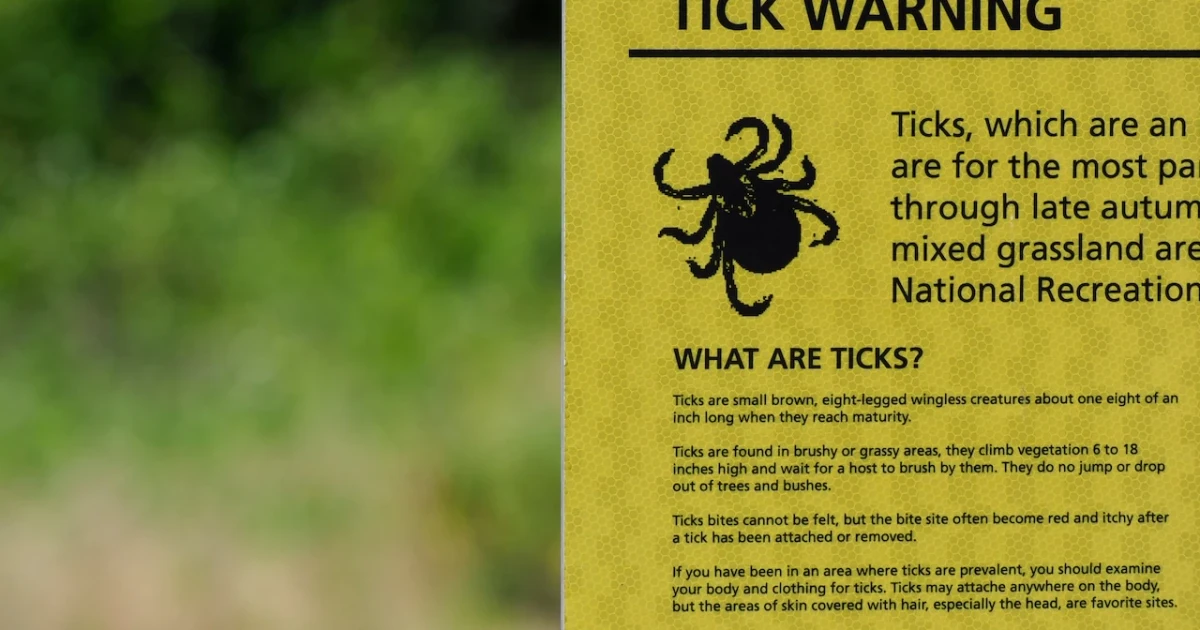
Tick-bite emergency room visits are running hotter than usual across much of the country, with weekly rates now at their highest for this time of year since 2017 in every region except the South Central United States. The concern is not limited to deep woods or rural trails: CDC says many people pick up ticks in their own yards and neighborhoods, which makes the first 24 hours after a bite the most important window for avoiding bigger problems.
The safest response starts with fine-tipped tweezers. CDC says to grab the tick as close to the skin as possible and pull upward with steady, even pressure, then clean the bite area and your hands. The agency says not to use petroleum jelly, heat, nail polish or other substances to try to make the tick let go, and not to crush it with your fingers. Those home remedies can waste time and, in the worst case, make the bite harder to manage.
After the tick is removed, the next step is watching closely. A rash or fever that develops within several days to weeks should prompt a doctor visit, especially in areas where Lyme disease is common. In certain circumstances, CDC says a single dose of doxycycline after a tick bite in a Lyme-endemic area may lower the risk of Lyme disease, but that decision depends on the situation and should be made with medical guidance.

The warning carries national weight because Lyme disease remains the leading cause of tickborne disease in the United States, with an estimated 476,000 infections diagnosed and treated each year. CDC’s Tick Bite Data Tracker lets officials and reporters compare emergency department visits by week, month, region, age and sex, turning local spikes into part of a broader national pattern.
Connecticut shows how seriously some states track the threat. The Connecticut Department of Public Health monitors Lyme disease, babesiosis, anaplasmosis, ehrlichiosis, hard tick relapsing fever, Powassan virus disease, spotted fever rickettsiosis and tularemia, and says there are no vaccines to prevent these diseases. In 2025, Connecticut’s active surveillance collected 10,609 ticks from 40 publicly accessible sites in all eight counties. Lyme disease was first recognized in the United States in 1975 after an outbreak of arthritis near Lyme, Connecticut, and it has remained the disease that defines tick season for much of the country.
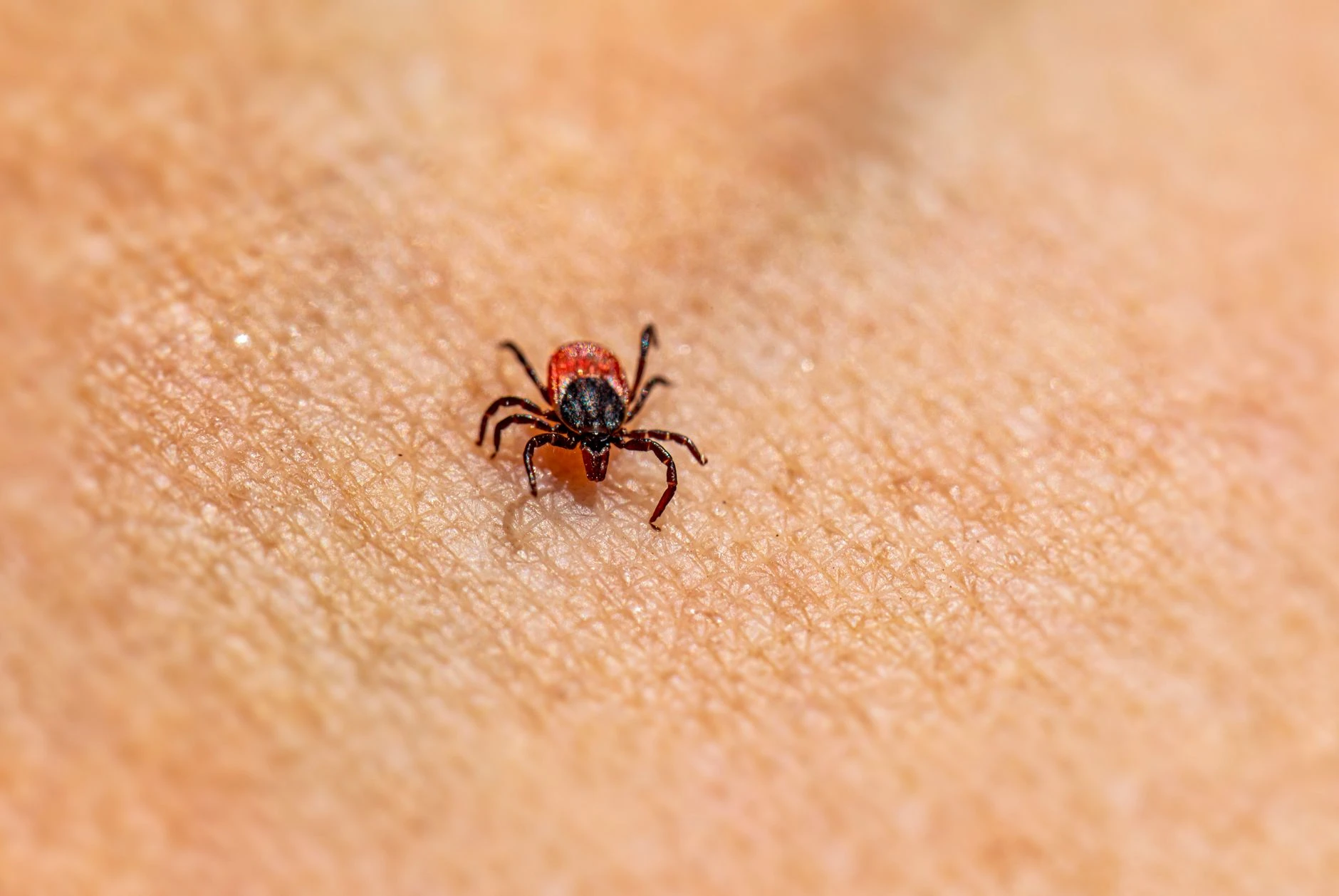
Pets can bring ticks into the home or yard, CDC says, but there is no evidence that dogs or cats spread Lyme disease directly to people. That leaves the burden on prevention, prompt removal and rapid attention to warning signs before a small bite becomes a larger public-health problem.
Sources
- [1]news.google.com
- [2]cdc.gov
- [3]portal.ct.gov
- [4]stacks.cdc.gov