US News
Cease-Fire Between US and Iran Faces Uncertain Future
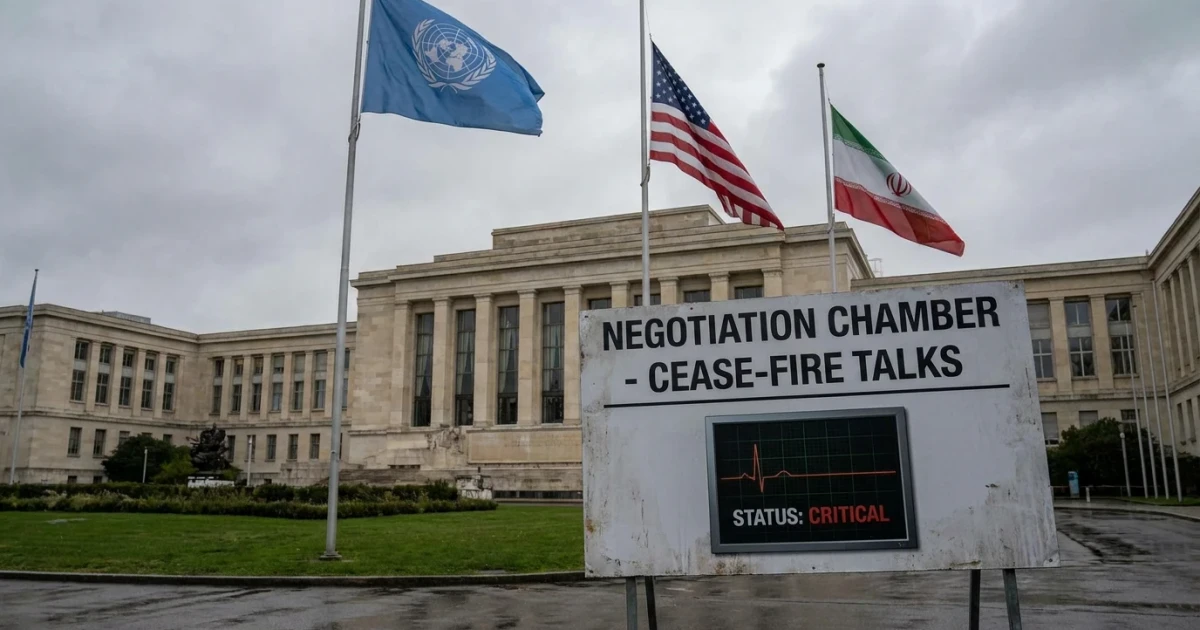
Former President Donald Trump has warned that the cease-fire between the United States and Iran is 'on life support' following his rejection of a recent proposal from Tehran. The statement, reported by The New York Times, comes amid mounting concerns over the durability of the fragile agreement and the risk of renewed conflict in the region.
Trump’s Statement and Its Immediate Impact
Live updates from The New York Times highlighted Trump’s assessment of the cease-fire, noting his description of the current situation as 'massive life support.' This rhetoric underscores the deep uncertainty surrounding the peace process and signals a potential shift in US policy toward Iran. While details of Tehran’s proposal remain undisclosed, Trump’s outright rejection suggests a lack of trust and significant unresolved issues.
Regional Tensions and the Cease-Fire Agreement
The cease-fire, brokered after months of escalating tensions, was intended to curtail violence and open pathways for diplomatic engagement. However, according to the Council on Foreign Relations US-Iran Tensions Tracker, sporadic violations and mutual accusations have repeatedly threatened its stability. The agreement has been tested by military posturing, sanctions, and disagreements over regional influence.
- Violence Reduction: While overall conflict incidents have decreased since the cease-fire, the ACLED Conflict Data Dashboard shows continued flare-ups in border areas and proxy conflicts.
- Diplomatic Moves: Iran’s latest proposal, rejected by Trump, was reportedly aimed at easing sanctions and expanding humanitarian aid, according to analysis from the International Crisis Group.
Humanitarian Concerns Amid Uncertainty
The uncertainty surrounding the cease-fire has significant implications for civilians. The UN OCHA Iran Humanitarian Data and Response page reports that humanitarian needs remain high, with access to aid fluctuating in tandem with the political climate. Displaced populations and vulnerable groups face heightened risks as negotiations falter.
Arms Flows and Security Risks
According to the SIPRI Arms Transfers Database, arms imports and exports involving Iran have been closely monitored, with recent increases in military equipment deliveries raising concerns about escalation. Both sides continue to invest in regional security infrastructure, further complicating prospects for lasting peace.
Policy and Political Perspectives
Trump’s remarks may influence Congressional debates, as documented in the Congressional Record: Iran-Related Proceedings. Lawmakers are divided on how to respond to Iran’s overtures, with some advocating for renewed engagement and others pushing for greater pressure.
Analysis: What’s Next for the Cease-Fire?
The rejection of Tehran’s proposal places the cease-fire in jeopardy, raising the specter of renewed hostilities. Regional experts, including those at the Brookings Institution, argue that sustained diplomatic efforts and confidence-building measures are essential to prevent escalation.
In the coming weeks, the international community will closely monitor developments, with humanitarian agencies preparing for potential increases in conflict-related displacement and aid needs. The fate of the cease-fire remains uncertain, and future US-Iran relations will depend largely on political will and diplomatic creativity.