US News
Ceasefire Holds as Iran Peace Talks Begin in Pakistan
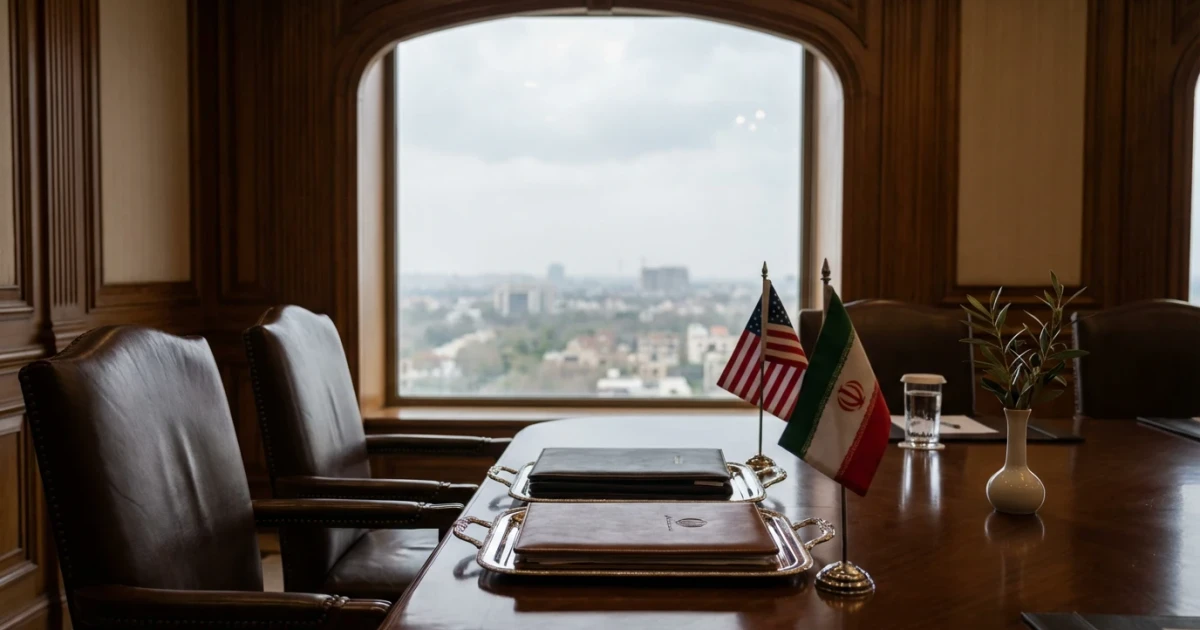
Diplomats from the United States and Iran convened in Pakistan this week to begin long-anticipated peace talks, marking a cautious step toward resolving ongoing tensions in the region. As discussions get underway, U.S. officials have emphasized that no agreements have been reached so far, while a fragile ceasefire continues to hold on the ground.
Peace Negotiations Underway
The talks, held in Pakistan, represent the first formal engagement between the U.S. and Iran since a period of heightened conflict earlier this year. According to CBS News, officials from both sides have entered the negotiations with tentative optimism but remain wary of deep-rooted mistrust and unresolved issues. The U.S. official cited by CBS News stressed that, at this stage, "no agreements have been made" in the discussions, underscoring the preliminary nature of the dialogue.
- The ceasefire, brokered in recent weeks, is seen as a critical backdrop to the talks, allowing for diplomatic engagement without ongoing large-scale violence.
- International observers are closely monitoring the situation to gauge the durability of the ceasefire and the sincerity of commitments made by both parties.
Ceasefire Status Remains Uncertain
While the ceasefire has brought a temporary halt to major hostilities, its stability is widely described as shaky. Reports from various monitoring organizations, such as the ACLED Conflict Data Dashboard, have tracked a recent decline in violent incidents, but isolated clashes and mutual accusations of minor violations persist.
- The U.S. State Department’s 2023 Country Reports on Human Rights Practices: Iran notes that ceasefire arrangements in the region have historically faced significant challenges, including enforcement and verification issues.
- Current UN Security Council sanctions on Iran remain in force, adding another layer of complexity to the negotiations.
Challenges Facing the Peace Process
Diplomatic analysts, including those at the International Crisis Group, emphasize that any lasting peace agreement will require addressing a host of contentious issues. These include ongoing disputes over Iran’s nuclear program, sanctions relief, and regional security arrangements.
- Previous attempts at peace have faltered due to a lack of trust and concrete verification mechanisms, as detailed in the UN Peacemaker: Iran Peace Agreements Database.
- The military balance and security concerns, explained in the Council on Foreign Relations backgrounder on Iran’s military forces, also continue to shape both sides' negotiating positions.
International Community Watches Closely
Governments and organizations worldwide are monitoring the progress of talks. The fragile nature of the ceasefire means that any collapse in negotiations could quickly lead to renewed violence. The outcome of these discussions will not only influence U.S.-Iran relations but could also impact the broader security landscape in the Middle East.
Looking Ahead
With no formal agreements in place, the immediate future of U.S.-Iran relations remains uncertain. The continuation of the ceasefire is seen as a positive sign, but experts caution that the coming weeks will be critical for building trust and laying the groundwork for any potential agreement.
As negotiations proceed, stakeholders will be watching for concrete steps toward de-escalation, broader ceasefire compliance, and possible breakthroughs on longstanding disputes. The world’s attention remains fixed on Pakistan, where diplomatic efforts are underway to secure a more stable and peaceful future for the region.