US News
Ceasefire Strains as Trump Rejects Iran’s Peace Response
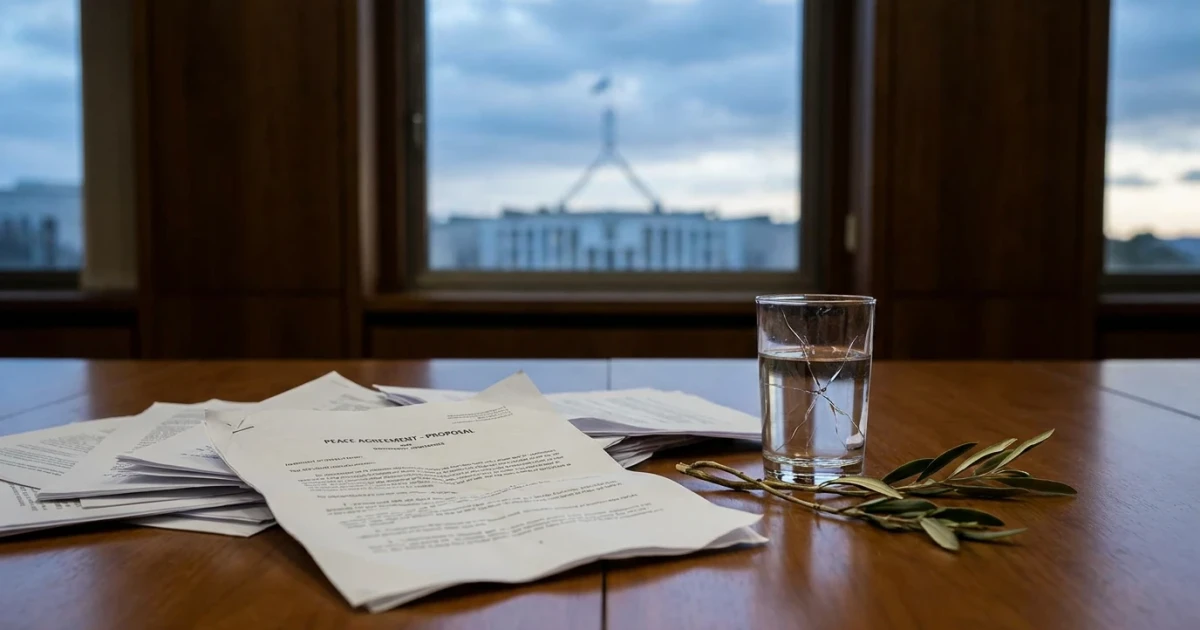
Tensions between the United States and Iran escalated this week as former President Donald Trump publicly condemned Iran’s response to an American-backed peace proposal, characterizing it as “unacceptable.” The exchange comes amid mounting pressure on both sides to uphold a fragile ceasefire, with observers closely watching for signs of progress or deterioration in the conflict.
Trump Denounces Iran’s Peace Plan Response
According to reporting from The Washington Post, Trump delivered his assessment shortly after Iran notified the US of its formal reply to a peace initiative aimed at ending ongoing hostilities. The former president’s statement signaled skepticism about Tehran’s intentions, raising concerns among diplomats and analysts over the viability of the current ceasefire.
"Iran’s response to the peace plan is unacceptable."
The ceasefire, which has been under intense scrutiny, faces renewed uncertainty following Trump’s remarks. Multiple international news outlets have reported that Iran claims to have responded to the US proposal, though details of the response remain limited and subject to interpretation.
Ceasefire Under Strain
The ceasefire agreement, brokered by US and regional mediators, was designed to halt active conflict and open pathways for diplomacy. However, the situation remains volatile:
- Iranian officials maintain that their response is in line with established diplomatic norms, though specifics have not been made public.
- US officials and allies are reportedly evaluating the content and intent of Iran’s reply, as the ceasefire’s durability rests on mutual trust and compliance.
- International observers, including the United Nations, continue to monitor ceasefire violations and humanitarian impacts, publishing regular situation reports on displacement and aid needs.
Recent data from the ACLED Conflict Data Dashboard highlights ongoing incidents and ceasefire breaches within the region, underlining the complexity of maintaining peace in the current climate.
Regional and International Implications
Trump’s categorical rejection of Iran’s stance has prompted mixed reactions among global actors. Some analysts argue that the statement could harden positions on both sides, while others see it as a negotiating tactic intended to pressure Iran into further concessions. The official US government’s Country Reports on Terrorism provide insight into longstanding concerns over Iran’s regional activities and compliance with international norms.
Meanwhile, the United Nations Security Council maintains sanctions and enforcement records tied to Iran, reflecting ongoing challenges in balancing diplomatic incentives with punitive measures.
Challenges Ahead for Diplomacy
With the ceasefire still being tested, the next steps for US-Iran relations remain uncertain. The outcome will depend on whether both sides can move beyond public rhetoric to substantive negotiations. As Iran’s official response continues to be scrutinized, regional stakeholders and humanitarian agencies urge continued engagement to prevent further escalation.
For those tracking the evolving situation and its broader impact, up-to-date data and analysis are accessible through resources like the International Crisis Group’s Iran reports and detailed backgrounders on Iran’s military forces.
As the ceasefire faces crucial tests, the interplay between diplomatic maneuvering and public statements will shape the next phase of the peace process. The coming days are likely to reveal whether the parties can bridge their differences or if renewed conflict looms on the horizon.