US News
Ceasefire Tensions Persist After Iran Attacks in Strait of Hormuz
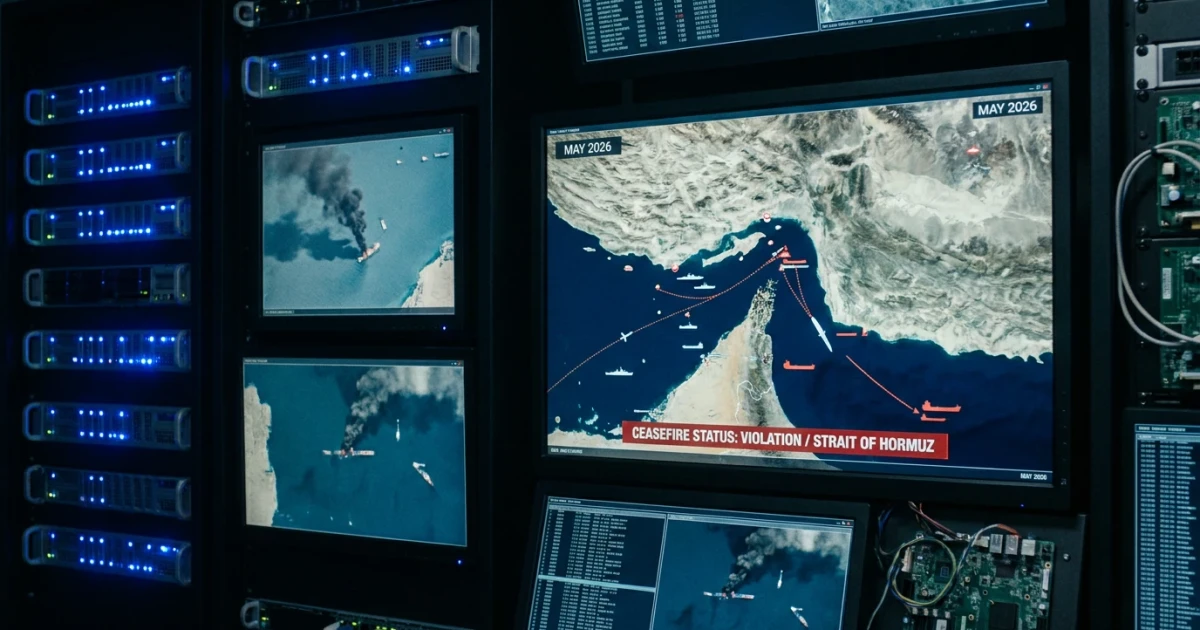
Recent attacks by Iran on the United Arab Emirates and commercial vessels in the Strait of Hormuz have heightened tensions in the region, casting uncertainty over an already fragile ceasefire. While the U.S. military responded by sinking several Iranian boats, American officials and sources across major news outlets maintain that the ceasefire technically remains intact for now.
Ceasefire Holds Amid Escalation
Multiple news outlets, including CBS News, NBC News, and NPR, report that the ceasefire agreement between the U.S. and Iran—brokered after months of escalating conflict—has not been formally declared over by either side. According to NBC News, U.S. officials emphasized that despite the latest strikes, the terms of the ceasefire agreement have technically not been breached in a way that would end the truce. NPR similarly reported that the U.S. government is treating the ceasefire as ongoing, though the situation remains highly volatile.
- Iran launched attacks against both the UAE and ships transiting the Strait of Hormuz, a critical waterway for global oil shipments.
- The U.S. Navy responded by sinking seven small Iranian boats, as confirmed by CBS News.
- Despite this, U.S. officials told multiple outlets that the ceasefire is still officially in effect.
Details of the Attacks and U.S. Response
The most recent incident occurred when Iranian forces targeted UAE assets and attacked commercial shipping in the Strait of Hormuz—a strategic chokepoint for the global energy market. The attacks reportedly damaged vessels and posed a direct threat to maritime security, echoing past incidents in this geopolitically sensitive area.
In response, as reported by CBS News, U.S. naval forces engaged and destroyed seven small Iranian boats. This action underscores the ongoing risks in the region, where both the Iranian navy and U.S. forces maintain a significant presence. For context, the Iranian navy relies heavily on small, fast-attack craft in the narrow shipping lanes of the Strait.
Live updates from CBS News quoted U.S. officials, including Hegseth, who said the ceasefire was “holding for now” even after the attacks and military response.
Strategic Importance of the Strait of Hormuz
The Strait of Hormuz is a vital maritime passage, with roughly one-fifth of the world’s petroleum passing through its waters. Any disruption to shipping in this area can have immediate impacts on global energy prices and supply chains. According to recent shipping statistics, the strait sees thousands of vessel transits annually, making it one of the busiest and most strategically sensitive waterways in the world.
Incidents in the Strait of Hormuz have previously led to spikes in oil prices and raised concerns over freedom of navigation and regional security, as analyzed by the International Chamber of Shipping and the International Maritime Organization.
International Reaction and Ongoing Risks
Despite the immediate military response, the U.S. and other international actors appear keen to prevent a broader conflict. The insistence by U.S. officials that the ceasefire remains in force highlights a desire to avoid escalation, even as both sides signal their willingness to respond to perceived threats.
Data from the UN Security Council shows that Iran remains under significant international sanctions, including maritime restrictions, which complicate efforts to de-escalate.
What Comes Next?
The situation in the Strait of Hormuz remains tense, with the potential for further incidents. While the ceasefire technically holds, the recent attacks and counterstrikes highlight the fragility of the current truce and the risks of rapid escalation. Regional and global stakeholders continue to monitor the area closely, aware that any breakdown in the ceasefire could have far-reaching consequences for energy markets and geopolitical stability.
As events develop, the international community will be watching to see if both sides can maintain restraint or if renewed hostilities will undermine efforts toward a more lasting peace in one of the world’s most critical maritime corridors.