Health
Cell Therapy Brings Unexpected Recovery for Woman With Triple Diagnosis
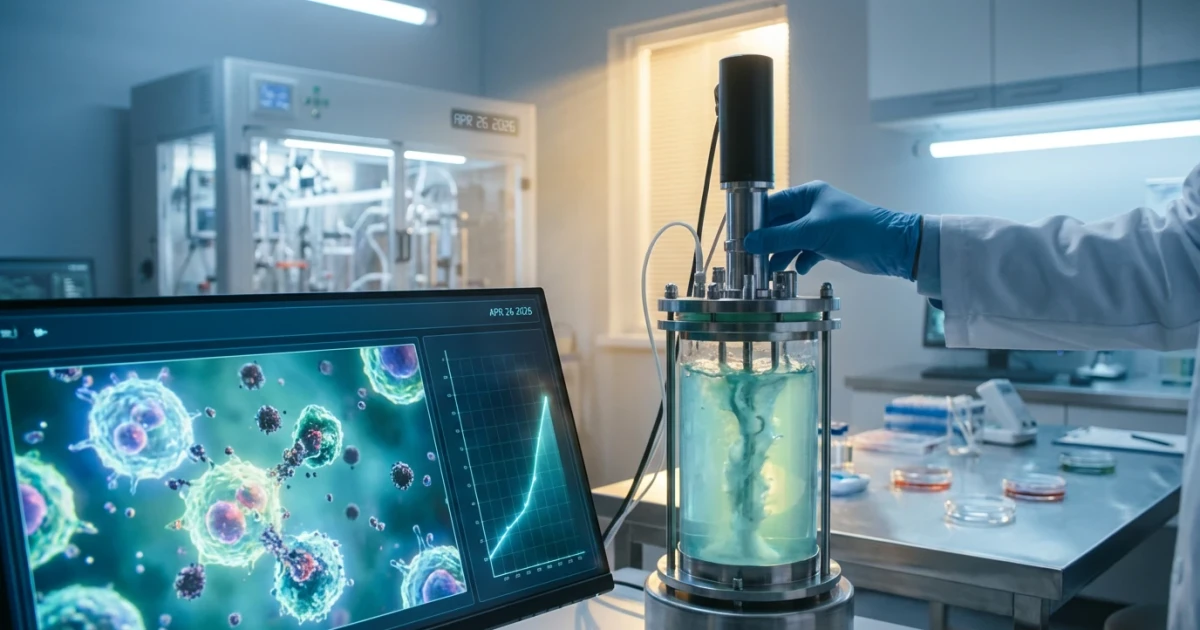
A woman diagnosed with three separate deadly diseases has experienced what doctors are calling a “remarkable” recovery following an experimental cell therapy treatment. The case, reported by The Guardian, has captured the attention of the medical community and underscores new possibilities in treating complex conditions with advanced immunotherapies.
Facing Three Deadly Diagnoses
According to The Guardian, the patient was simultaneously battling three serious illnesses, including a form of cancer. While details about her other diagnoses were not fully disclosed, the report emphasized the historically poor prognosis for patients in such situations. Statistics from the SEER Cancer Statistics database show that survival rates for individuals with a single aggressive cancer can be low; the odds drop dramatically when complicated by additional life-threatening diseases.
Cell Therapy: A Promising Frontier
The woman’s treatment involved a cutting-edge form of cell therapy, a technique that harnesses a patient’s own immune cells to target and destroy diseased cells. This approach, which includes CAR T-cell therapy and other advanced methods, has been gaining ground in recent years for its potential to treat cancers that are resistant to conventional treatments.
- Cell therapies are currently under study in hundreds of clinical trials worldwide, as documented in the ClinicalTrials.gov database.
- Several therapies have already received FDA approval for certain cancers, such as leukemia and lymphoma.
- According to a recent Nature Medicine study, long-term outcomes for some patients treated with CAR T-cell therapy have been highly promising, with significant rates of remission even in advanced cases.
Remarkable Recovery
The Guardian reported that following her cell therapy treatment, the woman’s conditions improved dramatically. Doctors involved described the outcome as “remarkable,” given the severity of her illnesses. While not all patients respond as successfully, her progress has provided hope for those with similarly complex diagnoses.
Expert Caution and Future Outlook
Experts emphasize that while this case demonstrates the potential of cell therapies, such recoveries are still rare and much is unknown about long-term effects. Cell therapies can carry risks of serious side effects, including immune system complications. Ongoing research, outlined in both clinical trials and peer-reviewed studies, aims to optimize safety and identify which patients benefit most.
Global health organizations, including the World Health Organization, have identified cancer as one of the leading causes of death worldwide, highlighting the urgent need for more effective treatments. Cases like this, reported by The Guardian, highlight both the promise and the challenges facing the next generation of targeted therapies.
Conclusion
The woman’s recovery after cell therapy represents a beacon of hope for patients facing complex, life-threatening diseases. As research continues and more data emerges, cell therapy may become an increasingly important tool in the fight against cancer and other serious conditions. For now, her story serves as a testament to the rapid advances in medical science—and the resilience of patients willing to try new approaches.