Health
Cell transplantation reveals ancient blueprint for animal body building
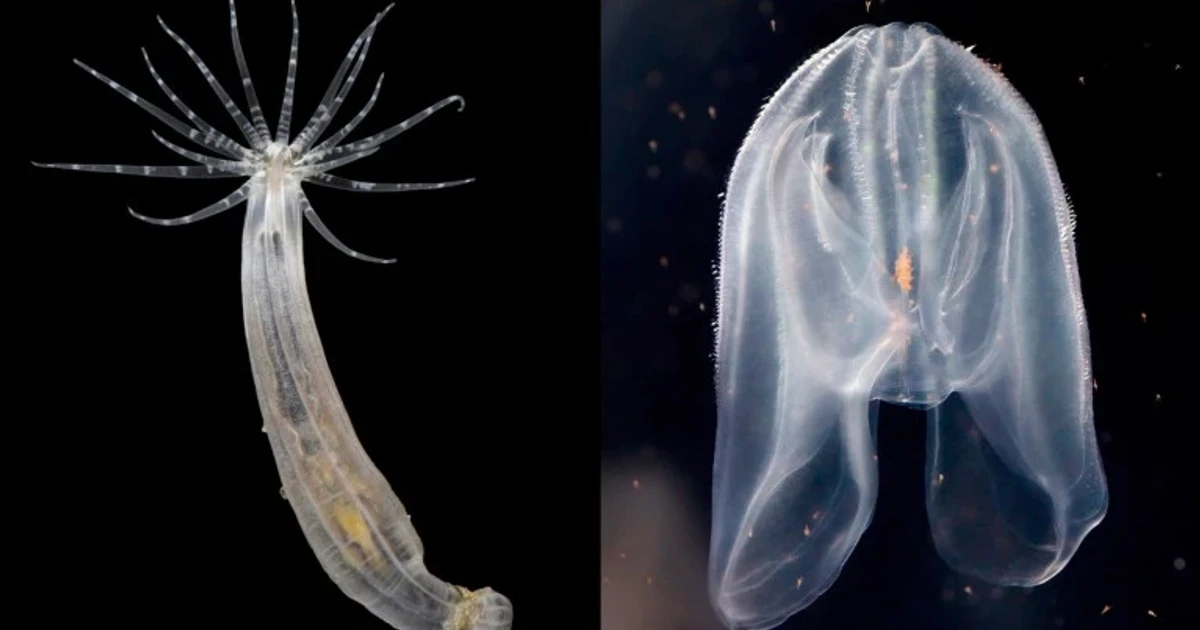
Embryonic organizer cells have done more than reveal a laboratory trick. In a study framed by Nature on June 18, 2026, cells from embryos of different phyla appeared able to tell other embryos what kind of body to build, a result that points to a shared developmental logic stretching across the animal kingdom.
That matters because the origin of animals remains one of biology’s deepest unresolved questions. If one embryo can instruct another about body plan, then the machinery that shapes form may not be a late invention of complex animals. It may be an ancient toolkit, conserved across lineages that now look wildly different, from sponges and worms to insects and mammals.
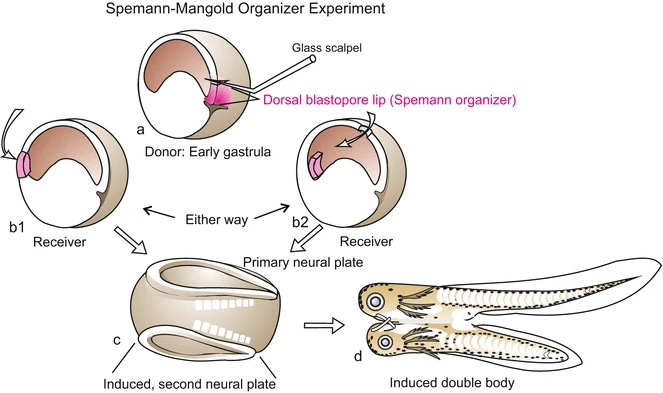
The idea has roots in the 1924 Spemann-Mangold experiment in amphibian embryos, when Hans Spemann and Hilde Mangold at the University of Freiburg in Freiburg, Germany, showed that a transplanted dorsal lip could induce a secondary body axis. That work helped establish embryonic induction, the principle that one group of cells can direct the fate and organization of another. A later Cell review by J. Gerhart described the organizer as an embryonic region capable of inducing a secondary axis when transplanted to an ectopic site.
The new result expands that classic framework beyond one model system. Instead of treating the organizer as a peculiarity of amphibians or chordates, the finding places it in a broader evolutionary comparison across the tree of life. That shift strengthens a long-running view in evo-devo: animal multicellularity did not arise from nothing, but from pre-existing cellular toolkits, including adhesion proteins that evolved in single-celled organisms before animals appeared.
The stakes are not only evolutionary. Body patterning sits at the center of organ formation, so learning how organizer cells coordinate growth and identity could eventually inform the study of congenital disorders, tissue engineering and regenerative medicine. For families living with birth defects, the value of this work lies in the possibility that a better map of early development could one day improve diagnosis and repair.
The caution is just as important as the promise. A transplantation experiment cannot by itself reconstruct the first animals. But by showing that embryos across distant phyla can still respond to organizer signals, the work offers a strong clue that deep developmental rules were already in place before animal diversity exploded. If that inference holds, then the oldest blueprint for building bodies may be written not only in genes, but in the way cells speak to one another at the very start of life.