Business
Central banks plan to cut dollar holdings as gold gains favor

Central banks and public funds are planning, for the first time since OMFIF began tracking their long-term intentions in 2023, to reduce dollar holdings over the next decade rather than increase them. The shift emerged in OMFIF’s Global Public Investor 2026 survey of 90 central banks, public pension funds and sovereign funds overseeing more than $10 trillion in assets.
The survey shows a gradual rebalancing rather than a break with the dollar’s dominance. The U.S. currency still has no obvious rival as the main reserve asset, but reserve managers are treating policy volatility, sanctions risk and geopolitical tension as lasting features of the landscape. More respondents now view volatility as a condition to manage, not a temporary shock, and most believe the monetary system is moving toward a more multipolar order.
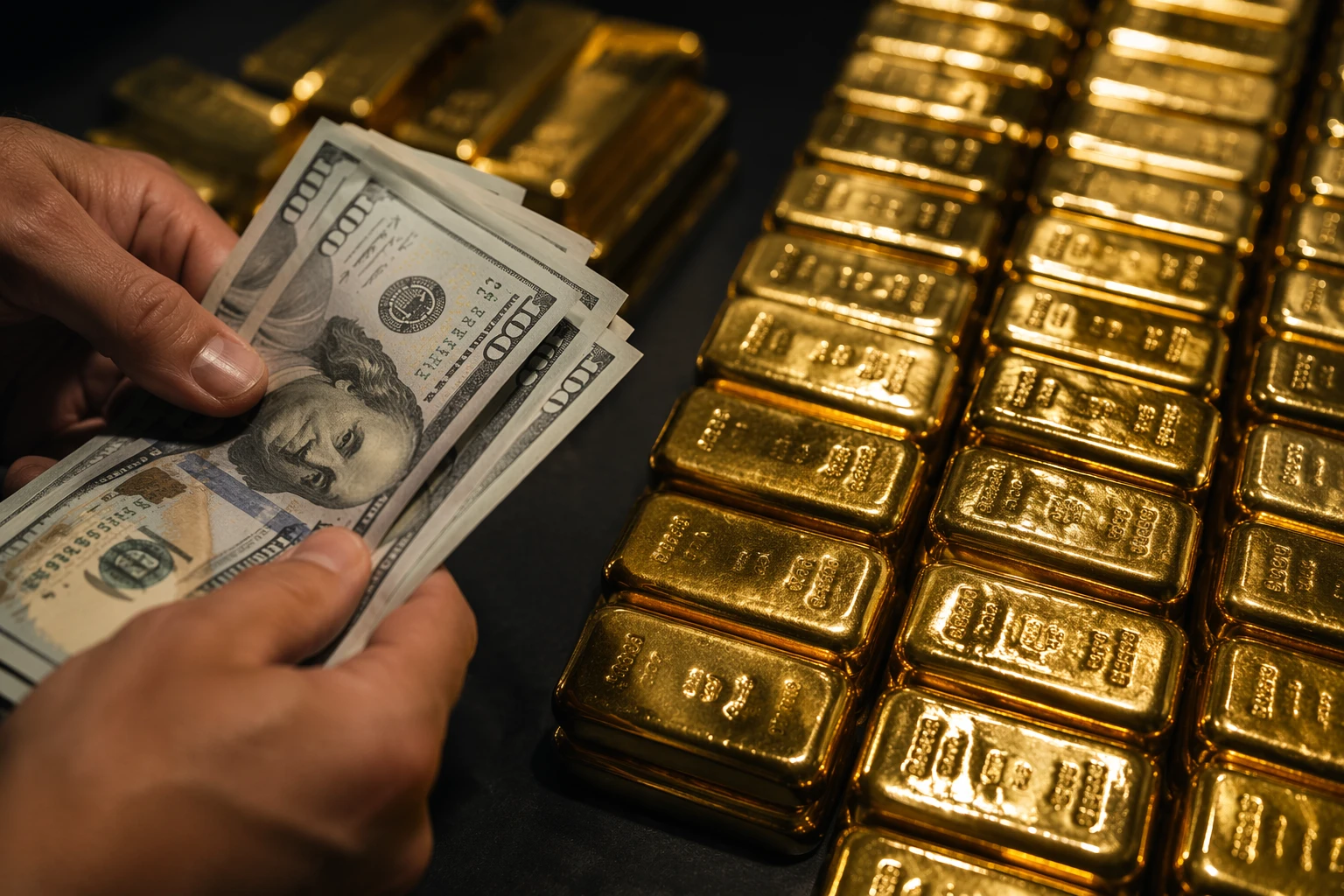
Gold has become the clearest beneficiary. A net 30% of respondents said they plan to increase gold allocations over the next one to two years, and 61% expect the metal to settle between $5,000 and $6,000 an ounce by June 2027. Only 28% said today’s price is discouraging further buying. The motivation is increasingly strategic: 51% cited protection against geopolitical risk, up 11 percentage points from 2024.
The broader shift is visible in currency allocations as well. Twenty-nine percent of respondents want to raise euro holdings in the long term, up from 22% last year, and 55% of central banks for which the question applies would add more euro-denominated reserve assets if the European Union became a permanent issuer. Interest is also rising in the Chinese renminbi, sterling, the Norwegian krone and the New Zealand dollar. In the IMF’s latest COFER data, total foreign exchange reserves rose to $12.94 trillion in the second quarter of 2025 from $12.54 trillion in the first quarter, while the dollar’s share of allocated reserves fell to 56.32% from 57.79% and the euro’s share rose to 21.13% from 20.00%.

The European Central Bank linked the surge in official gold demand to Russia’s full-scale invasion of Ukraine in 2022. It said central banks’ gold reserves in 2024 were close to Bretton Woods-era levels, and that official-sector demand accounted for more than 20% of global gold demand, compared with about one-tenth on average in the 2010s. OMFIF found that 89% of developed-economy central banks report some form of AI implementation, versus 44% of emerging-market peers.
Sources
- [1]money.usnews.com
- [2]omfif.org
- [3]data.imf.org
- [4]ecb.europa.eu