World
Central England faces longest dry spell in over 30 years
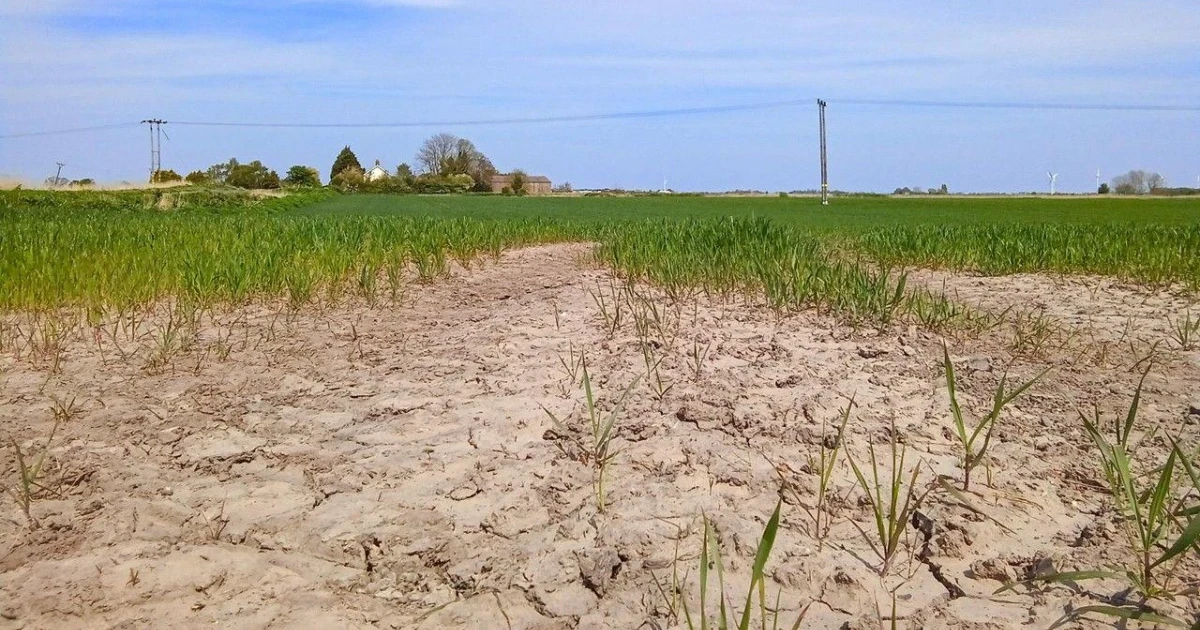
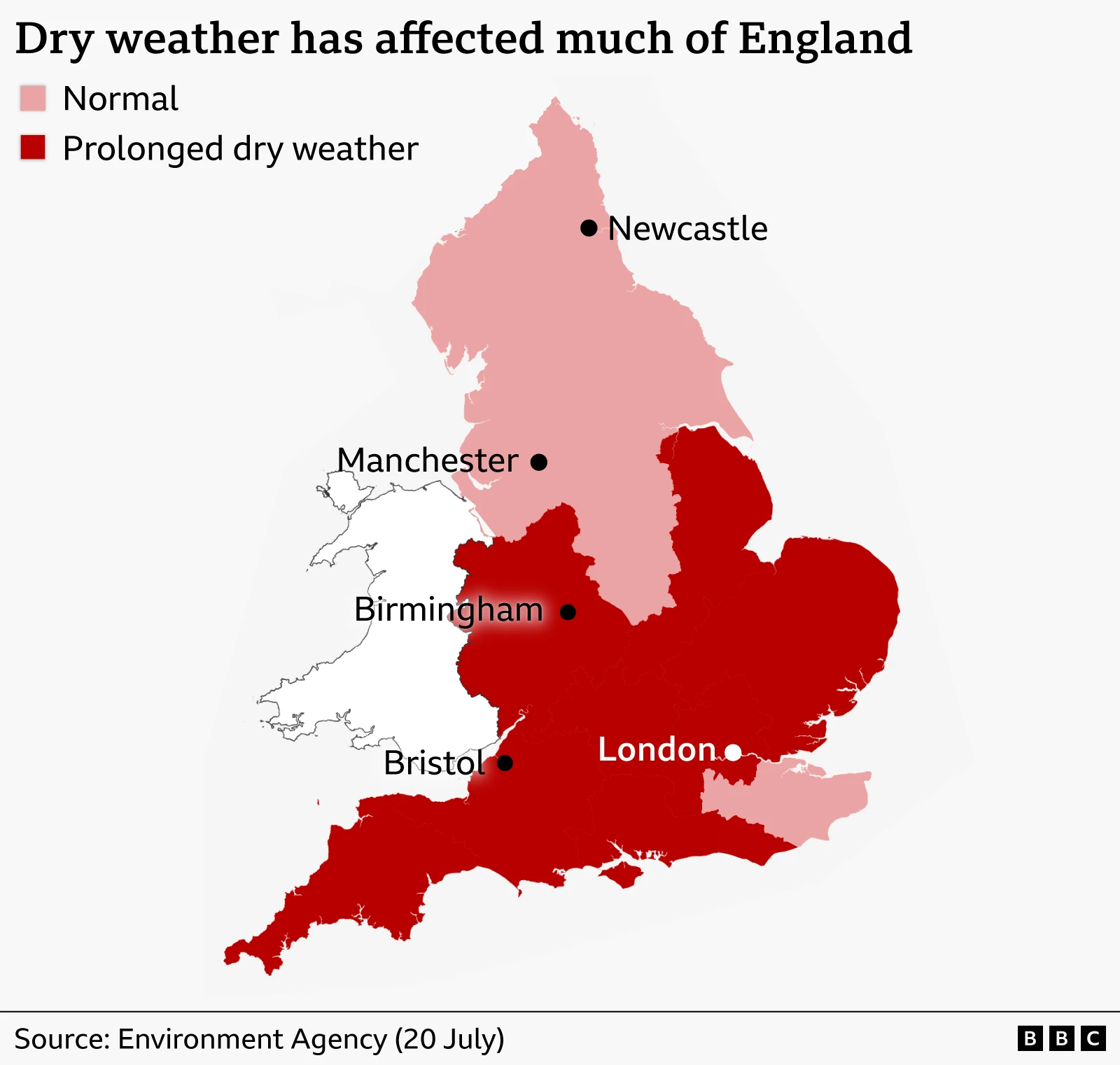
The East and West Midlands were declared in drought on July 15 after a hot, dry spell left some river flows at their lowest since June 1976. Central and south-east England also went 14 straight days without rain from July 2 to July 15, the longest unbroken dry spell this century and the longest there since 1996.
The National Drought Group met on June 18 and said water resources remained relatively healthy after an exceptionally wet winter, but some areas were already feeling the effects of prolonged dry weather. That buffer narrowed quickly after three heatwaves, with Met Office stations across central and south-east England recording zero rainfall for the full stretch.
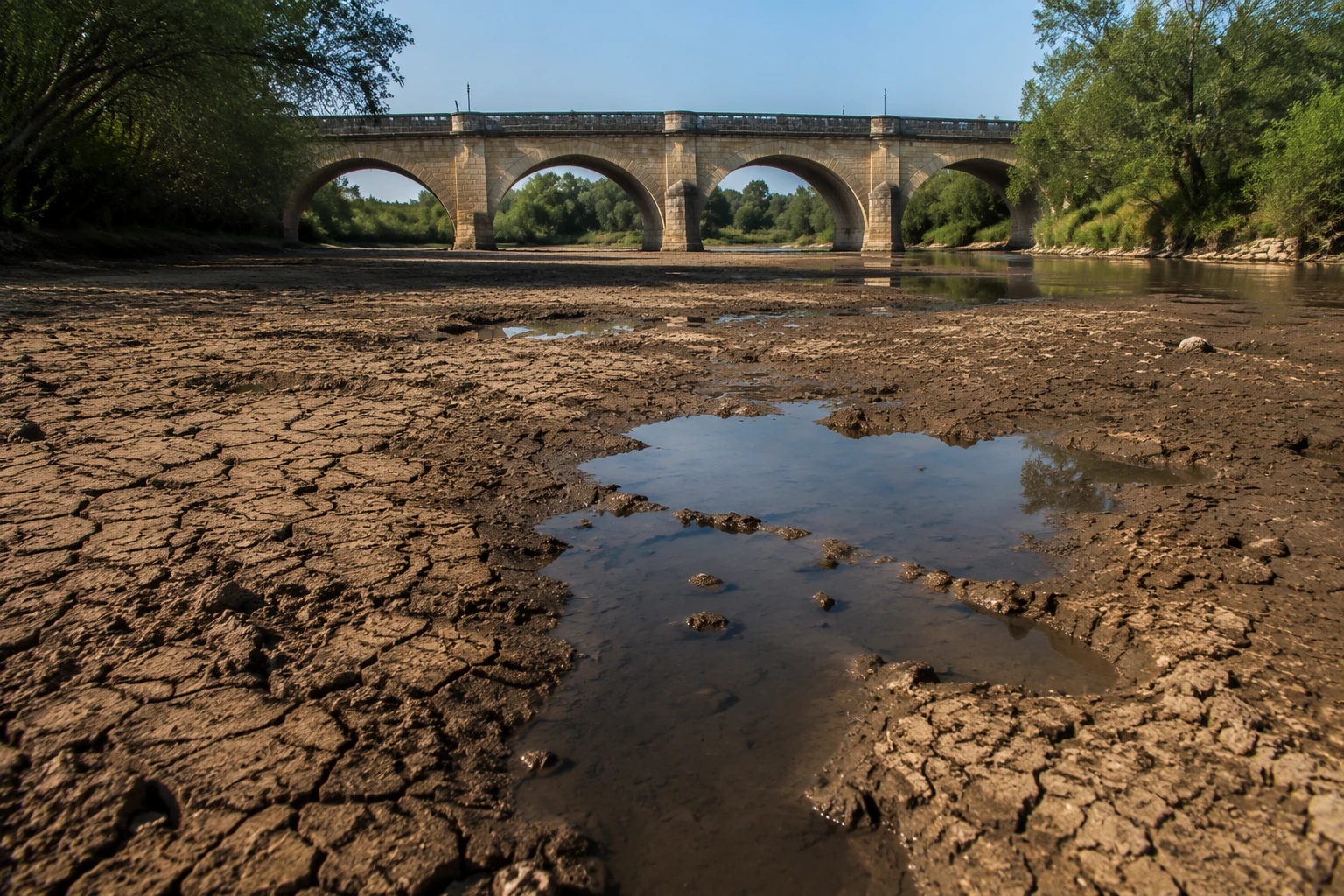
Severn Trent said water demand reached its highest level on record on July 15 and asked customers to reduce use. The pressure on supplies has already forced a sharper focus on conservation, and the Midlands declaration put the regulator, water companies and local users on the same clock as dry conditions spread.
Farmers have been told the same weather pattern is not a short-lived inconvenience. The NFU has said flexibility around access to water, investment and communication will be vital after an Environment Agency report warned drought conditions could worsen next year if winter was drier than usual. That warning matters well beyond England because the same sequence of events, a wet winter, a dry spring, repeated heatwaves and a second dry summer, is what turns a weather anomaly into a planning problem.
Reservoirs, irrigation systems and treatment networks are now being judged on how much slack they have left. With the Midlands in drought, central England rain-free for two weeks, and Severn Trent already at record demand, the question for utilities is no longer whether the dry spell is unusual. It is how much strain the system can absorb before tighter restrictions become unavoidable.
Sources
- [1]bbc.co.uk