World
Ceuta migrant surge sparks Spain-EU political crisis

Spain said most of the tens of thousands of migrants who crossed from Morocco into Ceuta had already returned, even as the surge pushed the European Union toward emergency talks over its border regime. The North African enclave, one of the EU’s few land borders with Africa, became the scene of one of the largest migration shocks in recent years.
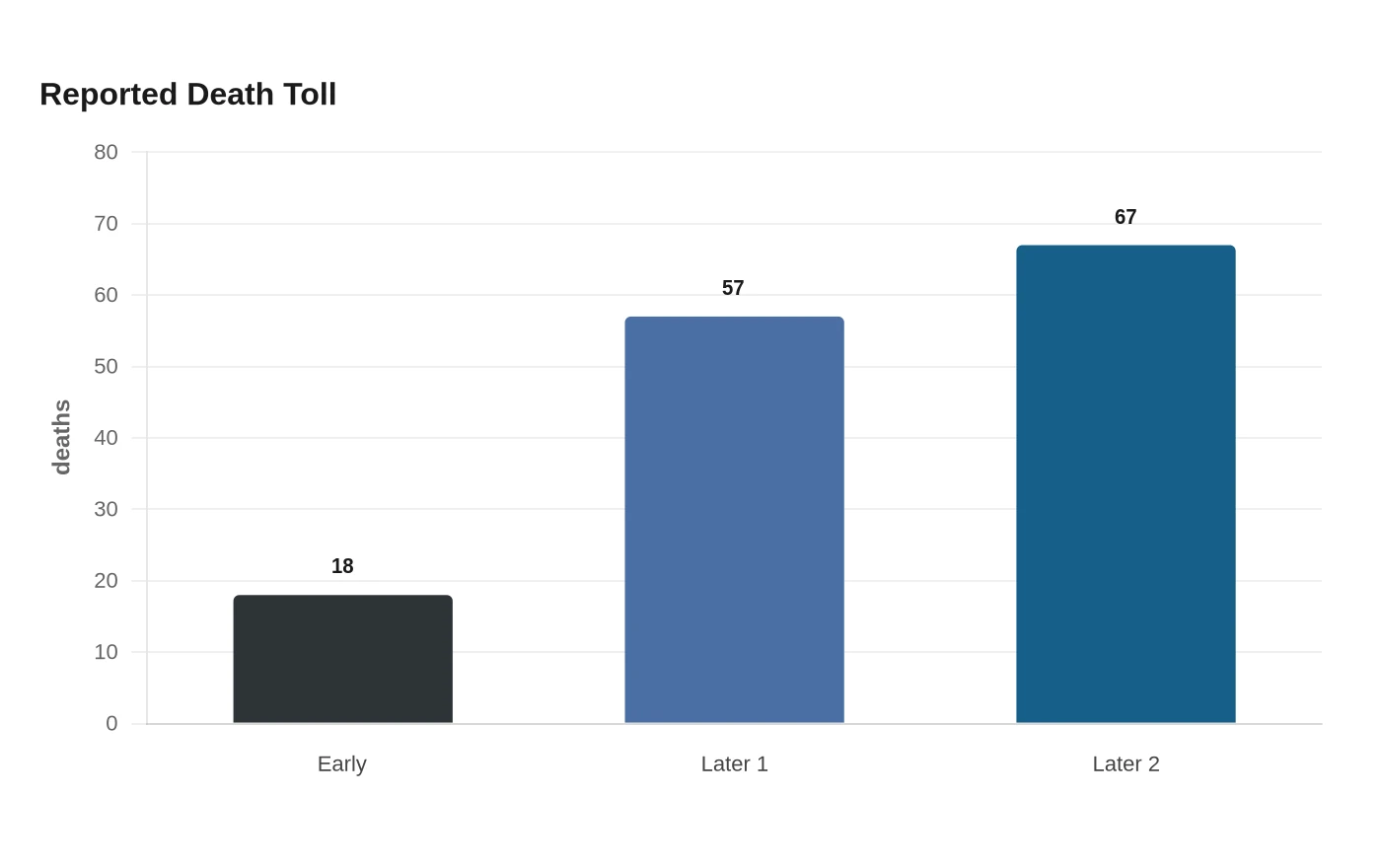
About 49,000 to 60,000 people crossed into Ceuta in late July 2026, many by swimming around border barriers or climbing fences. The immediate trigger remained disputed, with speculation focused on lax Moroccan policing, attractive Spanish immigration policies and misinformation from human traffickers, though experts said it was too early to know. At least 18 migrants were reported dead early in the crisis, and later counts rose to 57 and then 67 as more information emerged.
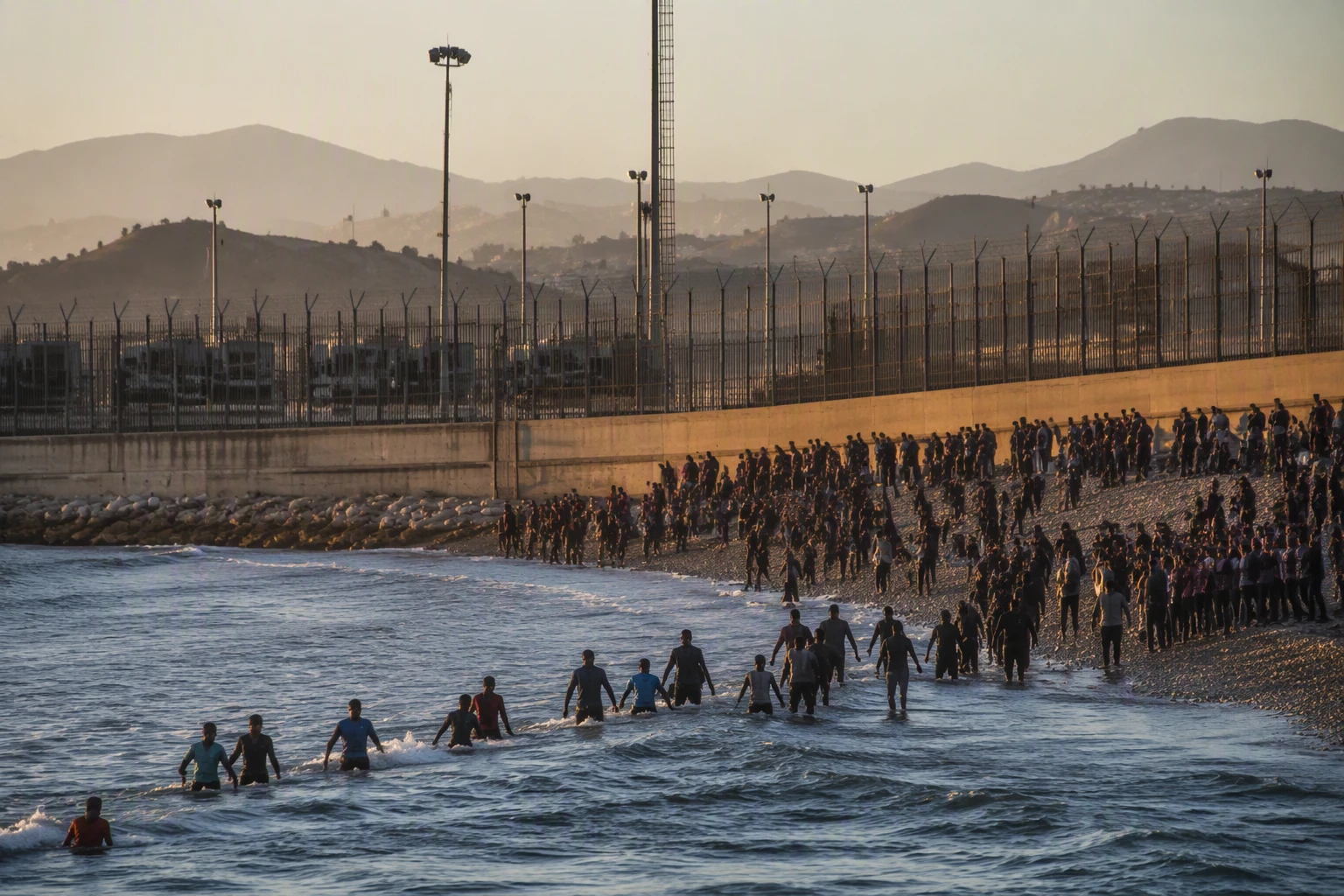
The humanitarian strain was visible on the ground. Ceuta’s local authorities said the enclave’s resources were overwhelmed and its reception centre was overflowing, including facilities for unaccompanied minors. Spanish authorities said around 1,500 of the arrivals were children, while Save the Children said thousands of children reached Ceuta and needed immediate protection, safe accommodation and support.
The political fallout spread quickly beyond the enclave. In Madrid, Spanish leaders condemned what they called the "selfish, polarising and unlawful" reaction of some EU countries. In Brussels, the crisis moved toward an emergency meeting of interior ministers, and a joint letter from 22 member states called for strengthening external borders. The episode also sharpened the argument over whether migration is being used as a political weapon rather than treated as a humanitarian emergency.
Ceuta has been here before. In May 2021, Morocco allowed about 8,000 people to enter the enclave, setting off a previous confrontation that strained relations between Madrid and Rabat. A 2021 study of 195,000 tweets found VOX played a major role in shaping the online discussion of that crisis, underlining how quickly the enclave’s border pressure becomes fodder for Spain’s anti-immigration politics as well as Europe’s wider migration debate.
Sources
- [1]nytimes.com
- [2]reuters.com
- [3]bbc.com
- [4]savethechildren.net
- [5]aljazeera.com
- [6]euronews.com
- [7]theguardian.com
- [8]europeanpapers.eu