Politics
Ceuta rally follows mass migrant crossings and border crisis
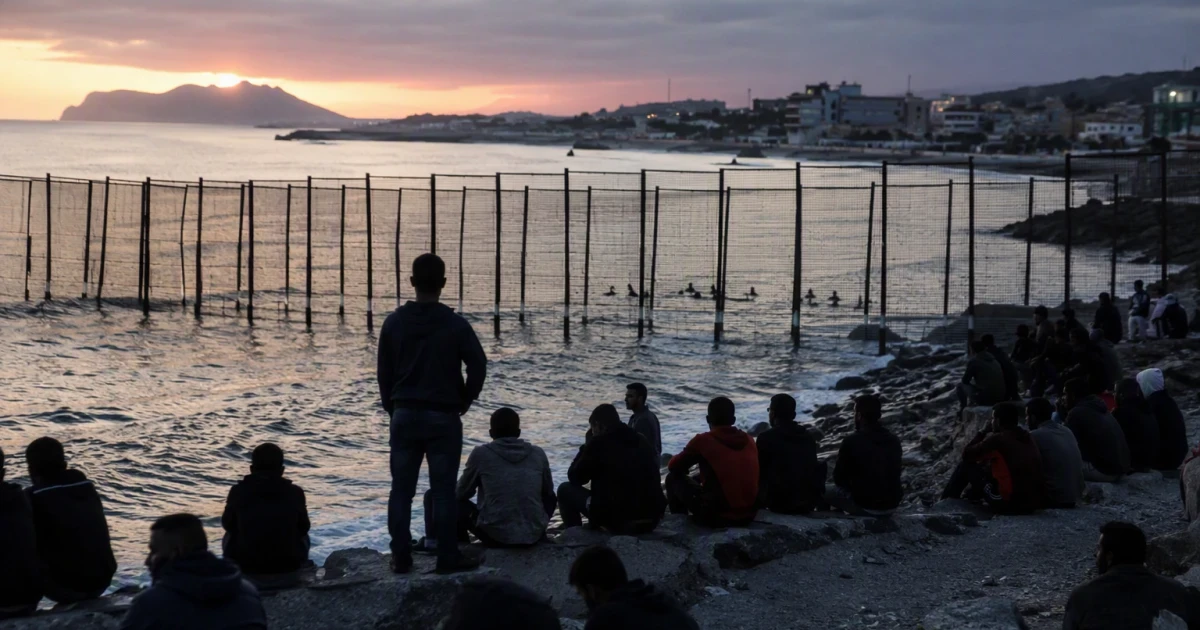
Anti-immigration campaigners were set to rally in Ceuta after thousands of migrants crossed from Morocco into the Spanish enclave in a mass breach that overwhelmed local authorities and sent Spain’s military into the territory.
The crossings began on Thursday, July 30, as people entered Ceuta by land and sea from Morocco’s Mediterranean coast. Spanish authorities first estimated about 49,000 arrivals in roughly 24 hours, while later tallies pushed the figure to about 50,000 and as high as 60,000. Images from Tarajal beach and the nearby migrant reception center, CETI, showed police cordons, exhausted arrivals and crowds waiting to be processed.
At least 57 people died in the attempt, with bodies recovered on the Spanish side of the border. By Friday, July 31, Spain said most of the migrants who had entered had returned voluntarily to Morocco, and later reporting said tens of thousands had gone back across the border. The speed of the reversal showed the logistical strain on Ceuta, a tiny Spanish enclave in North Africa on Morocco’s Mediterranean coast, where local services had to cope with a sudden surge and then the equally rapid return flow.
Madrid moved quickly to reinforce the enclave, deploying military personnel as the rush unfolded. Spain’s foreign minister said “the integrity of the Schengen area is absolutely guaranteed” as the government tried to calm partners alarmed by the breach. The legal pressure points were already familiar: earlier in July, Spain’s Supreme Court ruled on migrants stopped at sea while trying to reach Ceuta or Melilla, adding fresh scrutiny to border procedures that have long drawn challenges over access, returns and push-backs. AIDA’s Spain country report, last updated on May 7, 2026, has also tracked those border-access and return practices.
The political fallout extended far beyond the enclave. The crisis sharpened backlash against Pedro Sánchez’s pro-immigration government and gave far-right figures a new rallying point. Donald Trump and other anti-immigration leaders seized on the images from Ceuta to press their message, turning a border emergency into a wider fight over Europe’s migration politics. By Saturday, the enclave was close to normal again, but the argument over who controls Europe’s frontiers had already moved well beyond Spain.
Sources
- [1]nytimes.com
- [2]reuters.com
- [3]bbc.com
- [4]cnn.com
- [5]france24.com
- [6]asylumineurope.org
- [7]aljazeera.com
- [8]pbs.org