World
Ceuta reels after mass border surge as most migrants leave
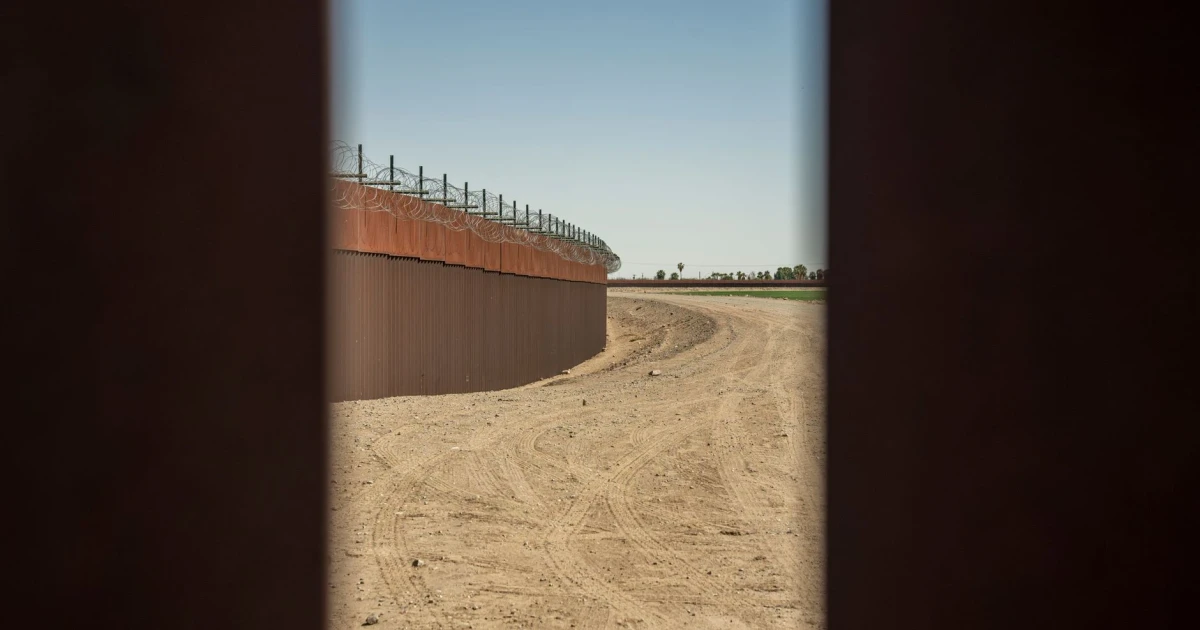
Ceuta was still dealing with the fallout after roughly 60,000 people crossed from Morocco into the Spanish enclave, even as Spanish officials said most had returned within a day. The surge turned a small strip of North Africa that sits inside Spain’s European Union and Schengen border into the center of a debate over what happens after a mass crossing ends.
The immediate pressure fell on police, civil authorities and local shelters in Ceuta, where Juan Jesús Vivas said the influx was overwhelming resources and pressed Madrid to intervene. Spain sent military units to support police in the enclave, while Interior Minister Fernando Grande-Marlaska was expected to visit as the government tried to steady a border that had suddenly become unmanageable.
The rush also revived an old vulnerability. In May 2021, more than 8,000 migrants entered Ceuta in two days after Morocco relaxed border controls, and Spain sped up expulsions once that tide ebbed. That earlier crisis showed how quickly the enclave can be saturated, but it also exposed the harder problem that follows: once people move on, local services are left to absorb the human, legal and logistical residue.
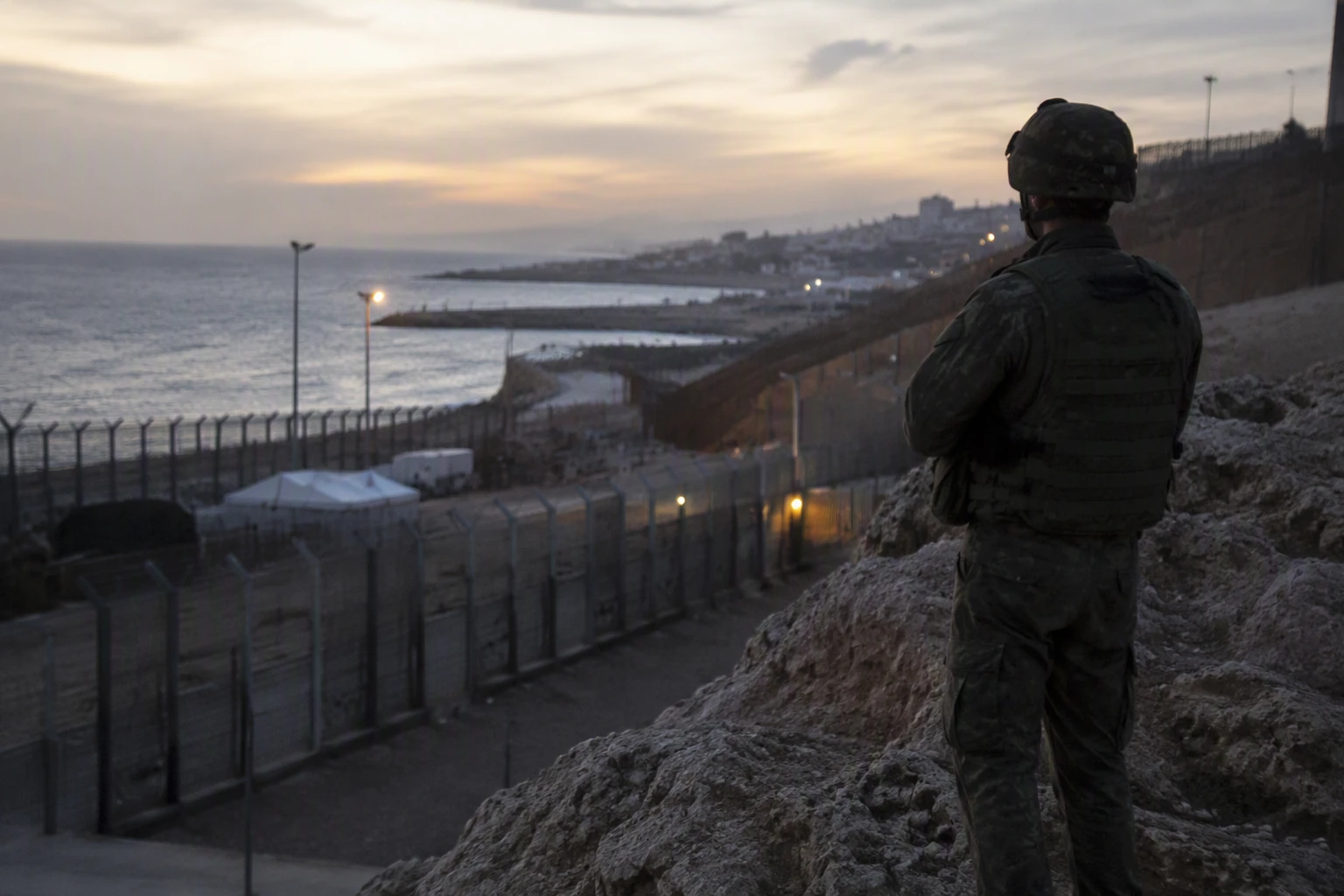
This time, the movement was fueled by social media rumours and economic hardship, while Morocco deployed security forces after the crossings. Migrants said hunger and hostility pushed them back toward Morocco after entering Ceuta, underscoring that the surge was not only a border security episode but also a regional humanitarian emergency shaped by poverty, misinformation and fear.
The diplomatic strain spread beyond Spain and Morocco. Spain accused some European Union governments of responding in a selfish and polarising way, and 22 EU member states later called for stronger external borders. For Ceuta, the surge left a familiar pattern: intense international attention at the moment of crossing, then a policy vacuum once the crowds thin, the migrants leave and the enclave is left to manage the aftermath.
Sources
- [1]news.google.com
- [2]reuters.com
- [3]bbc.com
- [4]aljazeera.com
- [5]nbcnews.com