Business
CFM wins approval for Boeing 737 MAX engine durability upgrade

CFM International won U.S. and European approval for a durability upgrade to its LEAP-1B engine on Boeing 737 MAX jets, clearing a hurdle that matters less for engineering novelty than for airline reliability, repair bills and fleet use. The GE Aerospace-Safran joint venture supplies engines across a large share of the narrow-body market, so even a modest gain in engine life can ripple through schedules, leasing plans and carrier margins.
The approval was announced from Farnborough, England, and GE Aerospace Chief Executive Larry Culp said on July 16 that CFM had certification for the Leap-1B durability kit and would spend the second half of the year working through industrialization. CFM says the package includes an updated high-pressure turbine system and a new reverse bleed system, changes that will address 80% of the Leap-1B’s durability issues. For airlines, that translates into fewer unplanned removals, fewer time-consuming shop visits and less pressure to juggle aircraft when an engine is pulled early.
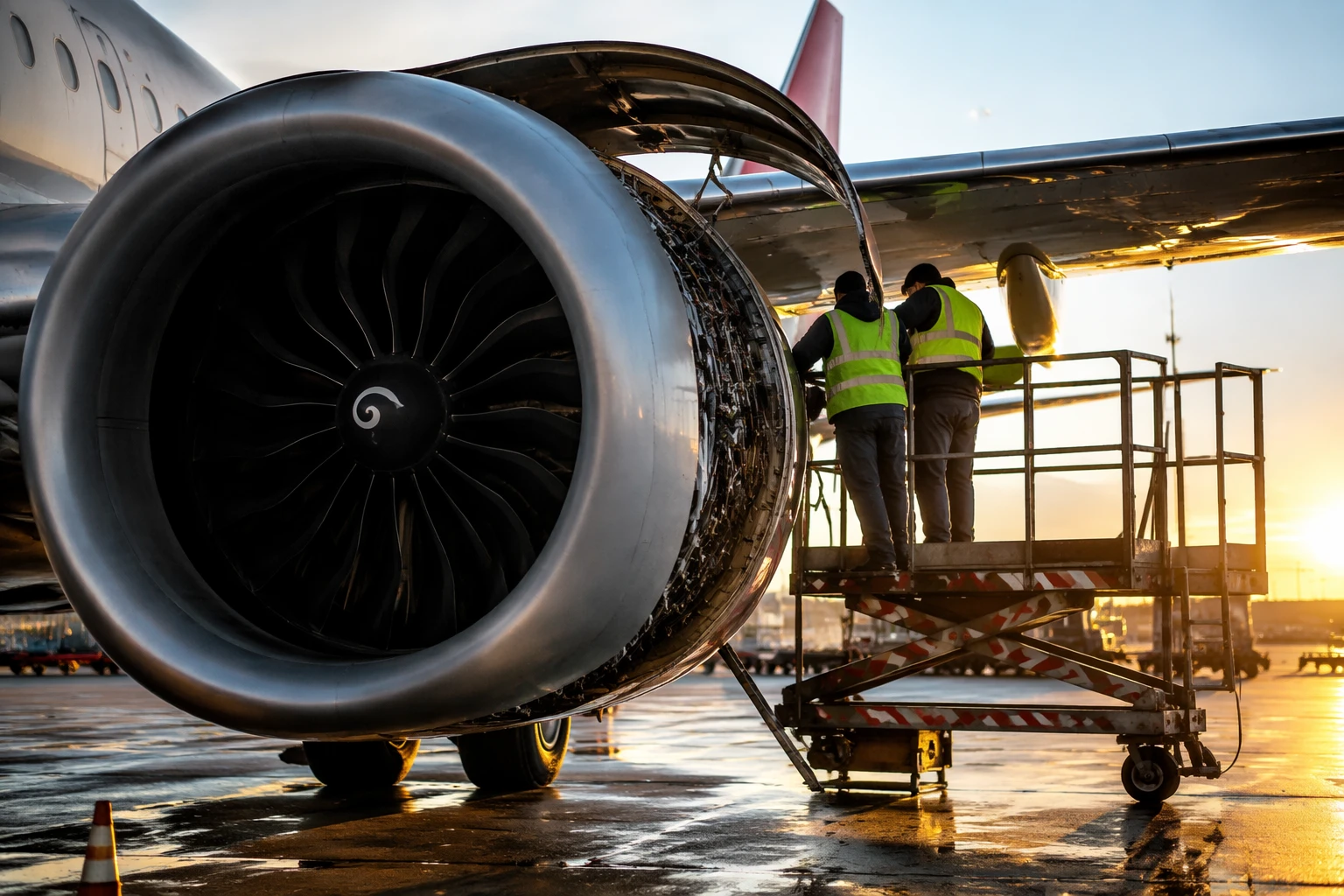
That matters because the economics of a narrow-body fleet are built on utilization. Every extra day an engine stays on wing can reduce maintenance disruption, lower spare-aircraft needs and make route schedules easier to defend when demand is heavy. The first beneficiaries are likely to be airlines, which absorb the direct cost of downtime and repairs. Lessors also stand to gain if aircraft remain productive for longer, while passengers may eventually see fewer cancellations and less schedule fragility if carriers spend less time managing engine shortages and maintenance bottlenecks.
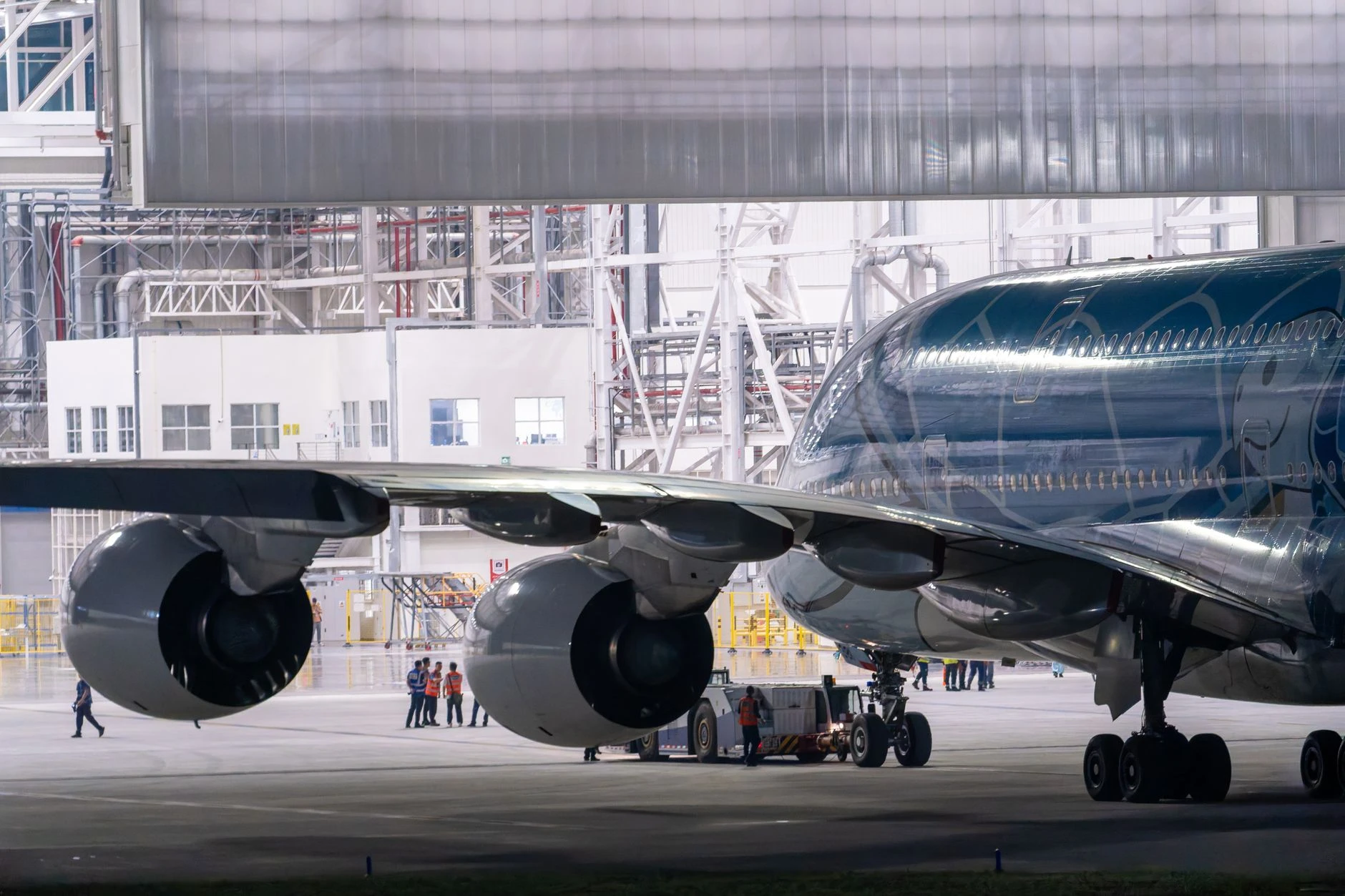
The move also fits a wider push inside CFM to improve repair speed and durability across the LEAP family. CFM is investing $2 billion over five years to speed repairs, underscoring how central turnaround time has become to its strategy. The company also won regulatory certification for LEAP-1A durability fixes on Dec. 7, 2024, showing that the effort is not limited to the 737 MAX engine alone. Because CFM powerplants also serve Airbus A320neo aircraft and other single-aisle jets, durability gains can affect a broad slice of the global fleet, from maintenance planning to long-term operating costs.
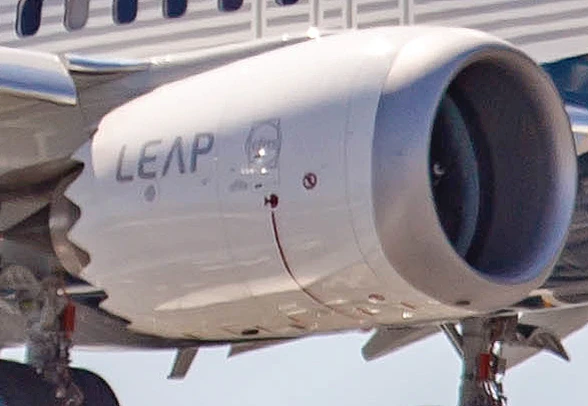
For airlines and investors, those details matter because they shape the economics of flying more than a new paint scheme or cabin refresh ever could. A more durable engine does not eliminate supply-chain pressure, but it can soften the strain by keeping aircraft in service longer and reducing the number of engines that need to cycle through repair shops at once.
Sources
- [1]reuters.com
- [2]aviationweek.com
- [3]flightglobal.com
- [4]safran-group.com
- [5]wmbdradio.com