Politics
CFTC moves to write rules for controversial prediction markets
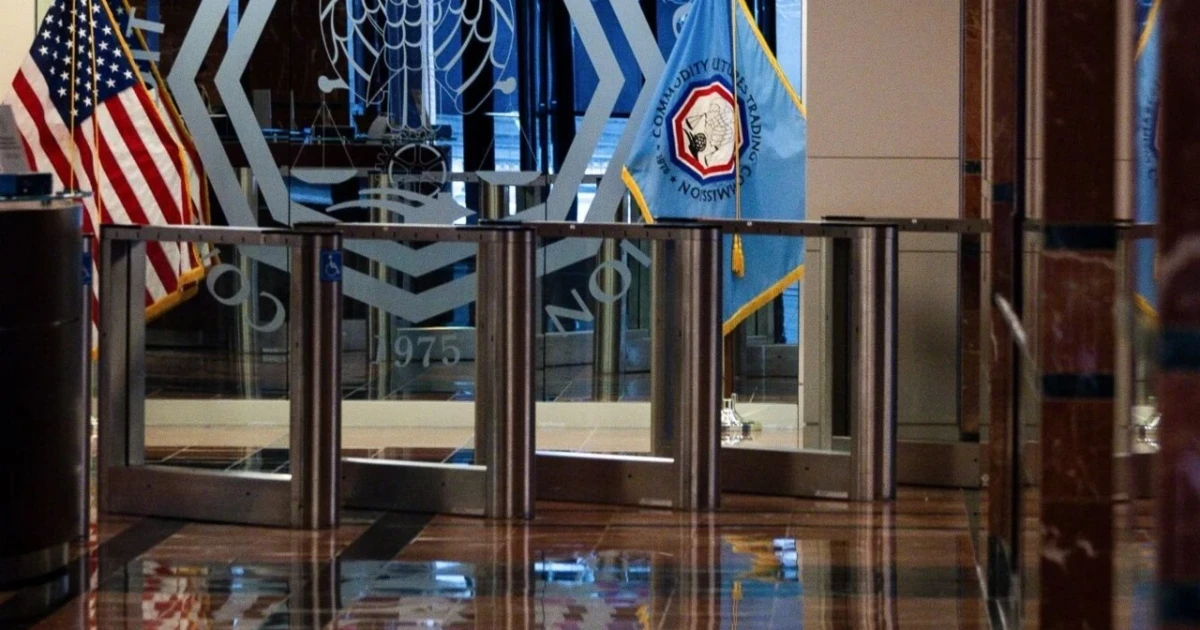
Regulators tried to draw a line between financial innovation and socially toxic gambling, and terrorism and assassination contracts became the clearest red examples. On June 10, the Commodity Futures Trading Commission took its first formal step toward writing rules for prediction markets, a fast-growing corner of finance that lets traders bet on yes-or-no outcomes tied to real-world events.
The proposal focused on event contracts tied to terrorism, assassinations, war, gaming and other conduct that may be illegal under federal or state law. But the commission stopped short of banning every controversial market outright, leaving sports-related and election-related contracts outside a categorical ban and preserving the fight over where finance ends and gambling begins. Michael S. Selig said the agency would “protect the integrity of our regulated markets without standing in the way of responsible innovation.”
That balance has become harder to strike as prediction markets have expanded quickly over the past year, drawing retail traders, institutional interest and criticism from state regulators and lawmakers. A Federal Reserve paper published February 12 described Kalshi as the largest federally regulated prediction market overseen by the CFTC, underscoring how central the platform has become to the industry’s public profile. The agency said its new framework remained thin and signaled that more rulemaking could follow, a sign that Washington is still defining the market rather than closing the book on it.
The June 10 action followed an Advance Notice of Proposed Rulemaking issued March 16, with comments due April 30, that sought public input on event contracts, prohibited categories and cost-benefit questions. It also landed against a sharp legal backdrop. In April, the CFTC sued Arizona, Connecticut and Illinois over state actions affecting CFTC-registered prediction markets. On May 19, it sued Minnesota after Governor Tim Walz signed a law on May 18 making operating or assisting in a prediction market a felony, and the commission said it was trying to stop the law from taking effect on August 1.

Enforcement pressure has only sharpened the stakes. On February 25, the CFTC issued an advisory after two cases involving misuse of nonpublic information and fraud in prediction markets, and on April 23 it charged U.S. service member Gannon Ken Van Dyke in a case involving Nicolás Maduro-related event contracts. A coalition of civil society organizations responded with comments arguing the agency lacked jurisdiction and warning of harms to consumers, businesses, the financial system and democracy.
For Kalshi, Polymarket and the wider event-contract industry, the rulemaking is more than a technical exercise. It is a test of who gets to decide which real-world events can be turned into tradable markets, and whether those markets will be treated as tools for price discovery, as gambling, or as something that now needs a much tighter public-interest boundary.
Sources
- [1]cnbc.com
- [2]cftc.gov
- [3]comments.cftc.gov
- [4]federalreserve.gov