World
Chad says it will leave the International Criminal Court
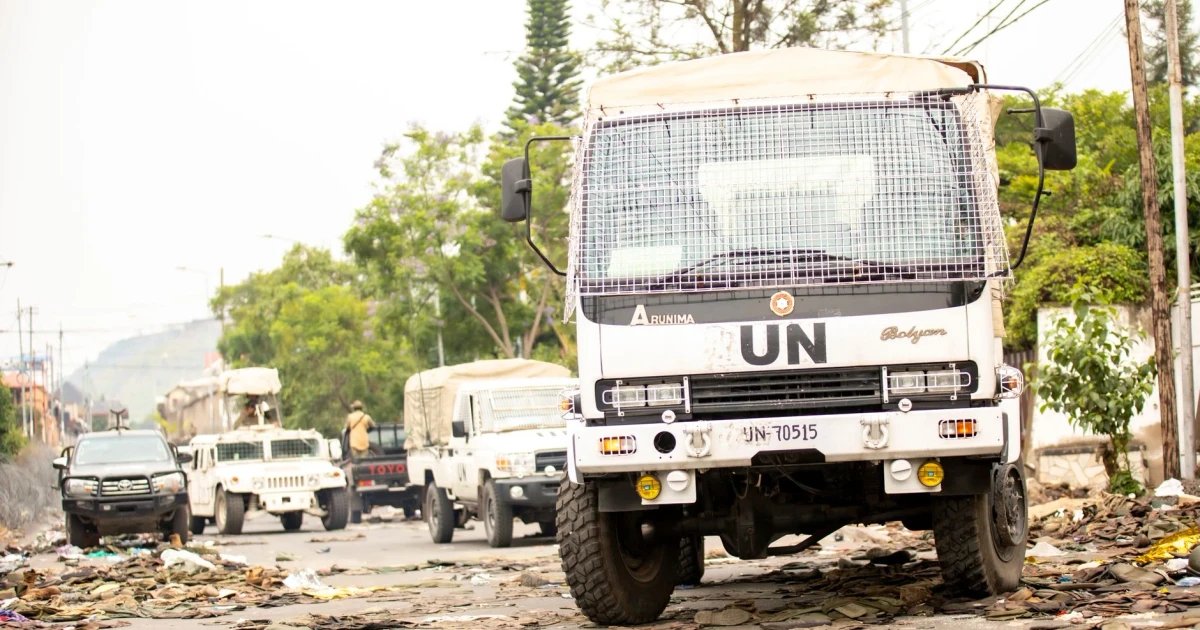
Chad said it had formally notified United Nations Secretary-General Antonio Guterres that it planned to withdraw from the International Criminal Court, a move that drew immediate praise from the United States and reopened arguments over sovereignty and accountability in Africa. N’Djamena said the court was ineffective and biased against African countries.
The exit was not immediate. Under the Rome Statute, withdrawal takes at least one year before it becomes effective, so Chad’s announcement began a legal and political process rather than ending the country’s ties to The Hague overnight. The ICC was created to prosecute genocide, crimes against humanity, war crimes and aggression when national courts cannot or will not act, which made the decision more than a technical dispute over paperwork.
Washington’s response sharpened the stakes. The United States welcomed Chad’s decision, and some accounts said U.S. officials urged more countries to leave the ICC. That backing sat uneasily beside the court’s central role in international justice and the broader expectation that Western governments would defend accountability in cases of mass violence, even when they support sovereignty in principle.
Chad became the fourth African country since 2025 to begin the withdrawal process, after Mali, Niger and Burkina Faso. The broader moment has also come as the ICC has faced pressure over leadership and the political climate around the court. The timing mattered in the Sahel, where violent extremism and conflict have made investigations, arrests and prosecutions difficult and left victims heavily dependent on outside legal pressure when domestic systems cannot cope.

The ICC’s own records show that withdrawals from the Rome Statute have been rare but not unprecedented. The Philippines’ departure became effective on 17 March 2019, and Hungary’s withdrawal took effect on 2 June 2026 after it announced its exit in April 2025. Chad’s move therefore fit a pattern of governments testing how far they can push back against the court while claiming sovereignty, even as the practical effect for victims depends on whether national courts can take up cases that The Hague would otherwise pursue.
Sources
- [1]apnews.com
- [2]abcnews.com
- [3]timesofisrael.com
- [4]aljazeera.com
- [5]france24.com
- [6]dw.com
- [7]asp.icc-cpi.int
- [8]cfr.org
- [9]reuters.com